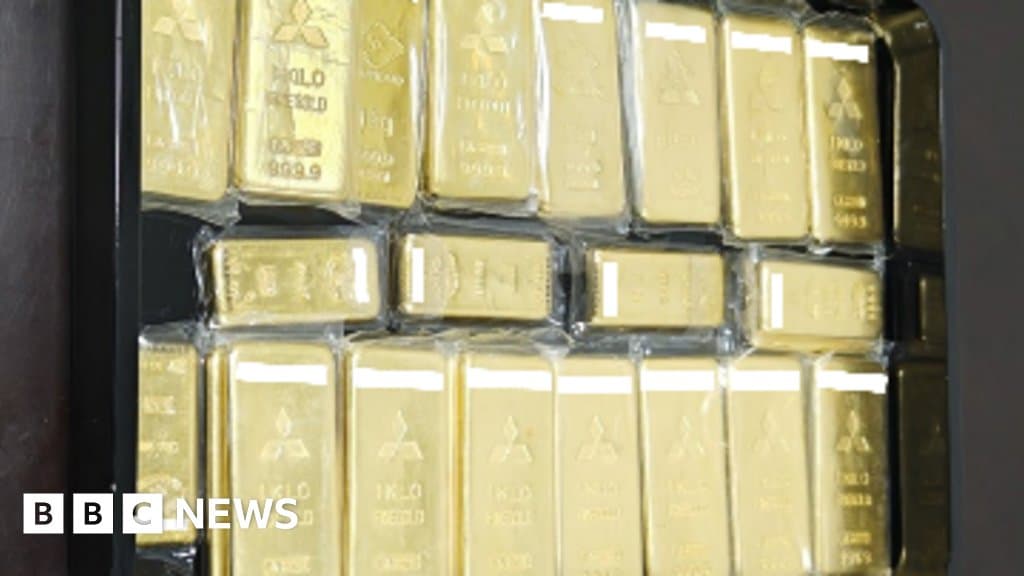
An anonymous donor has gifted Osaka's water authority 21kg of gold bullion worth $3.6 million to help repair the city's deteriorating water pipelines amid Japan's nationwide infrastructure crisis.
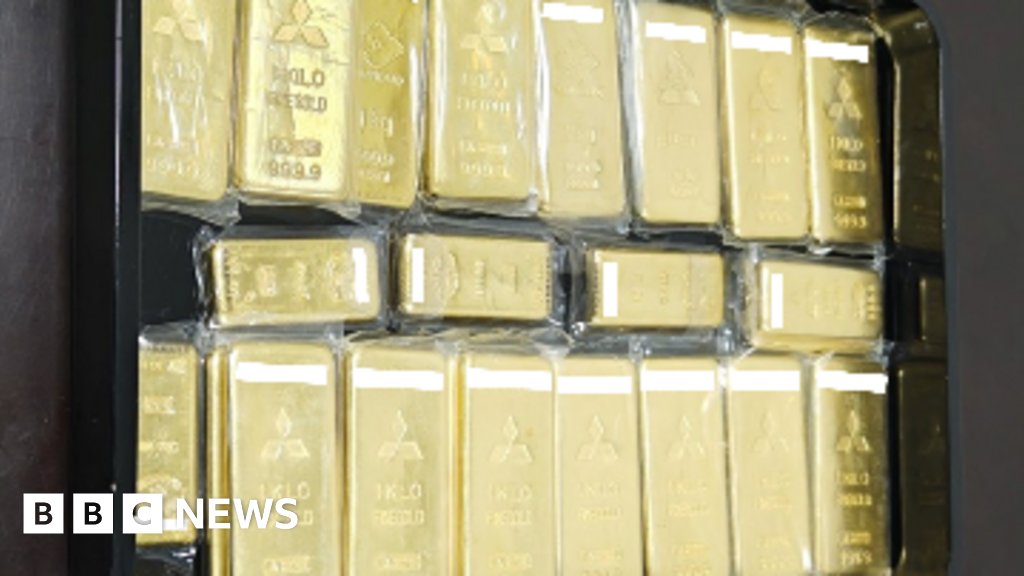
Osaka City Waterworks Bureau received an extraordinary donation last November: 21kg of gold bullion valued at approximately 560 million yen ($3.6 million). The anonymous gift, revealed by Mayor Hideyuki Yokoyama during a press conference, represents one of Japan's most unusual municipal donations aimed at addressing critical infrastructure needs.
Osaka authorities received 21kg of gold bullion from a mystery donor
This substantial contribution arrives as Osaka grapples with accelerating deterioration of its water systems. As Japan's third-largest city with nearly 3 million residents, Osaka faces over 90 water pipe leaks annually according to fiscal year 2024 data. Like many Japanese urban centers, more than 20% of its pipelines have exceeded their 40-year operational lifespan, creating mounting safety hazards.
The gold donation follows a pattern of anonymous giving to municipal waterworks, with the same donor previously contributing 500,000 yen ($3,200) in cash. "Tackling ageing water pipes requires huge investment. I have nothing but appreciation," Mayor Yokoyama stated, calling the gold's value "staggering." The water bureau confirmed funds will specifically address pipe deterioration through replacement projects.
Japan's infrastructure crisis extends beyond Osaka. Nationwide, aging sewage systems have caused increasingly frequent sinkholes, including a 2023 incident in Saitama Prefecture where a ruptured pipe created a sinkhole that swallowed a truck and killed its driver. While authorities have accelerated pipe renewal initiatives, budget constraints have hampered progress. Municipalities typically rely on tax revenue for such projects, making private donations exceptionally impactful.
This unconventional funding mechanism highlights the severity of Japan's hidden infrastructure emergency. With water pipes often buried beneath roadways, failures manifest as sudden road collapses or service disruptions rather than visible decay. Osaka's gold windfall provides immediate relief but underscores a systemic challenge: Japan requires an estimated $100 billion to replace all pipes beyond their service life according to infrastructure analysts.
The water bureau hasn't disclosed security protocols for storing the bullion but confirmed its conversion to liquid funds will follow standard municipal procurement processes. While anonymous donations of this scale remain rare in Japanese public works, it signals growing civic recognition that solving infrastructure decay demands creative funding solutions beyond government budgets alone.
Comments
Please log in or register to join the discussion