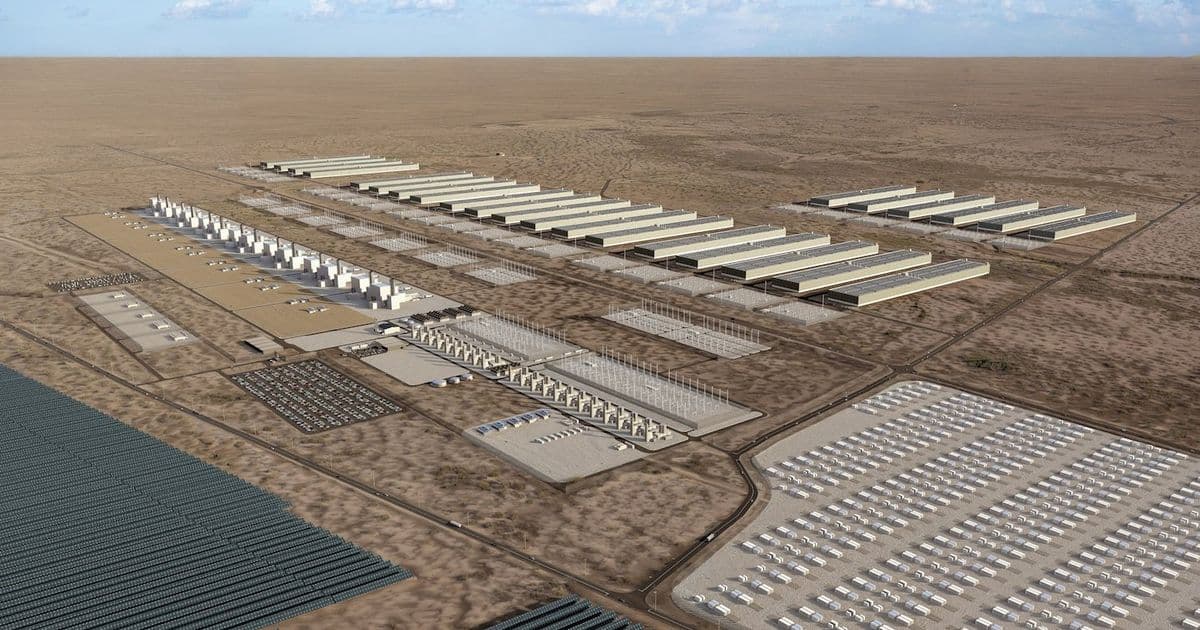
Major technology companies are constructing dedicated power plants to bypass grid limitations for their data centers, but experts warn this approach introduces significant reliability risks and could substantially increase carbon emissions.
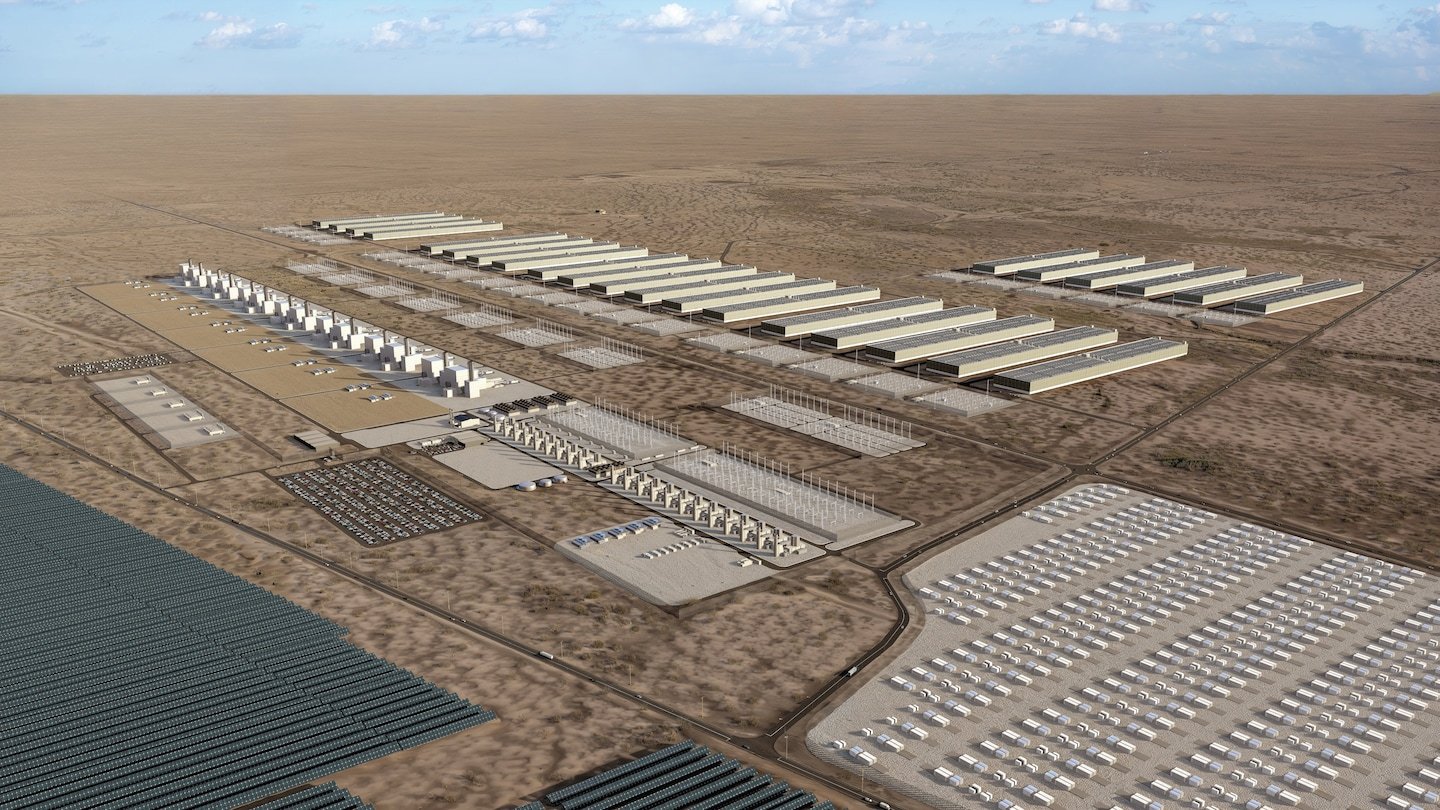
Technology companies including Amazon, Google, and Microsoft are increasingly constructing private power plants to fuel their data centers, circumventing traditional energy grids entirely. This emerging strategy aims to address the massive electricity demands of AI computation and cloud infrastructure that overwhelm conventional power networks. However, energy experts warn these off-grid solutions introduce substantial reliability challenges and environmental risks that could undermine their operational benefits.
The motivation stems from intensifying computational requirements: modern AI training runs consume megawatts of electricity, while cloud providers require uninterrupted power for server farms. By building dedicated natural gas plants or small-scale nuclear reactors near data centers, companies gain control over their energy supply. Microsoft recently secured approval for a 1.8-gigawatt natural gas plant in Washington state to power its AI data centers, while Amazon has filed permits for similar facilities in Virginia.
Despite solving immediate capacity issues, these private plants face critical vulnerabilities:
- Single-point failures: Unlike grid-connected facilities that draw from diverse sources, private plants lack redundancy. Equipment malfunction or fuel supply disruption can cause complete data center outages
- Emissions intensification: Most private plants rely on fossil fuels, increasing carbon footprints precisely when tech companies pledge climate neutrality. Microsoft's Washington plant alone would emit 6.7 million tons of CO2 annually
- Weather vulnerability: Off-grid facilities lack the hardened infrastructure of utility grids, making them more susceptible to extreme weather events
"These are essentially energy islands," explained Dr. Sarah Jensen, power systems researcher at MIT. "While solving grid constraints, they sacrifice the robustness of interconnected systems. One transformer failure could take an entire AI cluster offline for days."
The approach also complicates emissions accounting. Tech firms justify private plants by purchasing renewable energy credits, but experts note these don't offset the actual carbon output from fossil-fueled facilities operating 24/7. A recent Stanford study found off-grid data centers emit 34% more lifecycle emissions than grid-connected counterparts when accounting for transmission loss differences.
As AI's energy demands grow exponentially—projected to double U.S. data center electricity consumption by 2030—this trend represents a fundamental shift in how tech companies approach infrastructure. While solving immediate scalability challenges, the private power plant strategy introduces new operational risks and environmental consequences that remain largely unaddressed in corporate sustainability pledges. The coming years will test whether these self-contained energy ecosystems can deliver reliable computing power without compromising climate commitments.
Comments
Please log in or register to join the discussion