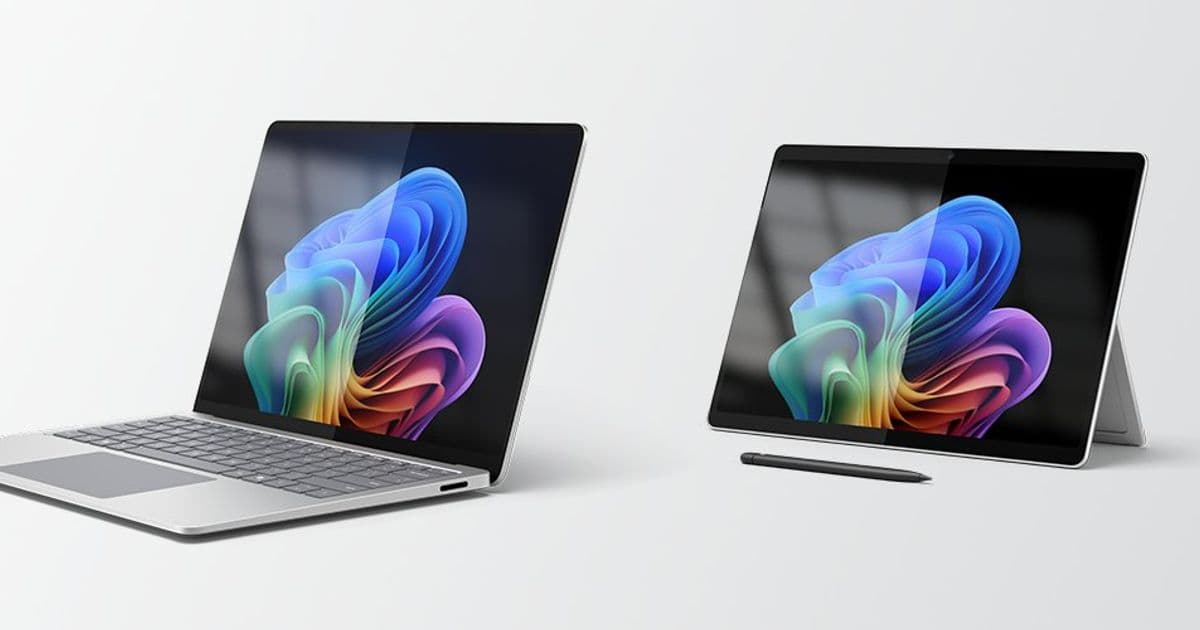
Microsoft's deep hardware-software integration in Surface displays delivers unprecedented visual consistency through factory calibration, environmental adaptation, and ecosystem-wide innovations.
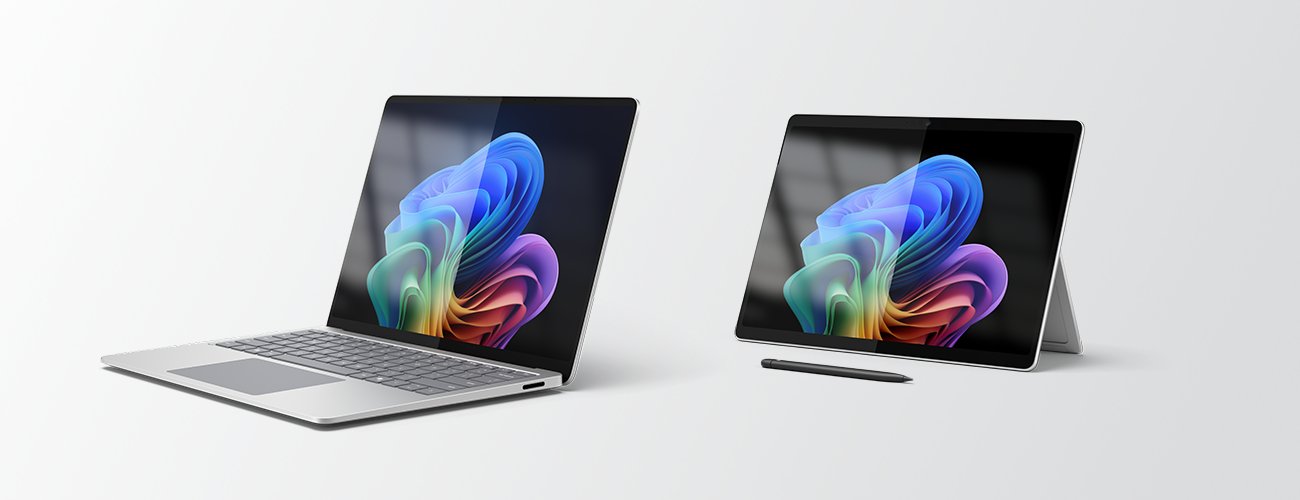
Microsoft's Surface engineering team has fundamentally redefined display performance for business devices through tightly integrated hardware-software solutions. Unlike conventional displays where color and brightness vary between units, each Surface panel undergoes individual factory calibration against precise colorimetric targets. This process measures and corrects deviations in white point, gamma, and luminance at the component level, storing calibration data directly in the panel's firmware. The result? A spreadsheet viewed in Tokyo renders identically to one in New York, critical for design workflows and cross-team collaboration.
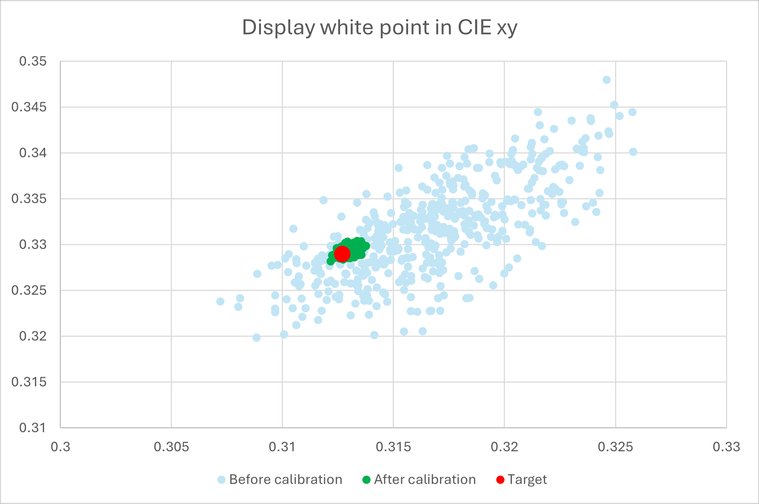 Figure 1: White point distribution before/after calibration shows dramatic consistency improvement
Beyond manufacturing consistency, Surface displays dynamically adapt to environmental conditions through three synchronized systems:
- Adaptive Color shifts white balance to match ambient light temperature
- Adaptive Brightness adjusts luminance based on ambient intensity
- Adaptive Contrast optimizes grayscale differentiation
These systems use ambient light sensors combined with Windows algorithms to make imperceptible adjustments as users move between environments. Unlike static displays that require manual tuning, the integrated sensor-to-pipeline architecture maintains color accuracy whether working under fluorescent office lights or café window glare.
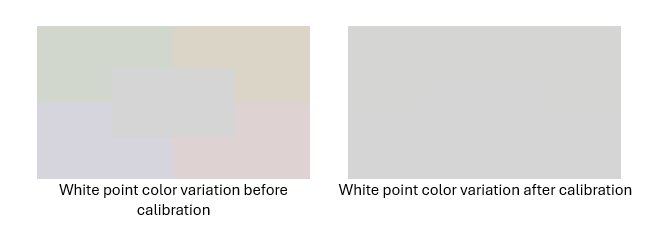 Figure 4: Adaptive Color (left) vs fixed white point (right) in different lighting environments
Content awareness represents another strategic advantage. Auto Color Management (ACM) automatically detects content type—spreadsheets, videos, or design files—and applies appropriate color rendering. ACM leverages 10-bit color depth for smoother gradients and works with High Dynamic Range (HDR) to expand luminance range beyond traditional video applications. This eliminates manual profile switching while ensuring brand colors remain accurate across marketing materials.
Power efficiency gets equal consideration. Dynamic Refresh Rate scales from 120Hz for inking/scrolling down to energy-saving rates for static content. Combined with anti-reflective coatings (technical details), this maintains readability in bright conditions without battery penalty.
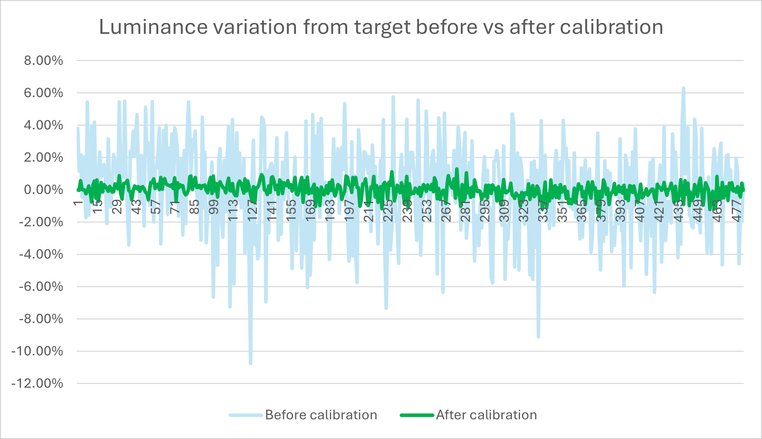 Figure 6: Motion blur reduction through adaptive refresh rates
Business continuity extends to device lifecycle management. When displays require replacement, the embedded calibration profile ensures repaired units match original color performance—no manual recalibration needed. This hardware-level consistency directly supports enterprise IT strategies by reducing support tickets and maintaining workforce productivity.
Notably, Surface often serves as the reference platform for Windows display innovations. Features like Dolby Vision IQ integration and ACM frequently debut on Surface before expanding to partner devices. Microsoft's display collaboration framework enables OEMs to adopt these technologies, raising the entire ecosystem's visual standard.
For businesses evaluating device strategies, Surface displays demonstrate how deep hardware-software integration solves core productivity challenges: reducing environmental variability, eliminating manual adjustments, and ensuring long-term consistency. The engineering goal—making technology 'beautifully invisible'—translates directly to fewer workflow interruptions and more reliable visual collaboration. Explore technical implementation details in Microsoft's display measurement guide.
Comments
Please log in or register to join the discussion