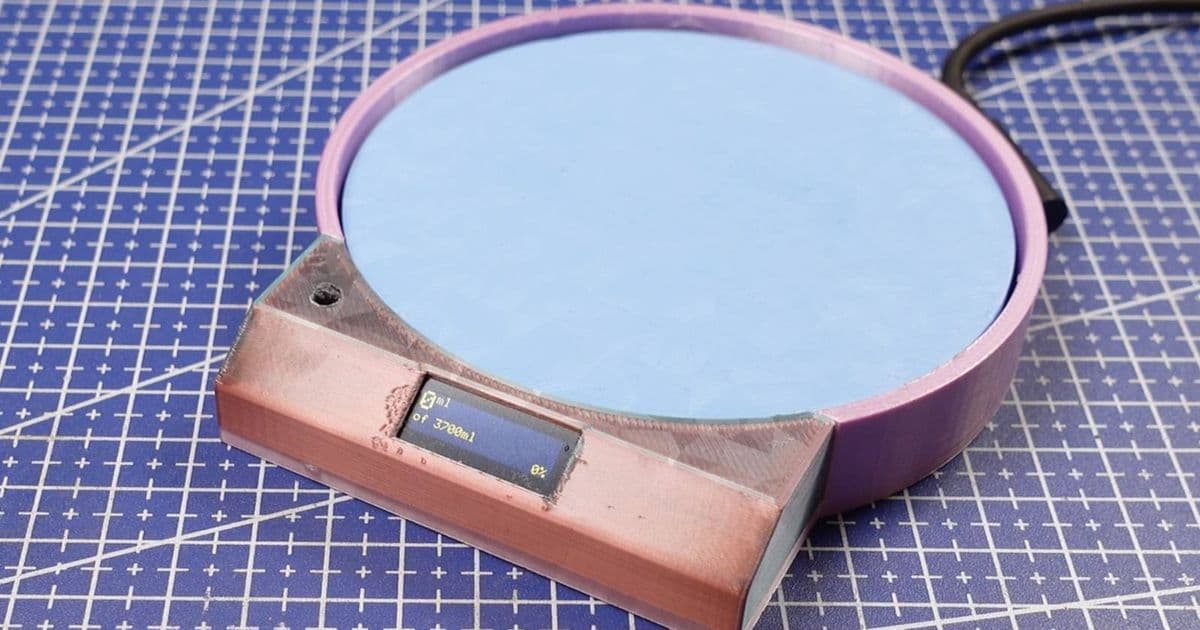
A maker has created an ESP32-powered smart coaster that monitors hydration habits using weight sensors and delivers escalating reminders when users neglect their water intake.
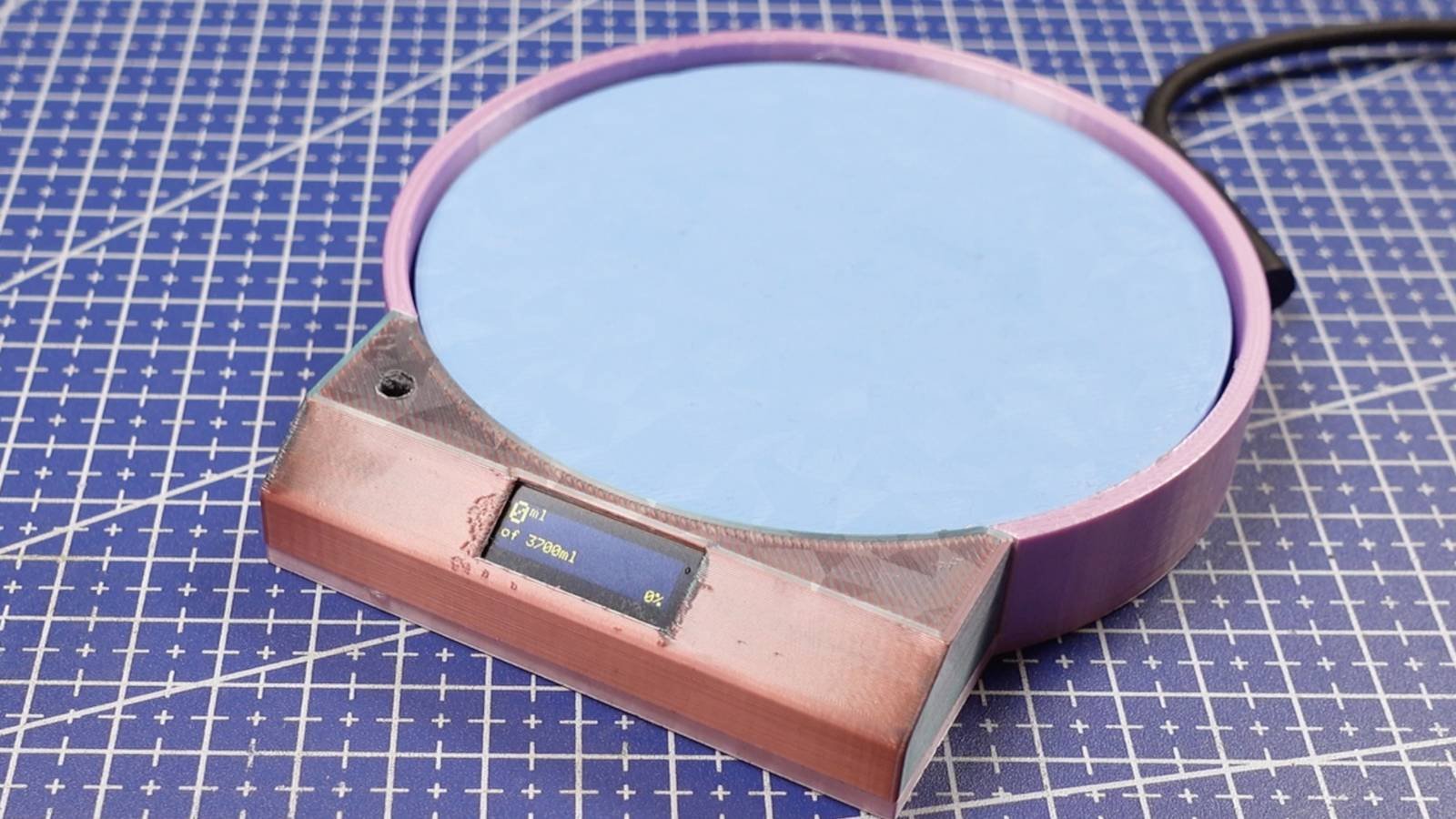
Staying hydrated is essential for health, but remembering to drink water can be challenging during busy workdays. An inventive maker has addressed this problem by creating a smart coaster powered by an ESP32 microcontroller that actively monitors your hydration habits – and escalates its reminders if you ignore its prompts.
The coaster prototype uses precision load sensors beneath its surface to detect the weight of a water-filled glass. When the glass remains stationary for over 30 minutes, the ESP32 triggers an initial reminder: gentle LED pulses around the coaster's perimeter. If ignored for another 15 minutes, the device connects via Wi-Fi to send a push notification to your phone. After 60 minutes of inactivity? The coaster enters 'or else' mode – activating a built-in buzzer with persistent beeps that only stop when you lift the glass.
Hardware specifications reveal a thoughtfully designed system. At its core sits an ESP32-WROOM module handling both sensor processing and wireless communication. The dual-core Xtensa processor runs at 240MHz, providing ample power for real-time weight monitoring via HX711 load cell amplifiers. A ring of 12 addressable RGB LEDs provides visual feedback, while a 1000mAh lithium battery enables cordless operation for up to five days between charges. The entire system is housed in a 3D-printed enclosure measuring 10cm across.
Programming leverages Arduino Core for ESP32, with libraries for ESPAsyncWebServer enabling HTTP-based notifications. The code implements multiple operational modes:
- Calibration mode: Sets baseline weight when the coaster is empty
- Monitoring mode: Tracks glass placement duration
- Alert escalation: Progresses from lights to phone notifications to audible alarms
Users can configure thresholds through a simple web interface hosted directly on the ESP32. For those concerned about ecosystem lock-in, the project avoids proprietary platforms. Notifications use standard HTTP POST requests, compatible with any device running apps like Tasker (Android) or Shortcuts (iOS). All code runs locally without cloud dependencies, preserving privacy.
Sponsored
This approach demonstrates how accessible microcontroller platforms enable practical health solutions. Unlike commercial smart bottles requiring proprietary apps and subscriptions, this open design offers customization without vendor constraints. Potential enhancements include integration with smart home systems via MQTT or adding capacitive sensing to detect glass removal regardless of weight changes.
The project exemplifies the ESP32's versatility in bridging physical interactions with digital ecosystems. As hydration trackers evolve beyond wrist-worn devices, such context-aware peripherals could become valuable complements to our existing tech environments – especially when they're built on hackable, user-controlled foundations.
Comments
Please log in or register to join the discussion