
A fundamental industry shift toward enterprise AI infrastructure is creating permanent shortages and price surges in consumer hardware, threatening technological sovereignty and forcing a reevaluation of device ownership.

For two decades, consumers enjoyed a technological golden age where hardware became simultaneously more powerful and less expensive. Memory prices steadily declined, storage capacities expanded exponentially, and upgrades felt almost trivial. This era has conclusively ended. What emerges now represents not a temporary market fluctuation but a structural realignment with profound implications: manufacturers are systematically deprioritizing consumer hardware to chase the insatiable demands of AI data centers and hyperscalers. The consequences—soaring prices, vanishing inventory, and deliberately constrained supply—signal that owning capable computing devices may soon transition from commonplace to privileged.
The RAM-pocalypse as Harbinger

The term 'RAM-pocalypse' entered tech vernacular as memory prices began their relentless climb, initially dismissed as another cyclical shortage. Reality proved more severe. Major suppliers now openly forecast sustained price increases through at least 2028, fueled by unprecedented demand from AI infrastructure. Micron's recent exit from the consumer market—leaving only Samsung and SK Hynix controlling mainstream DRAM and NAND supply—created a duopoly with little incentive to prioritize cost-sensitive buyers. This consolidation matters profoundly: when OpenAI's Stargate project reportedly consumes 40% of global DRAM wafer output monthly, and hyperscalers collectively secure 70% of projected 2026 memory production, consumer allocation becomes an afterthought.
Cascading Collapse Across Hardware Categories
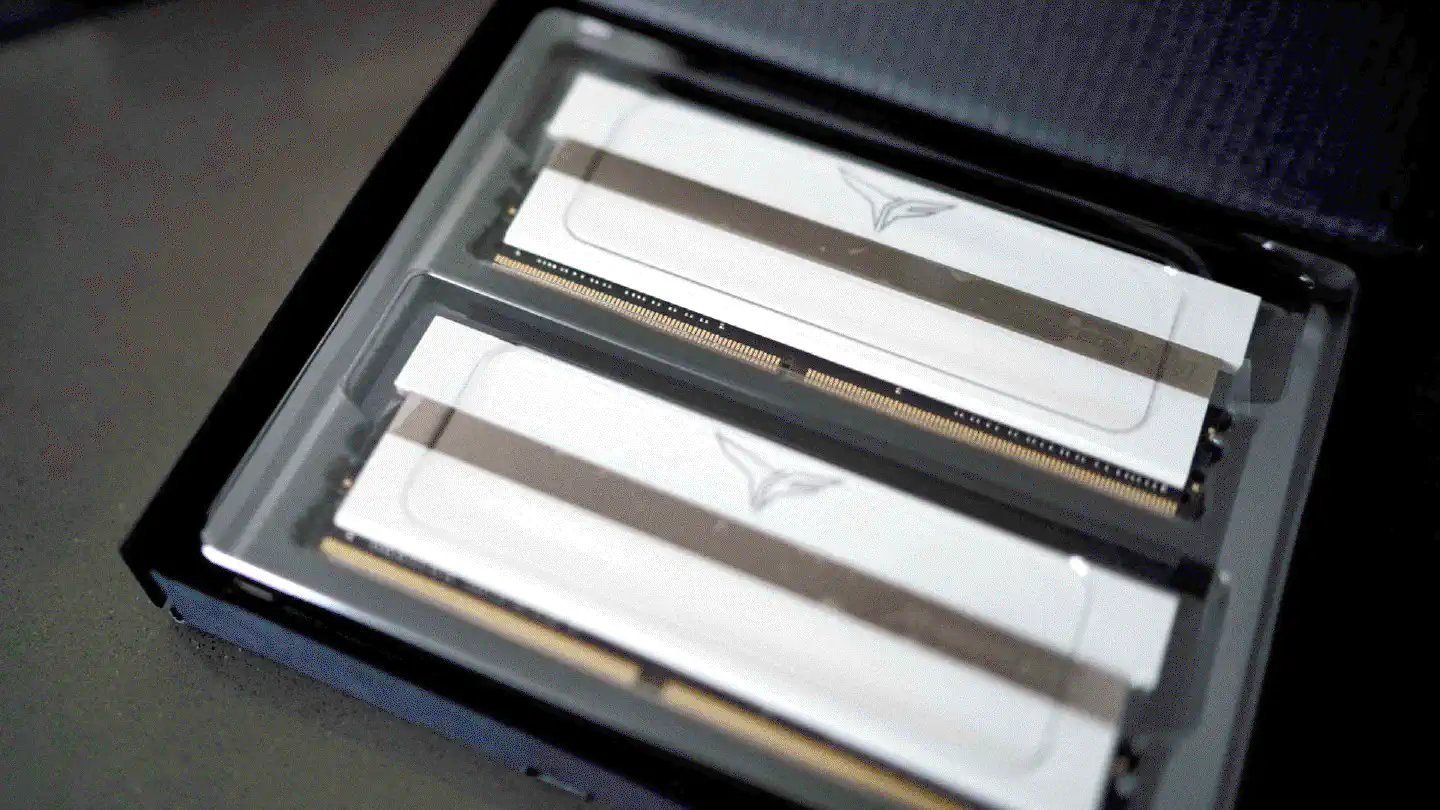
While memory shortages dominate headlines, identical pressures distort every hardware segment. Low-power DDR (LPDDR) chips—essential for laptops, smartphones, and handhelds like the Steam Deck—face acute scarcity as fabs reallocate capacity toward high-margin AI accelerators and server-grade components. The ripple effect manifests in multiple ways: manufacturers increase retail prices (HP, Lenovo, Dell signal 15-20% hikes), reduce base configurations, or solder components to prevent user upgrades. Crucially, supply concentration among few suppliers amplifies disruption impact; minor bottlenecks trigger disproportionate price spikes across entire product categories.
Sold-Out Realities and Consumer Abandonment

In January 2026, Western Digital confirmed its entire annual HDD production capacity was already sold out—nine months prematurely. Consumer revenue now constitutes just 5% of their sales, with enterprise and cloud clients claiming 89%. This isn't isolated: Kioxia's 2026 NAND production is fully allocated amid 'severe shortage' warnings extending to 2030. Phison's CEO cautions that factory prepayment demands for three-year commitments lock out smaller players, risking 'destruction' of consumer segments. The outcome? Valve battles intermittent Steam Deck OLED shortages, Sony considers PlayStation 6 delays to 2029, and Raspberry Pi Foundation hikes prices 70% in three months—pricing out its educational core audience.
Structural Shift, Not Cyclical Shortage
Analysts emphasize this crisis diverges fundamentally from past disruptions like crypto bubbles or pandemic shortages. IDC describes it as 'a potentially permanent, strategic reallocation of the world’s silicon wafer capacity.' Hyperscalers—not gamers or creators—now dominate manufacturer priorities. Their scale transforms economics: why negotiate retail margins when enterprise contracts guarantee billion-dollar, multi-year commitments? TrendForce forecasts Q1 2026 DRAM contract prices rising 90-95% quarterly. Jukan Choi notes DRAM capacity growth will crawl at 4.8% annually through 2030, concentrated on High Bandwidth Memory (HBM) for AI systems, not consumer needs.
The Specter of Rented Computation

This realignment converges with a disturbing trajectory: the erosion of hardware ownership. HP's laptop subscription service, launching amid affordability crises, exemplifies a model where users rent devices indefinitely without ownership. This foreshadows a potential future where local computation becomes rare, replaced by metered cloud access. Such a shift would eliminate digital sovereignty—the ability to operate offline, control software, or preserve privacy. Geopolitical precedents exist: U.S. export controls restricting NVIDIA GPU sales to China created a $1 billion gray market, proving hardware access can be politically revoked. When hardware becomes abstraction, autonomy evaporates.
Fragile Hope and Pragmatic Response
Chinese manufacturers CXMT and YMTC represent limited counterweights, aggressively expanding DRAM/NAND production to challenge the triopoly. CXMT plans a Shanghai fab triple its current size, while YMTC reaches 270-layer 3D NAND. However, U.S. restrictions limit their global impact—HP will only use CXMT chips outside America. For consumers, adaptation is urgent:
- Extend Hardware Lifespans: Maintain, repaste, and repair existing devices; they may need to last 8-10 years.
- Upgrade Strategically: Expand RAM/storage now as insurance against future unaffordability.
- Reject Disposability: Assume replacement costs will rise indefinitely; resist minor iterative upgrades.
- Prioritize Ownership: Avoid subscription hardware models that cede control.
The uncomfortable truth is clear: consumer hardware is no longer the industry's focus. What you own today may become irreplaceable tomorrow—not due to obsolescence, but by design. Preserving it isn't nostalgia; it's an act of technological preservation.
Image Credits: Featured image by author, RAM visual via NorthEscambia.com, Sold-out signage reference from Western Digital earnings report, Collateral damage scene from Office Space (1999)
Comments
Please log in or register to join the discussion