
Two ex-Google engineers and a third accomplice face federal charges for allegedly stealing proprietary Tensor processor designs central to Google's Pixel smartphones.
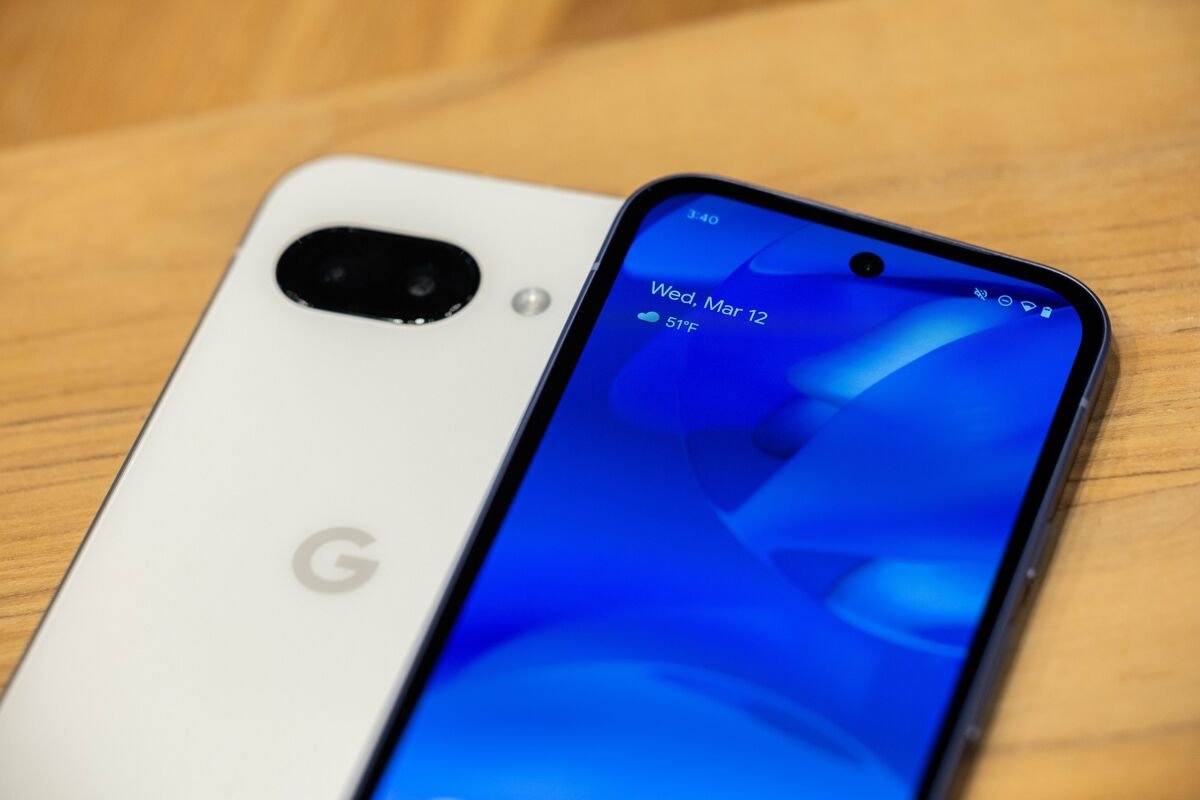
A federal grand jury has indicted two former Google engineers and one accomplice for allegedly stealing trade secrets related to Google's custom Tensor processors used in Pixel smartphones. The indictment, filed in California, alleges the trio transferred confidential chip architecture documents and design methodologies to personal devices before attempting to use the technology at undisclosed competitors.
The Tensor processors represent Google's most significant hardware investment, integrating specialized machine learning accelerators alongside CPU/GPU cores. Unlike off-the-shelf chips, Tensor enables on-device AI features like computational photography and real-time translation without cloud dependency. Court documents suggest the stolen materials included "circuit designs, power management specifications, and thermal profiles" critical to Tensor's performance-per-watt efficiency.
What distinguishes this case is the specificity of the allegations: Prosecutors claim the engineers exploited privileged access to Google's internal design repositories while actively negotiating employment with competitors developing similar mobile SoCs. One defendant allegedly transferred 2.7TB of data—including chip validation reports and testing protocols—to external storage days before resigning.
Google's Tensor chips have evolved through four generations since 2021, with each iteration increasing AI task throughput by 30-40% while maintaining power constraints. The Pixel 8's Tensor G3, for example, handles Gemini Nano models locally for features like call screening—capabilities competitors like Qualcomm only recently matched with Snapdragon 8 Gen 3.
The legal action arrives amid heightened scrutiny of semiconductor IP protection. Recent DOJ guidelines explicitly classify AI chip designs as "critical infrastructure," allowing harsher penalties under the Economic Espionage Act. Past cases involving Apple and Uber suggest convictions could yield 5-10 year sentences plus asset forfeiture.
For Google, the incident exposes vulnerabilities in hardware security protocols. Unlike software IP, which can be protected through access logs and watermarks, chip designs require physical validation—meaning stolen blueprints could accelerate competitors' development cycles by 12-18 months. The company has since implemented hardware-based attestation for Tensor design systems, requiring cryptographic verification for data transfers.
Industry analysts note this won't disrupt Pixel production (Tensor manufacturing remains under Samsung's control), but may impact Google's roadmap. Tensor G4 designs were finalized before the alleged theft occurred, but future iterations could face delays if Google restructures collaboration frameworks with Arm and Synopsys partners.
The case underscores a growing pattern: Federal trade secret complaints against tech employees surged 35% year-over-year in 2025, with semiconductor allegations accounting for 41% of filings. As custom AI chips become strategic assets, expect stricter controls on hardware engineers' data access and mobility.
Comments
Please log in or register to join the discussion