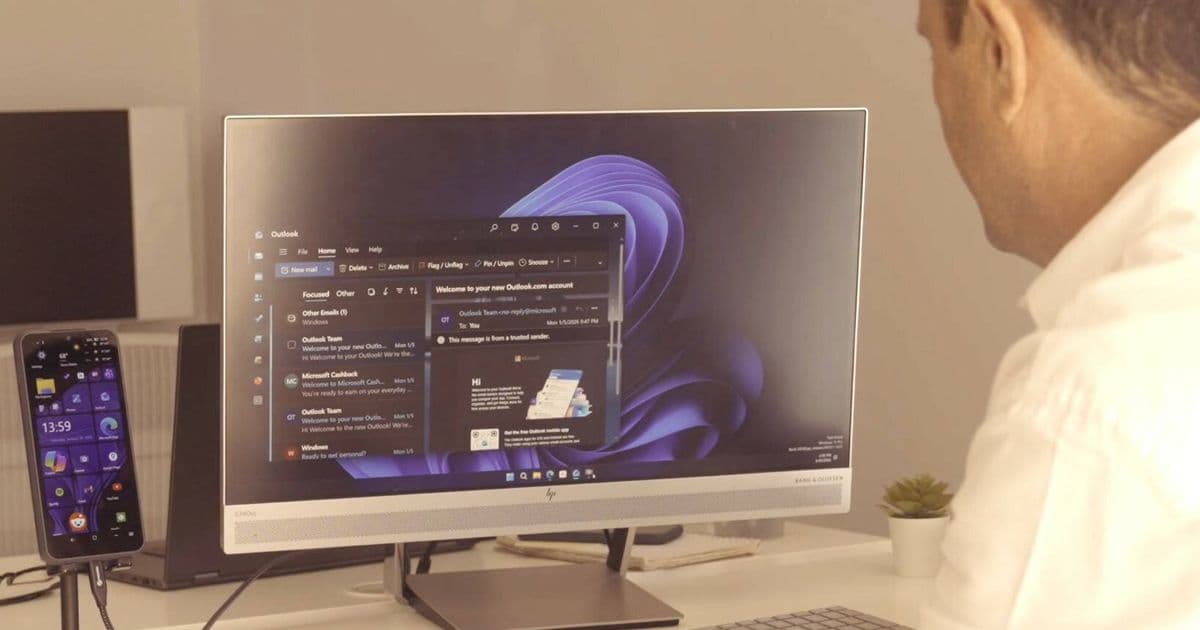
NexPhone and Brax open_slate tablet introduce unprecedented OS flexibility, allowing users to bypass platform restrictions with hardware supporting Windows, Linux, and de-Googled Android variants.
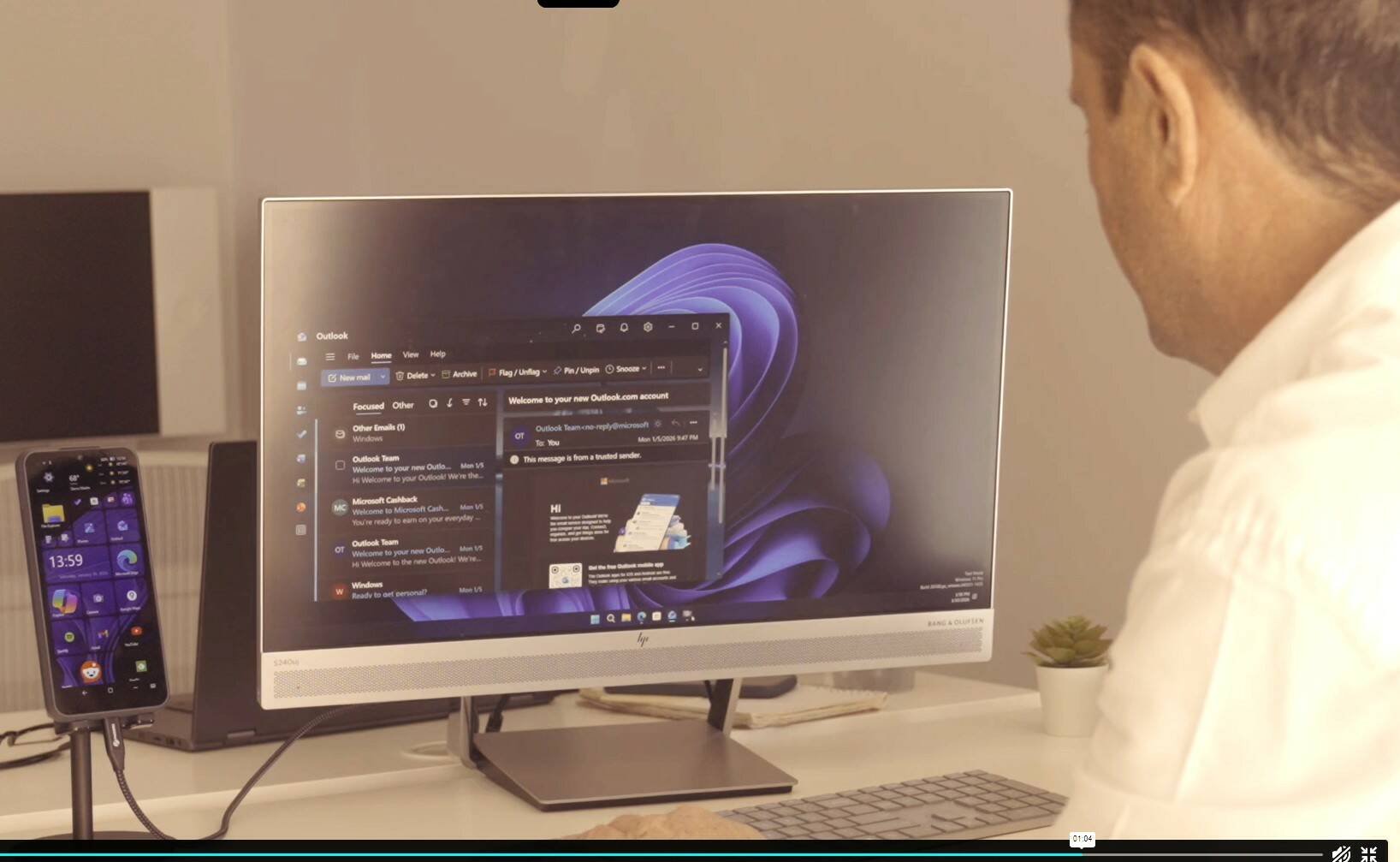
Two pioneering devices are challenging the mobile status quo by offering dual-boot capabilities that liberate users from single-OS constraints. The NexPhone and Brax open_slate tablet enable switching between operating systems – including Windows 11, Linux distributions, and Google-free Android variants – providing unprecedented control over device functionality and data privacy.
NexPhone: Pocket-Sized Windows PC The NexPhone (official site) launches with Android 16 featuring a desktop mode, but its breakthrough capability lies in dual-booting Windows 11 for Arm64. Using the included USB-C hub, users can connect peripherals to transform the phone into a full desktop computer. Additionally, it runs a hardware-accelerated Debian Linux virtual machine for native app support. Founder Emre Kosmaz details this decade-long development journey in a recent blog post.
For privacy-conscious users, the architecture allows complete separation between Android's data collection and isolated Linux/Windows environments. Scheduled for Q3 2026 delivery, the $549 device requires a $199 reservation deposit, positioning it as a modular alternative to carrying multiple devices.
Brax open_slate: Modular Privacy Tablet Brax Technologies' open_slate tablet (forum specs) expands on the company's Google-free Brax3 phone with radical hardware customization. Its dual-boot system supports:
- Android variants: BraxOS, iodeOS, LineageOS
- Linux distributions: Ubuntu Touch, Debian, Yocto
The hardware includes a user-replaceable battery, microSD expansion (1TB), and crucially, an M.2 NVMe slot for high-speed SSD storage – exceptionally rare in tablets. Connectivity features two USB-C ports and a USB-A port for peripheral support.
Most notably, six hardware kill switches physically disconnect cameras, microphones, Bluetooth, GPS, cellular, and Wi-Fi. This granular control responds to GDPR/CCPA requirements for data minimization by enabling tangible privacy safeguards beyond software toggles.
User Impact These devices represent a tangible shift toward:
- Regulatory alignment: Hardware privacy controls implement GDPR Article 25's "privacy by design" principle more effectively than software solutions
- Vendor independence: Avoiding ecosystem lock-in reduces dependency on Apple/Google infrastructure
- Cost efficiency: Single-device functionality replaces phones, tablets, and laptops
- Data sovereignty: Local processing in Linux/Windows environments minimizes cloud data exposure
As both devices move toward 2026 releases, they offer early proof concepts for the Right to Repair movement and user-controlled computing – challenging manufacturers to rethink mobile device architecture in the surveillance economy era.
Comments
Please log in or register to join the discussion