Kevin Warsh takes the helm at the Federal Reserve amid persistent inflation concerns, market volatility, and evolving monetary policy challenges that will shape tech and business sectors.
Kevin Warsh officially assumed the role of Federal Reserve Chair today, marking a significant shift in monetary policy leadership at a critical juncture for the U.S. economy. The former Fed governor and Treasury official brings a unique blend of Wall Street experience and policy expertise to a position facing unprecedented economic challenges.
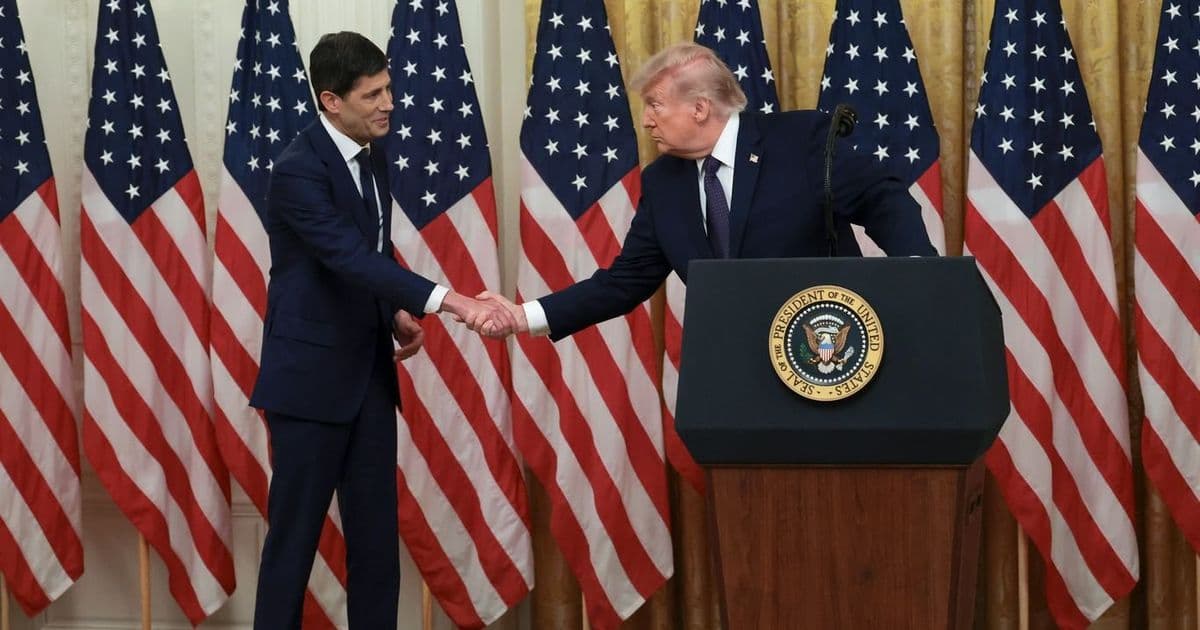
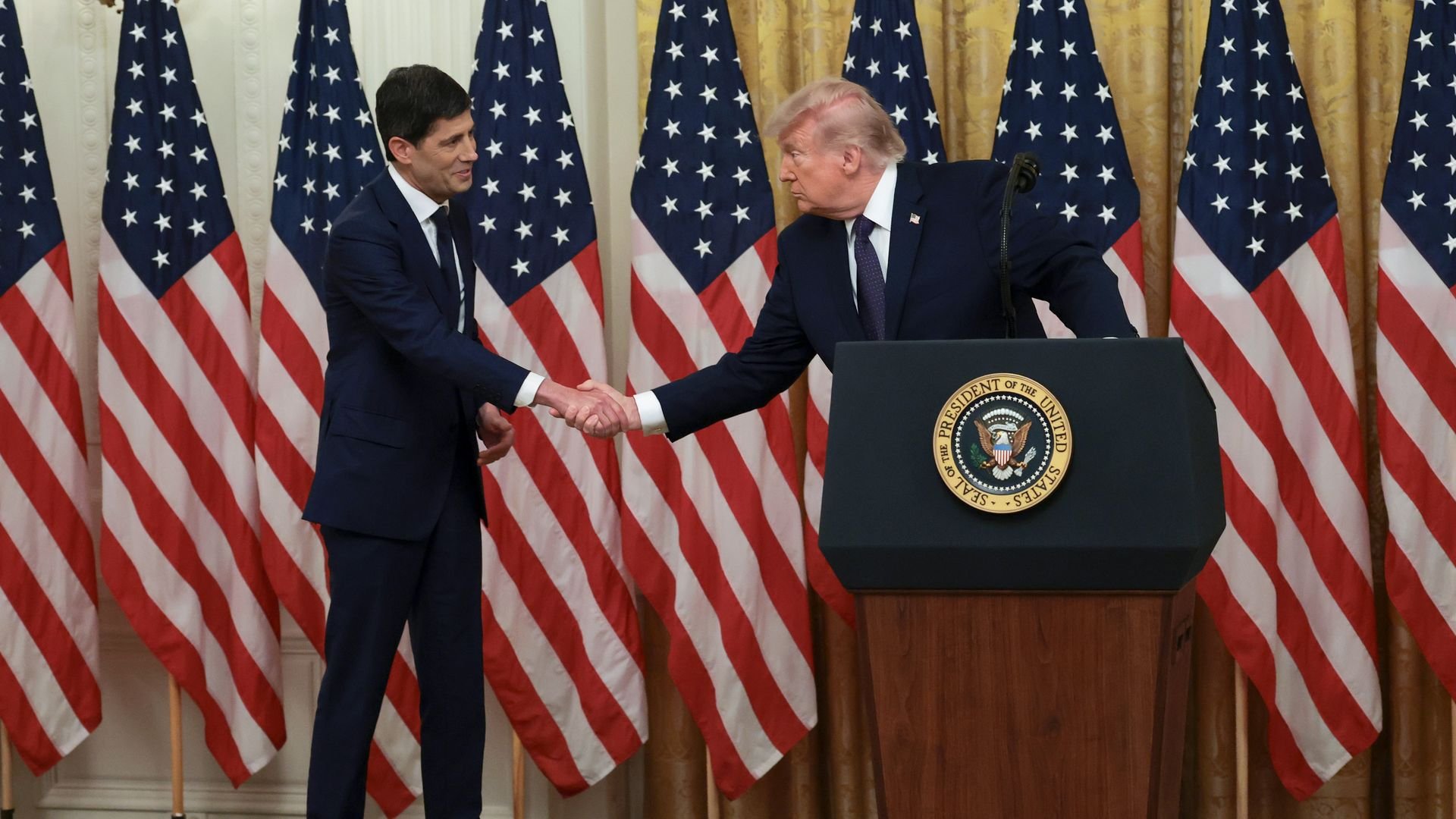
Warsh's swearing-in ceremony at the White House, where he was greeted by President Trump, signals a new direction for the nation's central banking strategy. His appointment comes as the Federal Reserve navigates the complex aftermath of pandemic-era economic policies, persistent inflationary pressures, and growing market volatility.
Economic Landscape: A Challenging Inheritance
Warsh inherits an economy characterized by several persistent challenges that will test his policy approach:
- Inflation remains above the Federal Reserve's 2% target, with core CPI running at approximately 3.8% year-over-year
- The labor market shows signs of cooling but maintains unemployment near historic lows of 3.7%
- Federal debt levels have reached $34 trillion, creating constraints for fiscal policy
- Housing affordability continues to deteriorate, with mortgage rates hovering near 7%
- Consumer confidence remains fragile despite strong wage growth
These metrics create a complex balancing act for the new Fed chair, who must simultaneously combat inflation without triggering a recession or destabilizing financial markets.
Market Context: Tech Sector Implications
The technology sector faces particular challenges under the current economic conditions:
- Venture capital funding has declined 65% from its 2021 peak, according to PitchBook data
- Tech valuations remain compressed, with the Nasdaq trading 15% below its 2021 high
- AI investments continue to buck the downward trend, with funding reaching $50 billion in 2023
- Cloud infrastructure spending growth has slowed to 18% from 30% in previous years
- Digital advertising growth has moderated to 8% after pandemic-fueled expansion
These trends suggest a maturing technology sector that must adapt to higher interest rates and changing market expectations. Warsh's approach to monetary policy will directly impact the cost of capital for tech companies and the pace of innovation in critical areas like artificial intelligence and quantum computing.
Policy Direction: What to Expect
Warsh's background suggests a pragmatic approach to monetary policy, likely characterized by:
- Gradual interest rate adjustments to avoid market disruptions
- Continued balance sheet reduction at a measured pace
- Enhanced communication to reduce market uncertainty
- Greater consideration of financial stability risks
- Potential recalibration of forward guidance
His experience at both the Fed and Treasury, combined with his Wall Street background, positions him to balance inflation-fighting with economic growth concerns. However, his independence from traditional academic economics may lead to unconventional approaches to emerging challenges like cryptocurrency regulation and climate financial risks.
Strategic Implications for Business
For businesses across sectors, Warsh's leadership will likely translate to:
- Higher borrowing costs persisting through 2024, though potentially with fewer increases
- Greater emphasis on data-driven decision making in monetary policy
- Increased scrutiny of large financial institutions' risk management practices
- Potential regulatory changes affecting fintech and cryptocurrency markets
- Continued focus on labor market dynamics in policy decisions
The tech industry, in particular, will need to adjust to a higher-for-longer interest rate environment that favors profitability over growth at all costs. Companies with strong balance sheets and sustainable business models are likely to outperform in this new regime.
Global Considerations
Warsh's tenure will unfold against a backdrop of divergent global monetary policies:
- The European Central Bank faces similar inflation challenges but with slower growth prospects
- The Bank of Japan continues its yield curve control policy, creating potential market tensions
- Emerging markets face capital outflows as the Fed maintains higher rates
- Currency volatility may increase as central bank policies diverge
These global dynamics will complicate Warsh's policy decisions, particularly regarding the U.S. dollar's strength and its impact on international trade and investment.
The Road Ahead
The next 18 months will be critical for Warsh as he establishes his policy legacy. Key milestones include:
- Quarterly Federal Open Market Committee meetings where rate decisions will be made
- Semi Monetary Policy Reports to Congress
- Annual stress tests for major financial institutions
- Potential legislative developments affecting Fed independence
- Evolving data on inflation, employment, and economic growth
Markets will be closely watching how Warsh balances the sometimes conflicting mandates of maximum employment and price stability, particularly as the 2024 presidential election approaches.
For the technology sector and broader economy, Warsh's leadership represents both challenges and opportunities. His ability to navigate complex economic conditions while maintaining market confidence will determine whether the current economic expansion continues or faces significant headwinds.
The Federal Reserve under Warsh's guidance will need to demonstrate agility in responding to changing economic conditions while providing the stability necessary for sustainable growth. This balancing act will be particularly crucial for innovation-dependent sectors like technology, where access to capital and predictable policy environments are essential for long-term success.
As Warsh settles into his new role, the business community will be watching closely for signals about the future direction of monetary policy and its implications for investment decisions, hiring plans, and strategic initiatives in the months and years ahead.
Comments
Please log in or register to join the discussion