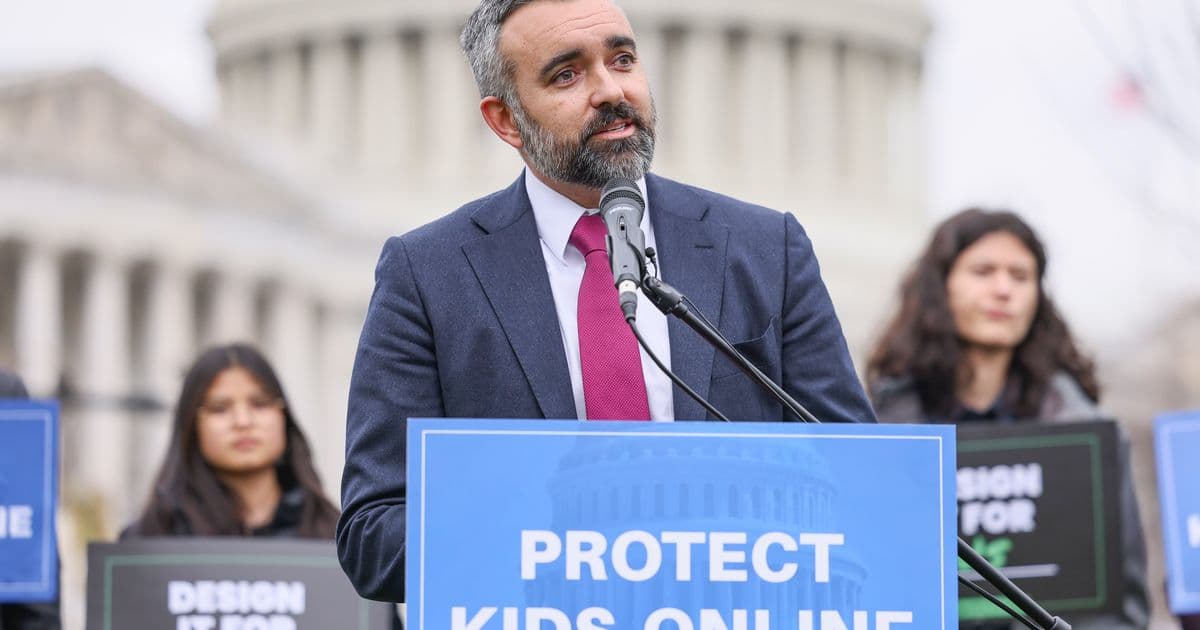
New Mexico Attorney General Raúl Torrez discusses the historic social media liability verdicts against Meta and YouTube, their implications for Section 230 protections, and what these cases mean for Congress and future tech regulation.
In a landmark moment for tech accountability, juries in New Mexico and Los Angeles have delivered back-to-back verdicts holding Meta and YouTube liable for harm to young users, with damages totaling $6 million. These cases represent what many are calling Big Tech's "Big Tobacco" moment - a turning point where social media companies face real consequences for the addictive and harmful effects of their platforms on children.
I sat down with New Mexico Attorney General Raúl Torrez to discuss these historic trials, their implications for Congress, and what comes next in the fight to protect young users online.
What makes these verdicts so significant?
"These cases are groundbreaking because they pierce the corporate veil of immunity that Big Tech has enjoyed for years," Torrez explained. "For the first time, we have juries saying that social media companies can be held liable for the harm their platforms cause to young users - not just in theory, but with real damages awarded."
The New Mexico case focused on the role of social media algorithms in promoting harmful content to minors, while the LA trial examined how platforms failed to protect young users from exploitation and addiction. Both juries found the companies liable, rejecting arguments that Section 230 of the Communications Decency Act shields them from such lawsuits.
The "Big Tobacco" comparison
When I asked Torrez about comparisons to the tobacco industry's liability crisis in the 1990s, he didn't hesitate. "The parallels are striking. Just as tobacco companies knew about the addictive properties of nicotine but denied it for decades, social media companies have known about the addictive design of their platforms and the harm they cause to developing brains."
Torrez pointed to internal documents and whistleblower testimony that have emerged in recent years, showing that companies like Meta were aware of the mental health impacts on young users but prioritized engagement and profits over safety.
What this means for Congress
These verdicts could dramatically shift the legislative landscape. "Congress has been paralyzed on tech regulation for years, but these cases provide concrete evidence that the current system isn't working," Torrez said. "We now have juries - ordinary citizens - saying these companies need to be held accountable. That's powerful."
The Attorney General believes these trials will accelerate efforts to reform Section 230, which currently provides broad immunity to online platforms for user-generated content. "The question isn't whether Section 230 needs reform anymore - it's how and when we do it."
The path forward
Torrez outlined several potential legislative responses: mandatory safety by design requirements, age verification systems, algorithmic transparency, and stronger privacy protections for minors. He also emphasized the need for federal funding for digital literacy programs and mental health resources.
"This isn't about banning social media or breaking up companies," he clarified. "It's about creating a framework where innovation can continue but with guardrails that protect our most vulnerable users."
The industry response
Unsurprisingly, tech companies are pushing back hard. Meta's stock dropped 8% following the verdicts, and industry groups are already mounting legal challenges. The companies argue that these verdicts threaten free speech and innovation online.
Torrez dismisses these arguments. "No one's talking about censoring speech. We're talking about designing platforms that don't deliberately exploit psychological vulnerabilities in children. That's not censorship - that's basic safety."
What parents should know
For concerned parents, Torrez offers practical advice: monitor screen time, use available parental controls, and most importantly, have open conversations with children about social media use. "The technology is evolving faster than our understanding of its impacts," he said. "Parents need to stay informed and engaged."
The bigger picture
These trials represent more than just legal victories - they signal a cultural shift in how we view Big Tech's responsibilities. "We're moving from an era of 'move fast and break things' to one where companies are expected to consider the societal impacts of their products," Torrez noted.
Looking ahead
The Attorney General is optimistic but realistic about the road ahead. "These verdicts are just the beginning. We're going to see more litigation, more legislative proposals, and more public pressure on these companies. The question is whether they'll adapt voluntarily or wait to be forced to change."
He also emphasized that state attorneys general will continue to play a crucial role. "While Congress debates federal legislation, states can and should continue to hold these companies accountable through litigation and state-level regulations."
The bottom line
These landmark verdicts mark a potential turning point in the relationship between Big Tech and society. Whether they lead to meaningful reform or trigger a prolonged legal and political battle remains to be seen. But one thing is clear: the era of unfettered social media growth without accountability may be coming to an end.
As Torrez put it: "The arc of history bends toward accountability. These companies built incredibly powerful tools, but with that power comes responsibility. The juries have spoken. Now it's up to our elected officials to decide whether to listen."
What's next?
Legal experts expect appeals in both cases, which could take years to resolve. Meanwhile, similar lawsuits are being prepared in other states, and Congress is under increasing pressure to act. The tech industry is also racing to develop new safety features and age verification systems, though critics argue these are too little, too late.
The coming months will be crucial in determining whether these verdicts represent a true watershed moment or just another chapter in the ongoing struggle to regulate Big Tech. But after decades of immunity, the mere fact that social media companies are being held accountable in court represents a seismic shift in the digital landscape.
Comments
Please log in or register to join the discussion