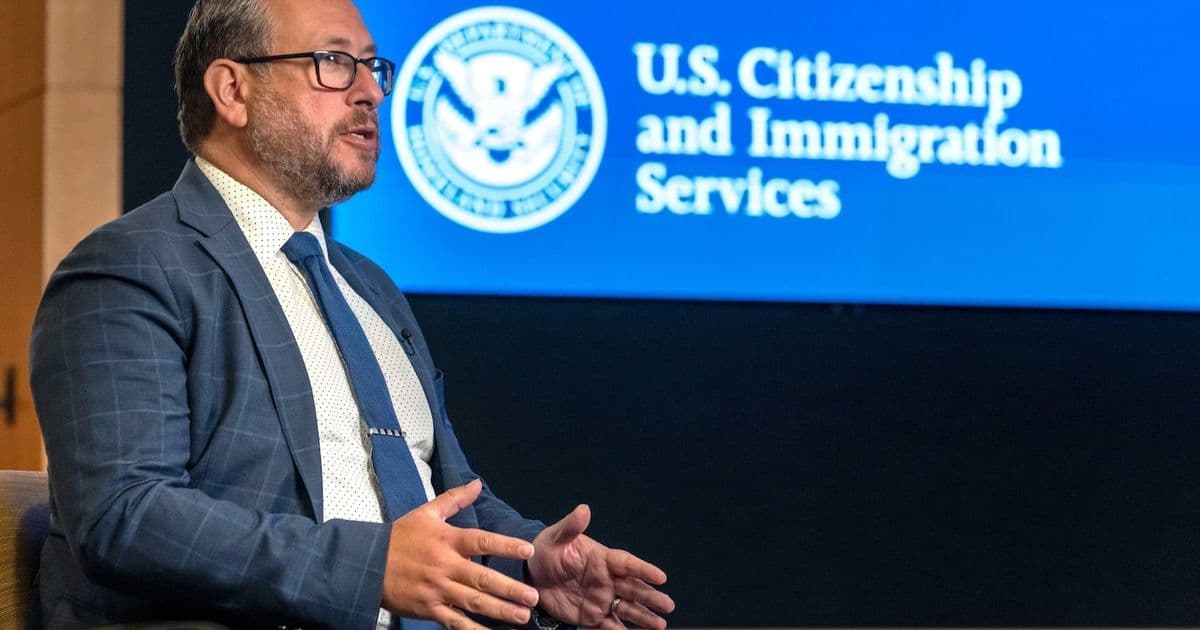
The Trump administration announced a significant shift in immigration policy, requiring most foreigners seeking green cards to apply from outside the United States, affecting hundreds of thousands of people currently on temporary visas in the country.
The Trump administration has implemented a substantial change to U.S. immigration policy, announcing that most foreigners seeking green cards must now apply from outside the United States. This marks a departure from long-standing practice that has allowed many individuals to adjust their status while already residing in America on temporary visas.
According to immigration lawyers familiar with the policy change, this new rule could impact hundreds of thousands of people who file green card applications annually while living in the United States. The policy specifically targets those on temporary visas who previously might have been able to apply for permanent residency without leaving the country.
This change comes amid broader efforts by the administration to reshape legal immigration pathways. The policy appears designed to reduce the number of people who can transition from temporary to permanent status while already in the U.S., potentially creating additional barriers for certain visa holders.
Immigration experts note that the policy could particularly affect individuals on work visas, student visas, or other temporary statuses who have been living in the United States and building lives here. For many, this requirement means uprooting their lives, potentially including family members, children in school, and established careers, to return to their home countries while awaiting approval.
The announcement has drawn significant public reaction, with many commenters criticizing the policy as cruel, strategically harmful, and racially motivated. Critics argue that the policy disrupts established lives, creates unnecessary hardship for law-abiding immigrants, and may harm the U.S. economy by making it less attractive to skilled workers who contribute to various industries.
Legal challenges to the policy are expected, as immigration advocates and affected individuals may argue that the administration overstepped its authority or failed to properly consider the human impact of such a sweeping change. Previous attempts to significantly alter immigration processing have faced legal scrutiny and setbacks.
The policy change also raises questions about the practical implementation of such a requirement. U.S. consulates abroad already face significant backlogs in visa processing, and this new rule could further strain those systems, potentially leading to longer wait times for applicants.
For immigrants currently in the United States on temporary visas, the policy creates uncertainty about their future plans. Many who had been planning to pursue permanent residency through established pathways now face the prospect of leaving the country, with no guarantee of when or if they will be able to return.
The administration has framed the policy as necessary to maintain the integrity of the immigration system and ensure that proper vetting occurs before granting permanent residency. Proponents argue that requiring applications to be processed abroad allows for more thorough background checks and reduces potential fraud in the system.
Comments
Please log in or register to join the discussion