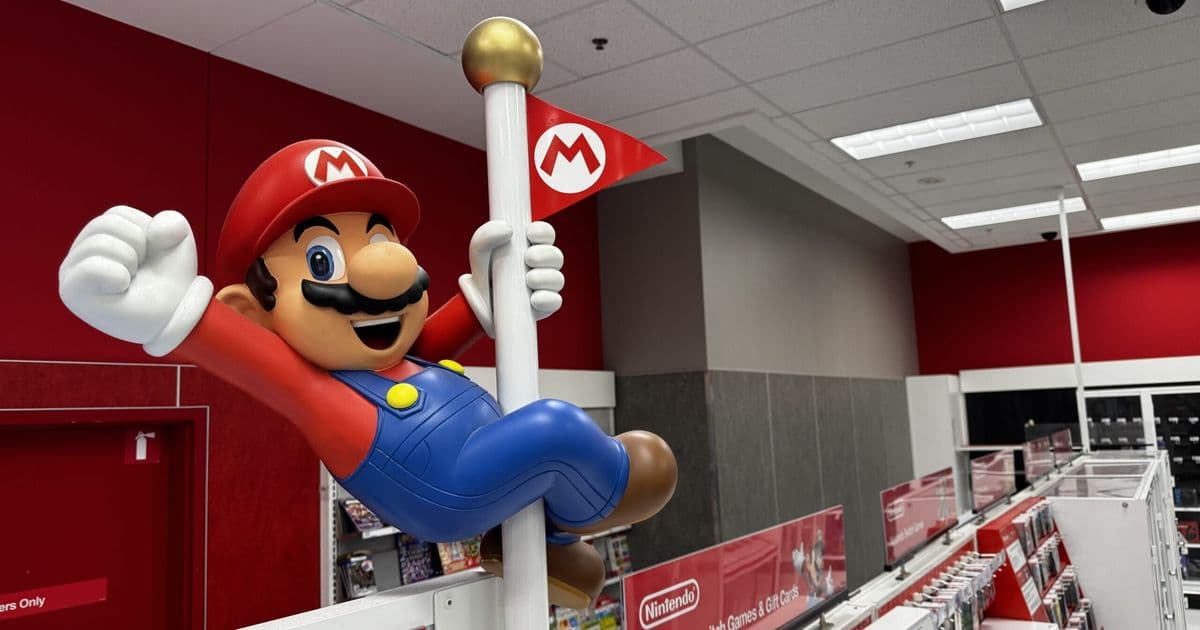
Nintendo announces different pricing for physical and digital versions of first-party Switch 2 games starting in May, marking a significant shift in their distribution strategy.
Nintendo has announced a major change to its pricing strategy for the upcoming Switch 2 console, revealing that first-party games will have different prices for physical and digital versions in the US starting in May. This marks a significant departure from the traditional uniform pricing model that has dominated the gaming industry for years.
According to the announcement from Nintendo of America, the new pricing structure will see physical and digital versions of first-party Switch 2 games priced differently, though specific price points were not disclosed. This move appears to be part of Nintendo's broader strategy to adapt to changing consumer preferences and market dynamics in the gaming industry.
The decision to implement different pricing tiers reflects several factors that Nintendo is likely considering. Physical games require manufacturing, packaging, shipping, and retail distribution, all of which add costs that digital versions don't incur. By adjusting prices accordingly, Nintendo can potentially offer more competitive pricing for digital versions while maintaining profitability on physical copies.
This pricing strategy also aligns with broader industry trends. Many publishers have been experimenting with different pricing models for physical versus digital content, particularly as digital distribution continues to grow. The move could help Nintendo capture different segments of the market - price-sensitive consumers might opt for digital versions, while collectors and those who prefer physical media would pay a premium.
However, the announcement has sparked debate among gamers and industry analysts. Some worry that different pricing could create confusion or frustration among consumers who expect parity between physical and digital versions. Others see it as a pragmatic approach that reflects the true costs and value propositions of each distribution method.
The timing of this announcement, coming ahead of the Switch 2's launch, suggests Nintendo is already planning its software strategy for the new console. The company has historically been protective of its pricing and distribution models, so this change represents a notable shift in their approach.
Industry observers note that this could have ripple effects throughout the gaming ecosystem. Retailers who sell physical games may need to adjust their strategies, while digital storefronts might see changes in purchasing patterns. The move could also influence how third-party developers price their games on the Switch 2 platform.
Nintendo's decision comes at a time when the gaming industry is grappling with various pricing and distribution challenges. The rise of digital distribution, subscription services, and changing consumer expectations have all put pressure on traditional pricing models. By implementing different prices for physical and digital versions, Nintendo is positioning itself to be more flexible in responding to these market forces.
The company hasn't provided specific details about how much the prices will differ or which games will be affected first. However, given that this applies to first-party games beginning in May, it's likely we'll see this pricing structure in place for major Nintendo titles launching alongside or shortly after the Switch 2's release.
This strategy could also be related to Nintendo's efforts to combat issues like game sharing and resale, which are more prevalent with physical copies. By creating a price differential, Nintendo might be incentivizing consumers toward digital purchases, which offer better control over distribution and potentially higher margins for the company.
As the gaming industry continues to evolve, Nintendo's pricing experiment could serve as a test case for other publishers considering similar approaches. The success or failure of this strategy could influence how games are priced and distributed across the entire industry in the coming years.
For now, gamers will need to wait for more specific pricing details and to see how this new model plays out in practice. The May implementation date suggests Nintendo is confident in this approach and ready to move forward with what could be a significant change in how games are valued and sold.
Comments
Please log in or register to join the discussion