Nintendo recommends charging or using Switch consoles at least once every 6 months to prevent battery degradation and potential swelling, with additional tips for maximizing battery life.
Nintendo Support gives Switch 2 battery advice to extend life and stop swelling
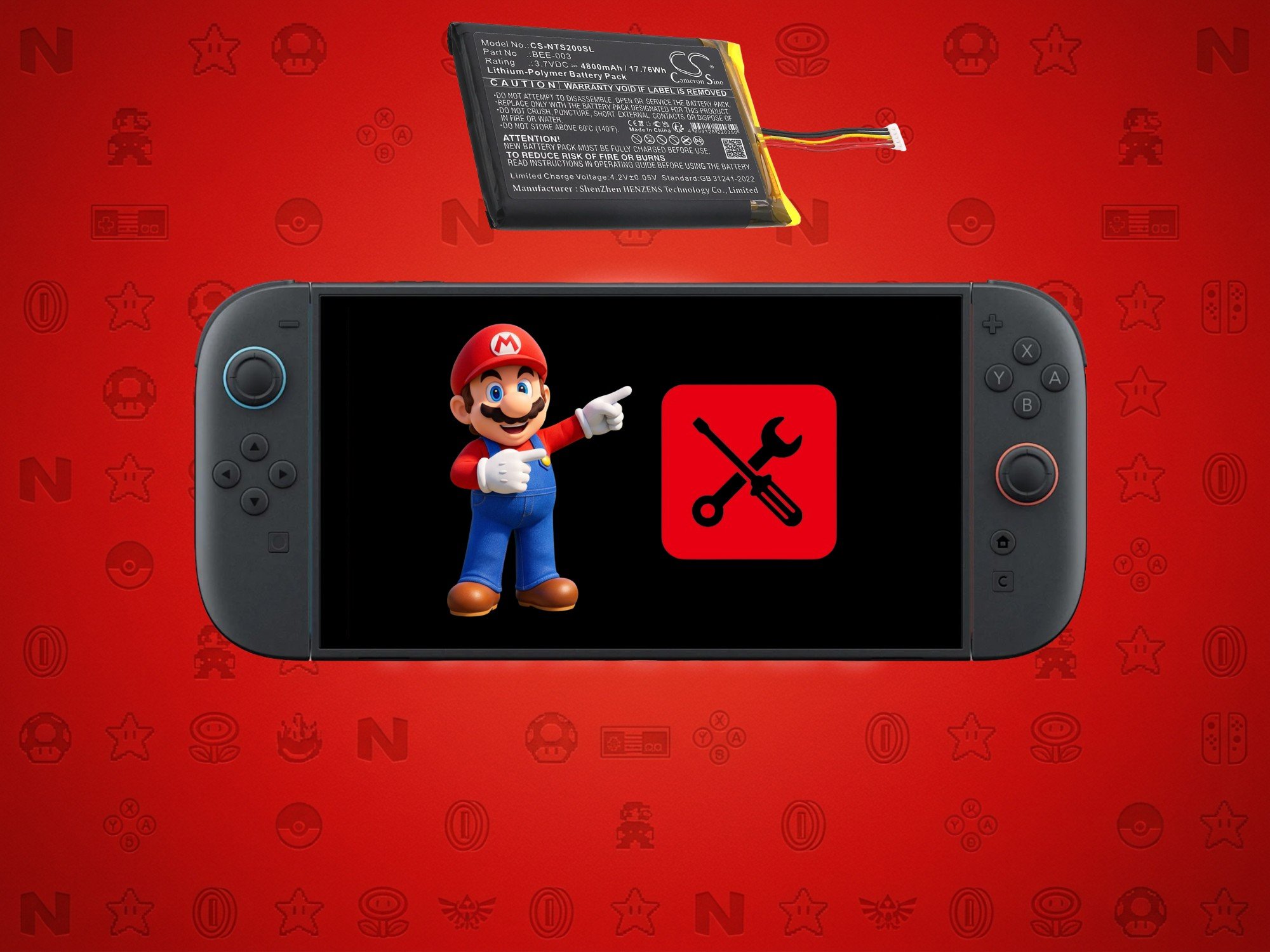
Many gamers have learned the hard way about the dangers of leaving lithium-ion battery-powered devices unattended for extended periods. Now, Nintendo Support has stepped in to remind Switch and Switch 2 owners about proper battery maintenance, issuing straightforward advice that could prevent premature battery failure and potential hardware damage.
What's new: Nintendo's battery care recommendations
In a recent Japanese social media post noticed by Genki, Nintendo issued a simple but critical reminder: charge or play your Switch or Switch 2 at least once every six months. The company explains that lithium-ion batteries built into game consoles may become unable to charge if they remain in a state of neither charging nor use for an extended period.
This advice applies across Nintendo's current lineup, including the original Switch, Switch OLED, and the recently released Switch 2. When these devices are ignored for long periods, their charge levels gradually drop. If the battery reaches 0%, the handheld may no longer power on, even when plugged in. Alternatively, battery life will dwindle, forcing more frequent recharging cycles that accelerate degradation.
How it compares: Battery maintenance across gaming devices
Nintendo's advice aligns with general lithium-ion battery best practices, but the company's specific six-month recommendation is more conservative than some manufacturers' guidelines. Most laptop and smartphone manufacturers suggest devices be used or charged at least once every three months, though this varies based on battery chemistry and device design.
The Switch 2, like its predecessors, uses a lithium-ion battery rather than the more lithium-ion phosphate chemistry found in some other devices. While lithium-ion batteries offer higher energy density, they're more susceptible to degradation when left at full charge or completely discharged for extended periods.
Notably, Nintendo has implemented several software features to help users maximize battery health. The Switch 2 includes an option to "stop charging around 90%" in its settings, a safeguard that can preserve battery capacity throughout multiple charging cycles. This feature mirrors similar options found in many modern laptops and smartphones, though Nintendo's implementation is somewhat buried in the settings menu compared to more prominently displayed battery health features on competing devices.
For storage, Nintendo recommends keeping idle consoles with a 40-60% charge in cool and dry conditions. This range is considered optimal for long-term battery preservation, as it avoids the stress of both fully charged (100%) and fully discharged (0%) states.
Who it's for: All Switch owners, especially infrequent users
This advice is particularly important for:
- Gamers who own multiple consoles and don't use their Switch regularly
- Collectors who keep devices in storage for extended periods
- Users in regions with distinct off-seasons (like summer vacations or winter holidays)
- Parents whose children have multiple gaming devices and rotate between them
The six-month recommendation might seem frequent, but lithium-ion batteries begin to degrade the moment they're manufactured, with the most rapid degradation occurring when stored at extreme charge levels or temperatures. Nintendo's conservative approach reflects the company's experience with battery issues across its product history.
Beyond basic care: Nintendo's repairability improvements
More recently, Nintendo announced it would redesign the Switch 2 to become easier to fix, responding to EU right-to-repair regulations. While these changes may not immediately affect battery replacement, they signal a shift toward more user-serviceable hardware. The redesigned models will likely feature easier battery access, though Nintendo hasn't specified whether these changes will apply to all regions or just those with strong right-to-repair laws.
For gamers experiencing battery degradation or swelling in regions without the redesigned models, alternatives exist beyond Nintendo's sometimes slow repair service. Third-party repair shops have become increasingly proficient at Switch battery replacements, often using higher-capacity aftermarket batteries that can actually improve upon the original specifications.
The swelling risk Nintendo didn't mention
While Nintendo's official post doesn't address the possibility, lithium-ion battery swelling remains a serious concern. When batteries degrade internally, gas buildup can cause the battery to expand, potentially damaging the device's casing and screen. In extreme cases, swollen batteries can pose safety hazards.
So far, reports of bulging Switch 2 units have been sporadic, likely because the device is relatively new. However, as these consoles age and their batteries go through more charge cycles, swelling cases may become more common. Following Nintendo's charging recommendations can help mitigate this risk.
Best practices for Switch battery care
Based on Nintendo's recommendations and general lithium-ion battery best practices:
Use or charge every 6 months: Set calendar reminders to power on your Switch even if you don't plan to play.
Optimize charging settings: Enable the "stop charging around 90%" option when using the device primarily while plugged in.
Proper storage: For consoles you won't use for months, charge to 50% and store in a cool place (ideally 10-25°C or 50-77°F).
Avoid extreme temperatures: Don't leave your Switch in hot cars or very cold environments for extended periods.
Consider partial charging: Unlike older battery technologies, lithium-ion batteries don't suffer from "memory effect," so partial charges are actually better for long-term health.
Nintendo's advice, while basic, reflects the reality of lithium-ion battery chemistry. By following these simple guidelines, Switch owners can maximize their device's lifespan and avoid the frustration of a dead battery when they least expect it.
Comments
Please log in or register to join the discussion