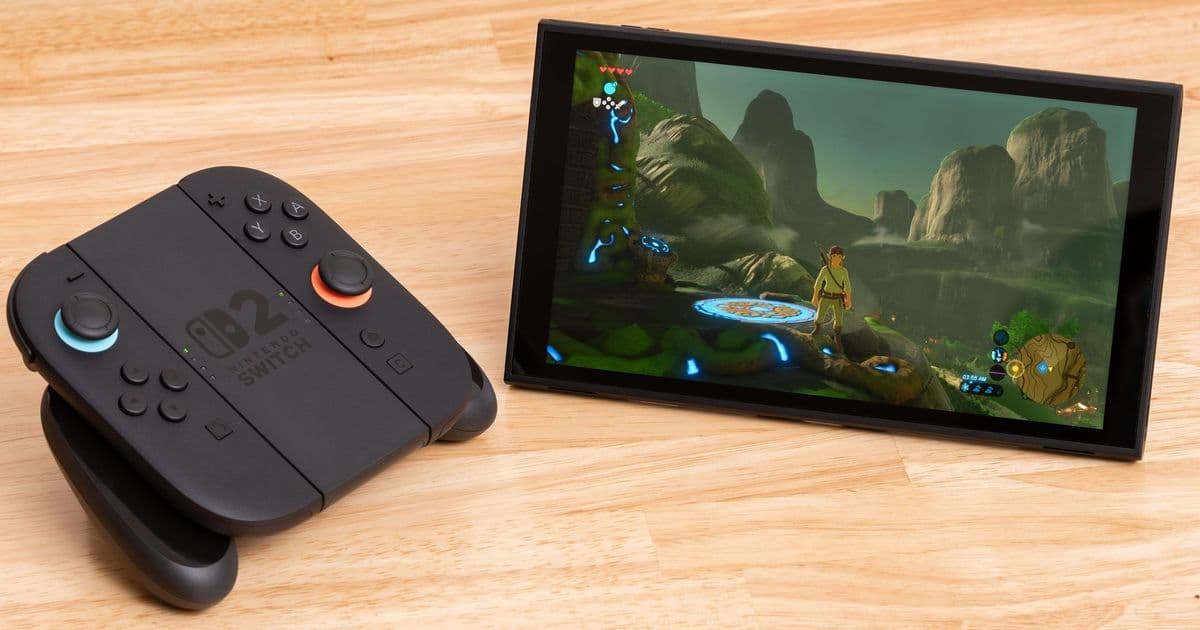
Nintendo is reportedly planning a hardware revision for the Switch 2 that includes a removable battery specifically for the European market, complying with upcoming EU regulations that mandate user-replaceable batteries in portable devices.
Nintendo is reportedly planning a significant hardware revision for the Switch 2 that will introduce a removable battery specifically for the European market, according to a report from Nikkei [machine translated]. The change comes in direct response to Regulation (EU) 2023/1542, which mandates that manufacturers ensure batteries in portable devices are readily removable and replaceable by end-users throughout the product's lifetime.
The regulation, passed in 2023, won't take full effect until February 18, 2027, giving companies several years to adapt their designs. However, Nintendo appears to be getting ahead of the requirement, particularly as Europe represents its second-largest market after the United States.
This hardware revision won't be limited to just the main console. The report indicates that the Joy-Con controllers will also receive the same treatment, making it easier for users to replace batteries on both the console and its controllers without requiring special tools, solvents, or other materials. This represents a significant shift from the current Switch design, where battery replacement typically requires specialized knowledge and equipment.
There's potential for this change to extend beyond European borders. The report suggests that Nintendo is considering making the same modifications globally if the United States and Japan adopt similar right-to-repair regulations. This would align with the company's strategy of creating unified hardware designs across different markets when possible, reducing manufacturing complexity and costs.
The timing of this decision raises questions about Nintendo's initial design choices for the Switch 2. Given that Europe is a major market for the company, some industry analysts wonder why Nintendo didn't incorporate a removable battery from the beginning. The decision to wait for regulatory pressure rather than proactively designing for repairability suggests that Nintendo, like many electronics manufacturers, has prioritized design integration and water resistance over user serviceability in its product development philosophy.
This change represents more than just a convenience for European gamers. It addresses growing concerns about electronic waste and the environmental impact of disposable electronics. By making batteries easily replaceable, Nintendo is extending the potential lifespan of Switch 2 consoles, allowing users to keep their devices longer rather than replacing entire units when batteries degrade.
The EU regulation affecting the Switch 2 isn't limited to gaming devices. It's expected to impact nearly every portable battery-powered device, including smartphones, laptops, earbuds, headphones, and other consumer electronics. This broad scope means that Nintendo's decision could be indicative of a larger industry trend toward more repairable and sustainable product designs.
Other companies have already begun responding to similar regulatory pressures. Sony has made it easier to replace batteries in its DualSense controllers, and Apple has introduced more repairable designs in recent MacBook models. These changes reflect a growing recognition that consumers increasingly value the ability to repair and maintain their devices rather than being forced to replace them entirely.
For Nintendo, this hardware revision comes at a time when the company is facing multiple challenges despite the Switch 2's record-breaking opening weekend sales. The gaming giant is experiencing weaker game sales, with some reports attributing this to the AI-driven chip shortage making storage more expensive. Others point to pricier game titles and a lack of compelling new releases as reasons for reduced game purchases.
The company has even taken legal action against the U.S. government, suing for a $200 billion tariff refund with interest. This aggressive stance on trade issues, combined with the hardware revision for regulatory compliance, suggests that Nintendo is navigating a complex landscape of market pressures, regulatory requirements, and supply chain challenges.
The Switch 2 battery change represents a significant shift in Nintendo's approach to hardware design, potentially setting a precedent for future gaming consoles and portable devices. As right-to-repair regulations continue to spread globally, consumers can expect to see more electronics manufacturers following Nintendo's lead in making their products more repairable and sustainable.
For European gamers, this change means that when the Switch 2's battery eventually degrades after years of use, they'll be able to replace it themselves or through third-party repair services, potentially saving hundreds of dollars compared to buying a new console. This increased longevity could make the Switch 2 a more attractive long-term investment for consumers who value sustainability and repairability in their electronic devices.
The coming years will reveal whether Nintendo's decision to comply with EU regulations represents a one-time adaptation or the beginning of a broader shift toward more repairable and sustainable gaming hardware across all markets.
Comments
Please log in or register to join the discussion