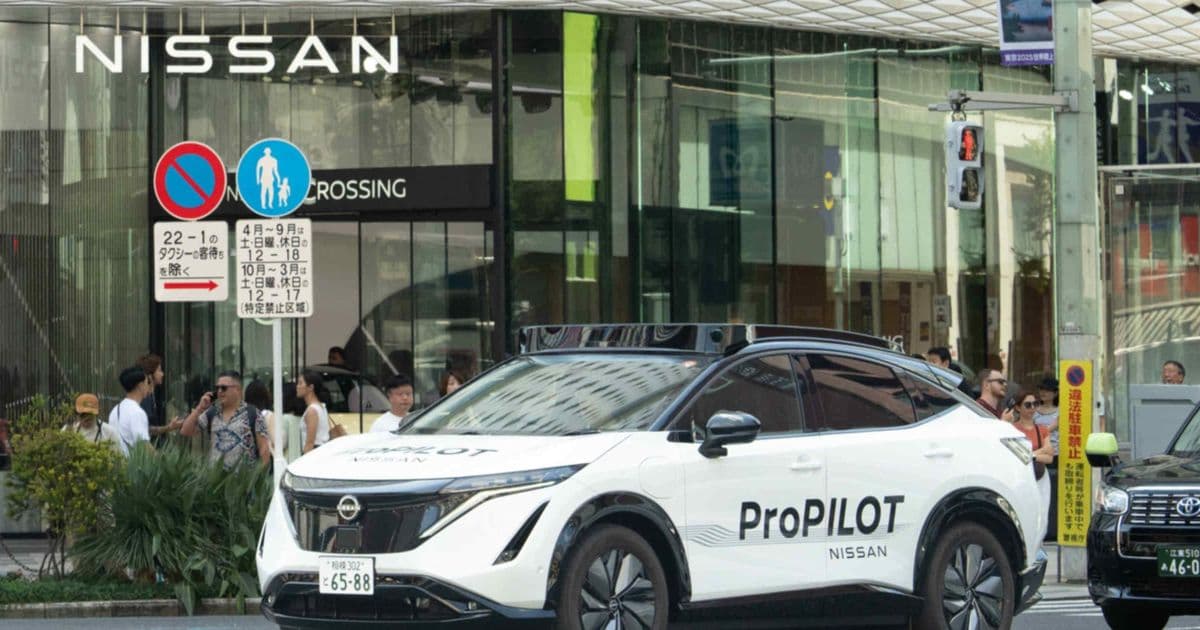
Nissan Motor is in final talks with Uber Technologies to deploy autonomous vehicles for ride-hailing services worldwide, leveraging its partnership with U.K.-based Wayve Technologies to advance from Level 2 to Level 5 self-driving technology.
Nissan Motor is in final talks with Uber Technologies on a deal that would bring autonomous driving to ride-hailing on a global scale, using self-driving vehicles that Nissan is developing with U.K.-based Wayve Technologies, Nikkei learned on Monday.
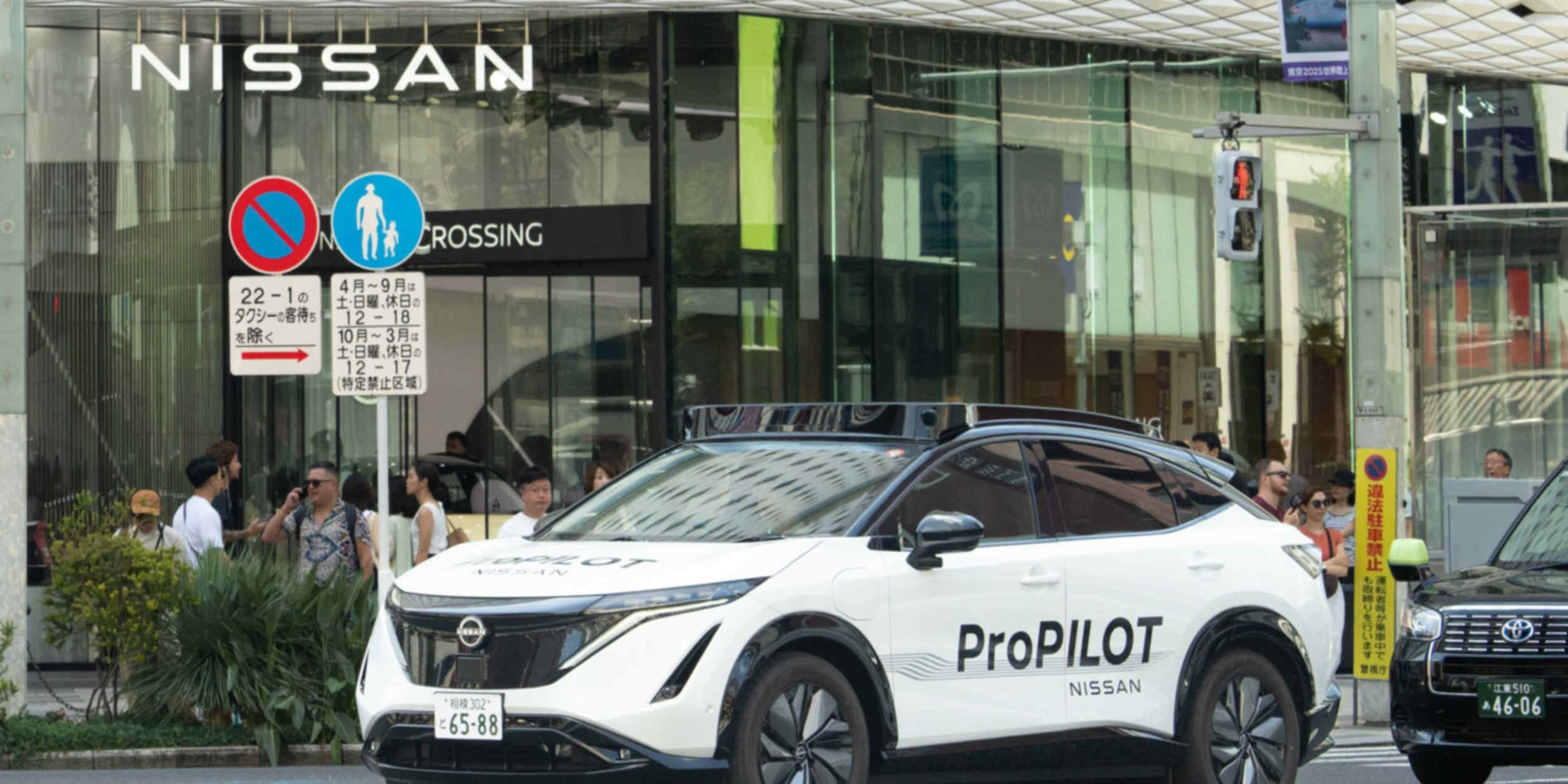
The Japanese automaker is working to move from Level 2 autonomous driving, in which a driver must take manual control in certain situations, to fully driverless, or Level 5, technology. This partnership represents a significant step toward commercializing autonomous ride-hailing services worldwide.
Strategic Partnership Details
The collaboration between Nissan and Uber aims to integrate Nissan's autonomous vehicle technology into Uber's ride-hailing platform. While specific terms of the deal remain undisclosed, the partnership would enable Uber to offer driverless ride-hailing services in multiple markets globally.
Nissan's approach involves leveraging its existing partnership with Wayve Technologies, a U.K.-based autonomous driving company that specializes in AI-powered self-driving systems. This technology stack would be integrated into Nissan vehicles to achieve Level 5 autonomy, where no human driver is required under any conditions.
Market Context and Competitive Landscape
This partnership comes at a critical time for both companies. Uber has been investing heavily in autonomous technology through various initiatives, including its Advanced Technologies Group and partnerships with other automakers. For Nissan, this deal represents a strategic move to accelerate its autonomous driving development and find commercial applications for the technology.
The autonomous ride-hailing market is becoming increasingly competitive, with companies like Waymo, Cruise, and Tesla all developing their own solutions. By partnering with Uber, Nissan gains access to a massive global ride-hailing network that could provide immediate commercial deployment opportunities for its autonomous technology.
Technical Implications
Moving from Level 2 to Level 5 autonomy represents a significant technological leap. Level 2 systems, which Nissan currently offers in some vehicles, include features like adaptive cruise control and lane-keeping assistance but still require human supervision. Level 5 autonomy would eliminate the need for any driver input, allowing vehicles to operate entirely independently.
This transition requires advanced AI systems, sophisticated sensor arrays, and robust software capable of handling complex driving scenarios. The partnership with Wayve Technologies suggests Nissan is pursuing a vision-based approach to autonomous driving, which relies heavily on cameras and AI rather than traditional lidar-based systems.
Global Deployment Strategy
The partnership's global scope indicates both companies see significant market potential for autonomous ride-hailing services. Key markets likely include North America, Europe, and parts of Asia where regulatory frameworks are evolving to accommodate autonomous vehicles.
For Uber, this partnership could help the company reduce labor costs and expand service availability in markets where driver shortages exist. For Nissan, it provides a clear path to monetize its autonomous driving investments while potentially reducing the need for human drivers in its own vehicle fleets.
Industry Impact
If successful, this partnership could accelerate the timeline for widespread autonomous ride-hailing deployment. It represents a convergence of traditional automotive manufacturing expertise with ride-hailing platform technology and cutting-edge AI systems.
The deal also highlights the changing dynamics in the automotive industry, where traditional manufacturers are increasingly partnering with technology companies and mobility platforms to stay competitive in an evolving transportation landscape.
Timeline and Next Steps
While the partnership is in final talks, specific deployment timelines have not been announced. The companies will need to complete negotiations, conduct extensive testing, and navigate regulatory approvals before launching commercial services.
Both Nissan and Uber have been working on autonomous technology for years, and this partnership suggests they believe the technology is approaching commercial viability. The next few years will be critical as they work to bring these services to market and demonstrate the safety and reliability of Level 5 autonomous vehicles in real-world ride-hailing operations.
Comments
Please log in or register to join the discussion