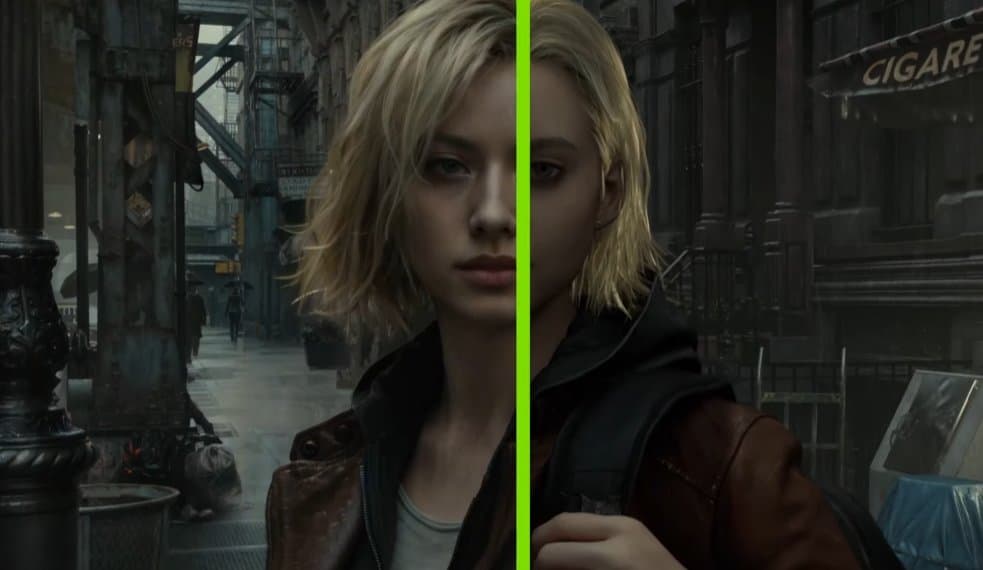
Nvidia claims game developers maintain full control over DLSS 5's effects after criticism that the AI rendering technology alters source material beyond acceptable limits.
Nvidia is pushing back against criticism that its upcoming DLSS 5 technology alters game content in ways that developers may not intend, following backlash from the gaming community about the AI rendering system's effects on source material.
The controversy erupted after early demonstrations of DLSS 5 showed the technology making changes to game scenes that went beyond traditional upscaling and frame generation. Critics argued that the AI was adding, removing, or modifying visual elements in ways that could compromise artistic intent.
In response, Nvidia has emphasized that game developers retain "full artistic control" over how DLSS 5's effects are applied. The company stated that developers can fine-tune the technology's behavior through various settings and parameters to ensure the final output matches their creative vision.
DLSS 5 represents the next generation of Nvidia's Deep Learning Super Sampling technology, which uses AI to improve game performance and visual quality. Unlike previous versions that focused primarily on upscaling and frame generation, DLSS 5 introduces a real-time neural rendering model that can add photorealistic lighting effects to game frames.
The technology is set to arrive this fall exclusively for RTX 50-series GPUs, which feature the new Blackwell architecture. This limitation has already drawn criticism from gamers with older hardware who feel excluded from the latest advancements.
Nvidia's defense comes as the company faces increasing scrutiny over the role of AI in creative industries. The gaming community has been particularly sensitive to changes that might alter the intended experience of games, especially when those changes are made automatically by AI systems.
The controversy highlights the broader tension between AI-driven performance improvements and artistic control in gaming. While technologies like DLSS 5 can significantly enhance visual quality and frame rates, they also raise questions about where to draw the line between enhancement and alteration.
For developers, the promise of DLSS 5 includes not just better performance but also the ability to achieve visual effects that might be computationally prohibitive with traditional rendering methods. However, the backlash suggests that many in the gaming community remain wary of AI systems making creative decisions on their behalf.
Nvidia's emphasis on developer control may be an attempt to address these concerns before DLSS 5's wider release. The company is likely aware that the success of the technology depends not just on its technical capabilities but also on how it's perceived by both developers and players.
The timing of this controversy is notable given Nvidia's broader push into AI across multiple industries. The company is simultaneously promoting DLSS 5 while also announcing major initiatives in AI infrastructure, autonomous vehicles, and enterprise AI solutions at its annual GTC conference.
As DLSS 5 approaches its fall release, the debate over AI's role in creative content is likely to continue. The outcome could influence how future AI rendering technologies are developed and deployed in gaming and other visual media industries.
For now, Nvidia's message is clear: developers are in control, and the AI is there to assist rather than replace human creative decisions. Whether this reassurance will be enough to quell concerns remains to be seen as the gaming community awaits the technology's wider availability.
Comments
Please log in or register to join the discussion