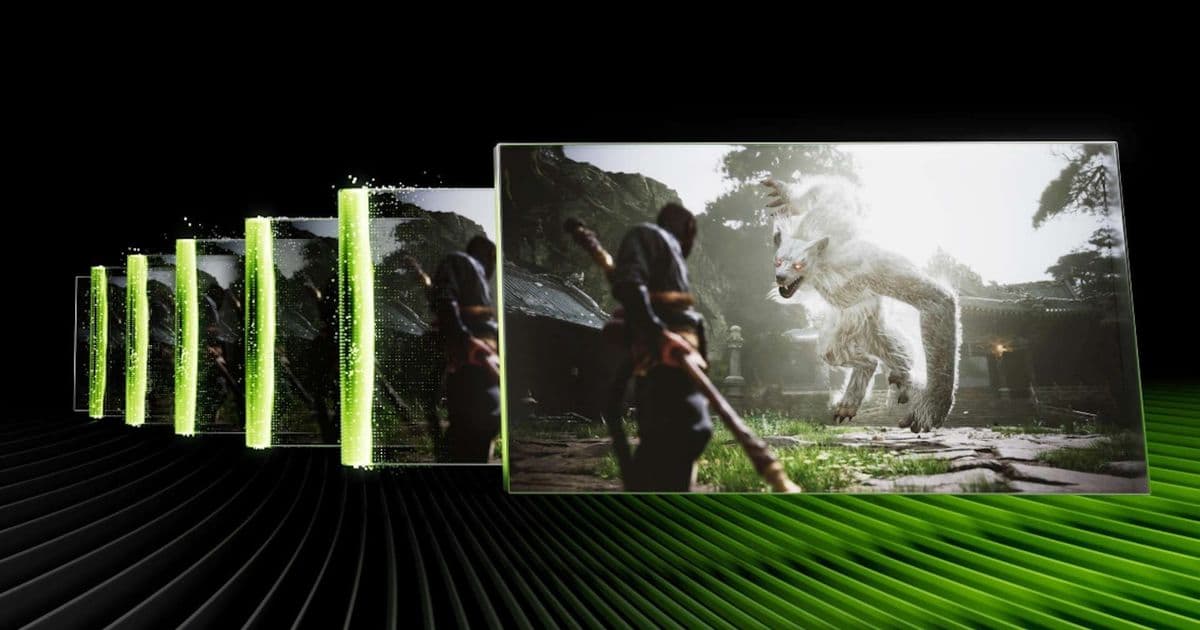
Nvidia releases DLSS 4.5 Dynamic Multi Frame Generation beta with 5X/6X modes and new Preset B model, offering RTX 50 series users unprecedented control over frame rates and high-refresh display optimization.
Nvidia has launched the second half of the DLSS 4.5 feature set today, with the release of DLSS Dynamic Multi Frame Generation, more aggressive 5x and 6x frame-gen multipliers, and a new "enhanced frame generation model" now available in beta. The new tech is available for RTX 50 series users only (with one exception, details below), and can be activated in the Nvidia App through DLSS' override presets for games that don't yet natively support the new tech (yet).
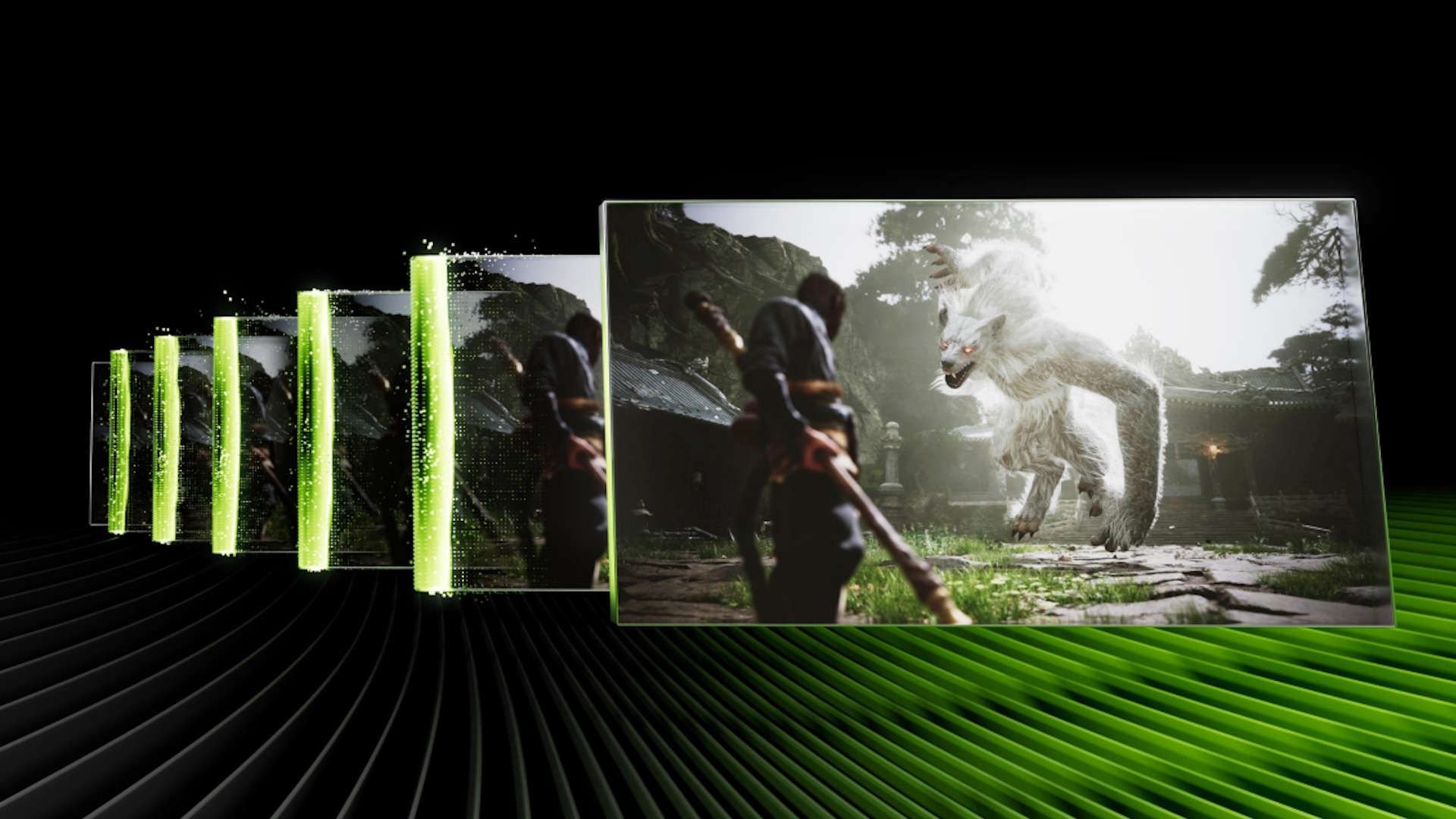
Nvidia first announced DLSS 4.5 in its entirety at CES 2026 in January. DLSS 4.5 multi-frame generation uses Nvidia's 2nd-generation DLSS transformer model to achieve 5x and 6x multi-frame generation on RTX 50 series GPUs while improving image quality. However, somewhat confusingly, Nvidia has also introduced a new "Preset B" frame generation model that improves frame generation image quality in conjunction with the DLSS 4.5 Super Resolution model. This new Preset B model takes into account "additional UI buffers" available to certain game engines to more intelligently render UI elements with fewer artifacts (such as reduced crosshair flickering). The new model can be selected in the Nvidia App frame generation override dropdown menu, dubbed, and is supported on RTX 50 and RTX 40 series GPUs.
Dynamic Frame Generation for High Refresh Rate Displays
The most significant addition in this beta release is the new dynamic frame generation mode that will change the DLSS multiplier on the fly to match the maximum refresh rate of a monitor. If frame rates exceed the monitor's capabilities, DLSS will automatically reduce the multiplier to keep within the refresh rate limits of the display.
These sky-high frame generation multipliers, combined with dynamic frame-gen, are designed to fully saturate the capabilities of 240Hz and 360Hz gaming monitors in graphically challenging titles. The 5x, 6x, and dynamic frame generation tech are RTX 50 series exclusive, just to be clear.
Technical Implementation and Performance Considerations
However, as we've said in previous articles, multi-frame generation is not a tool that will magically make unplayable frame rates playable even on Nvidia's latest graphics cards. If a game is running at 30 FPS and you turn up DLSS to a 6x multiplier to achieve 180 FPS, the game will still feel like it's running 30 FPS. You still need a high base-frame rate to make frame generation work well.
This limitation stems from the fundamental nature of frame generation technology. While DLSS can create intermediate frames between existing ones, it cannot overcome the inherent latency and input lag that comes from a low base frame rate. The generated frames are interpolated based on the previous and next actual frames, meaning the system is always working with outdated information.
The only technology that could potentially change that is Nvidia's Reflex 2 technology, with VR-inspired spatial reprojection, but the technology has been significantly delayed since its announcement and still does not have an official release date.
Preset B Model and UI Rendering Improvements
The new Preset B frame generation model represents a significant advancement in how DLSS handles user interface elements. By leveraging additional UI buffers that are available in certain game engines, this model can more intelligently render UI elements with fewer artifacts.
This addresses one of the most common complaints about frame generation technology: the flickering or ghosting of UI elements, particularly crosshair and reticle artifacts in first-person shooters. The Preset B model's ability to reduce these artifacts while maintaining the benefits of frame generation represents a meaningful improvement in image quality.
Market Position and Future Development
DLSS 4.5 will likely be the last DLSS 4 version as Nvidia shifts development time to the newly announced DLSS 5 model, which has generated quite a stir since its unveiling. This suggests that DLSS 4.5 represents a mature refinement of the existing technology rather than a fundamental breakthrough.
The RTX 50 series exclusivity for the 5x and 6x multipliers, along with dynamic frame generation, highlights the hardware requirements for these advanced features. The increased computational demands of generating five or six frames for every actual frame rendered necessitate the latest GPU architecture.
Availability and Implementation
The beta features are available through the Nvidia App and can be activated through DLSS' override presets for games that don't yet natively support the new tech. This approach allows users to experiment with the new features across their game library, even in titles that haven't been specifically optimized for DLSS 4.5.
For developers, the introduction of Preset B and the dynamic frame generation API provides new tools for optimizing their games' performance on RTX hardware. The ability to leverage UI buffers for better frame generation quality could become a standard feature in future game engines.
Technical Specifications Summary
- Dynamic Multi Frame Generation: Automatically adjusts DLSS multiplier to match monitor refresh rate
- 5x and 6x Frame Generation: Exclusive to RTX 50 series GPUs
- Preset B Model: Improved UI rendering with reduced artifacts, supported on RTX 40 and 50 series
- 2nd-generation DLSS Transformer: Enhanced image quality for multi-frame generation
- Beta Availability: Through Nvidia App with override presets
The release of DLSS 4.5 Dynamic MFG beta represents Nvidia's continued push to maximize the potential of frame generation technology, particularly for competitive gaming scenarios where every frame and millisecond counts. While the technology still has limitations, the improvements in UI rendering quality and the introduction of dynamic adjustment for high refresh rate displays demonstrate meaningful progress in making frame generation more practical and effective for a wider range of gaming scenarios.
Comments
Please log in or register to join the discussion