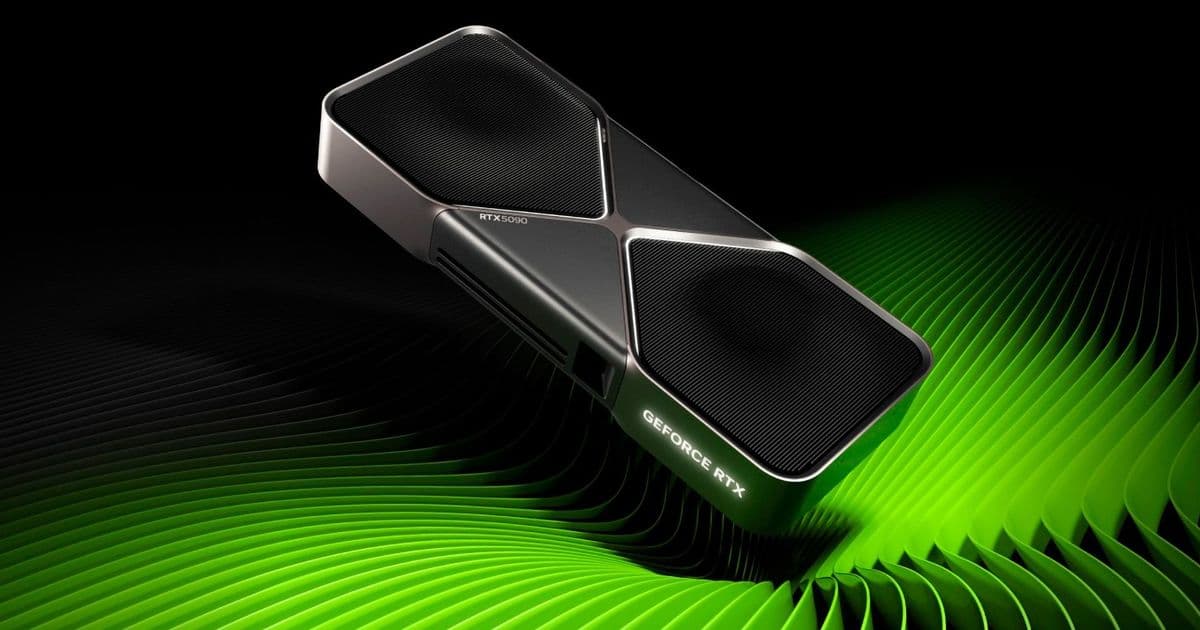
Nvidia reportedly cancels RTX 50 Super refresh and delays next-gen RTX 60 series to 2028 due to memory chip shortages, while prioritizing existing GPU production with lower VRAM configurations.
According to a new report from The Information, Nvidia has canceled plans for an RTX 50 Super refresh and pushed back the entire RTX 60 series launch to 2028, citing severe memory chip shortages that are disrupting the company's GPU roadmap.
No New GPUs in 2026
The report confirms that Nvidia completed the design of its RTX 50 Super refresh lineup but has deprioritized production due to ongoing memory supply constraints. This explains why Nvidia surprised many industry watchers by announcing it would not unveil any new GPUs at CES 2026, breaking a five-year tradition of major GPU announcements at the event.
When approached for comment, Nvidia told Tom's Hardware: "Demand for GeForce RTX GPUs is strong, and memory supply is constrained. We continue to ship all GeForce SKUs and are working closely with our suppliers to maximize memory availability."
RTX 60 Series Pushed to 2028
The RTX 60 series, originally slated for mass production by the end of 2027, is now reportedly delayed until 2028. This represents a significant shift in Nvidia's product cadence, as the company typically maintains a two-year cycle between major GPU architectures.
During CES 2026, rumors had emerged about the RTX 60 series featuring the Rubin architecture, with speculation about an RTX 6090 that could deliver at least 30% better performance than the RTX 5090. However, these plans appear to be on hold as Nvidia grapples with supply chain challenges.
Impact on Existing Product Line
The memory shortage is affecting Nvidia's current GPU lineup as well. The company is reportedly prioritizing RTX 50 series GPUs with lower VRAM capacities to maximize production yields. Industry sources suggest Nvidia has slashed GPU supply by approximately 20% due to these constraints.
Cancelled RTX 50 Super Specifications
While the RTX 50 Super refresh has been canceled, leaked specifications reveal what could have been a significant upgrade over the existing lineup:
RTX 5080 Super (canceled)
- 24GB GDDR7 memory (up from 16GB)
- 415W Total Graphics Power (up from 360W)
RTX 5070 Ti Super (canceled)
- 24GB GDDR7 memory (up from 16GB)
- 350W TGP (up from 300W)
RTX 5070 Super (canceled)
- 6,400 CUDA cores (up from 6,144)
- 18GB GDDR7 memory (up from 12GB)
- 275W TGP (up from 250W)
Market Implications
This delay has significant implications for the gaming GPU market. With no new high-end releases in 2026, the current RTX 50 series will likely remain the flagship offering for an extended period. This could benefit AMD, which may have an opportunity to gain market share with its RDNA 4 architecture if it can maintain its product roadmap.
For consumers, the delay means that those considering GPU upgrades may need to wait longer for next-generation performance improvements. However, it could also lead to more competitive pricing on current-generation hardware as Nvidia works to clear existing inventory.
Jensen Huang's Strategy
In response to these challenges, Nvidia CEO Jensen Huang is reportedly exploring strategies to keep the market fresh despite the lack of new hardware launches. This includes potentially resurrecting older GPU models and configurations to maintain product diversity and meet varying market demands.
Looking Ahead
While the RTX 60 series delay to 2028 represents a significant setback for Nvidia's product roadmap, the company's strong position in the gaming GPU market and its dominance in AI and data center applications provide a buffer against potential market share losses. The memory shortage appears to be a temporary constraint rather than a fundamental shift in the GPU market dynamics.
The situation underscores the fragility of the global semiconductor supply chain and how memory shortages can ripple through the entire technology ecosystem, affecting product launches and market strategies for even the largest players in the industry.

Comments
Please log in or register to join the discussion