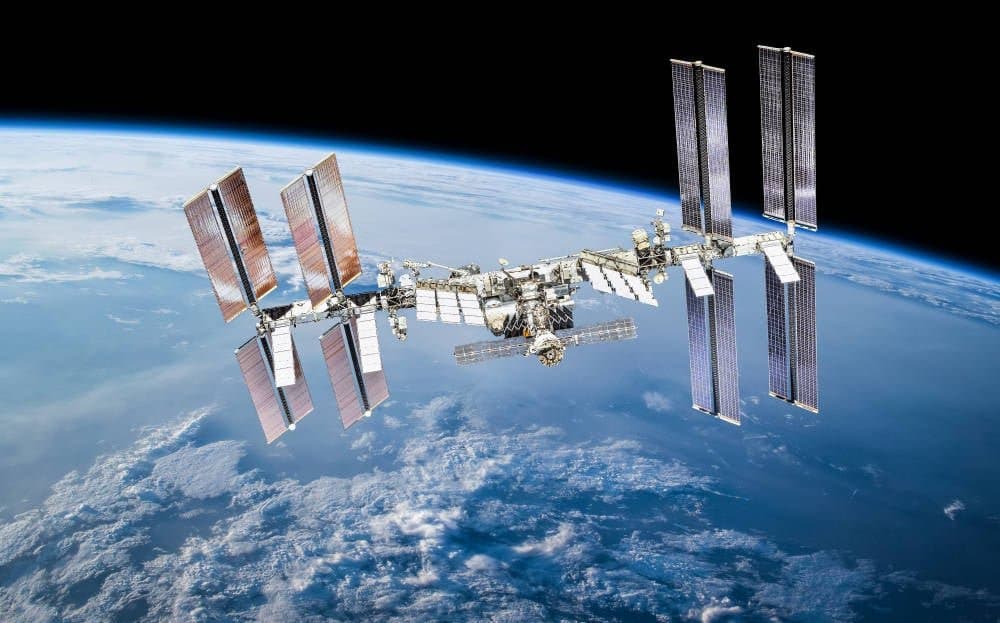
US lawmakers have requested NASA analyze the feasibility of boosting the International Space Station to a higher orbit rather than destroying it when operations end in 2030, raising questions about long-term preservation versus debris risks.
US lawmakers have asked NASA to look into storing the International Space Station (ISS) in a higher orbit at the end of its operational life, instead of sending the structure hurtling into the ocean when the time comes. The question came up during the markup of the NASA Reauthorization Act and raises an intriguing possibility. Could the multi-billion-dollar complex be sent to a higher orbit where future generations might find a use for it, rather than destroyed?
To be clear, the amendment offered by Reps. Whitesides (D-CA) and Begich (R-AK) and passed by voice vote was not about changing the plan to end ISS operations in 2030, but instead asked whether the ISS could be stored in a higher, stable orbit once it reached the end of its useful life. Whitesides explained that the amendment required NASA to conduct an analysis of the costs and risks of storing the ISS in orbit. It did not mandate relocation, nor did it authorize funding or the execution of any such plan.
It is, however, worth pondering as the ISS nears the end of its life. In 2024, SpaceX was awarded the contract to build a vehicle to de-orbit the ISS. The vehicle is expected to be ready by 2029, ahead of a planned push to send the ISS into the Earth's atmosphere. But the alternative is intriguing: It is technically possible to boost the orbit, though it would require building a vehicle to do so. The bigger question is whether doing so is worth the risks involved.
NASA has already performed an evaluation and concluded that the chance of something hitting the ISS would increase as the orbit was raised, from an estimated 51 years between impacts at its current altitude to less than four years at 497 miles. Complete fragmentation could be catastrophic. Whitesides acknowledged some of those risks in the amendment. The ISS is aging and could shed components in the future, posing a potential debris risk. There is also the possibility of a future uncontrolled re-entry.
It is, however, an interesting thought experiment. Another markup, introduced and later withdrawn, came from Rep. Don Beyer (D-VA) regarding the controversial requirement to relocate a space vehicle to Houston. NASA is widely expected to move Space Shuttle Discovery from its current resting place at the Smithsonian Museum to a facility in Texas, although it's not confirmed this yet. Beyer's markup would have required NASA to inform Congress of the cost "and potential for physical harm" to the space vehicle before kicking off the process. The markup was withdrawn on the understanding that discussions would be had on the relocation "without damaging the vehicle, preserving the integrity of our assets for generations to come."
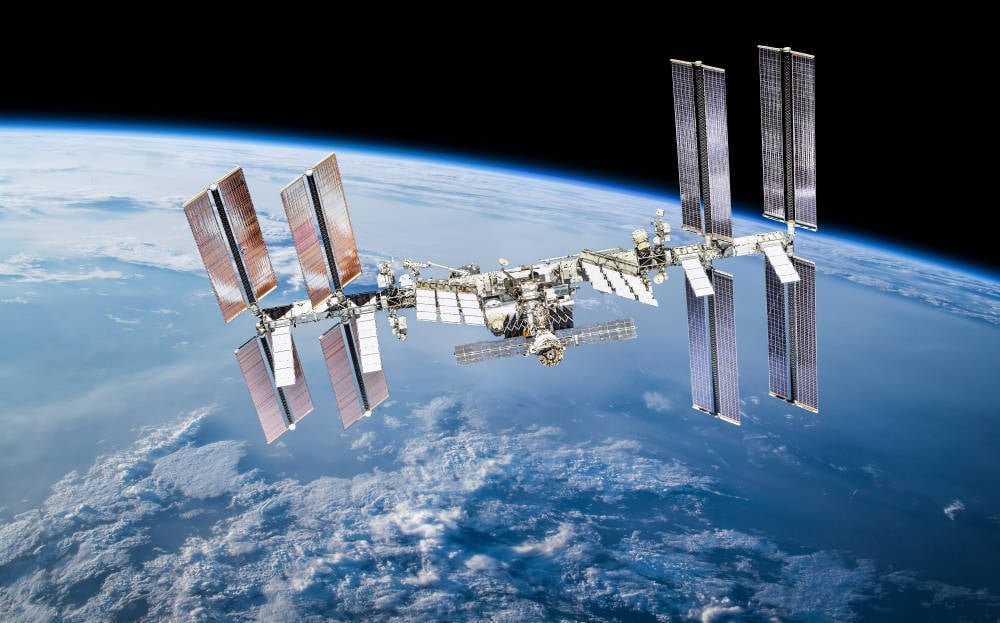
The ISS represents one of humanity's most ambitious engineering achievements, a testament to international cooperation that has orbited Earth for over two decades. As the station approaches its planned retirement in 2030, the question of its final disposition has taken on new urgency. The current plan involves a controlled deorbit, with the station burning up in the atmosphere over the South Pacific Ocean, far from populated areas.
However, the prospect of preserving this orbital laboratory for future use has captured the imagination of lawmakers and space enthusiasts alike. The amendment's passage signals growing interest in exploring alternatives to complete destruction. The ISS cost approximately $150 billion to build and maintain, making the idea of simply discarding it seem wasteful to many observers.
Technical challenges abound in any attempt to boost the station to a higher orbit. The ISS currently orbits at approximately 250 miles above Earth. Raising it to a "graveyard orbit" would require significant propulsion capabilities and careful planning to ensure the station remains stable and safe. The aging structure, with components dating back to the 1990s, presents additional complications.
Space debris experts have raised concerns about the long-term implications of placing the ISS in a higher orbit. While the station would be removed from the busy low Earth orbit region where most satellites operate, it would still pose collision risks. The probability of impacts increases dramatically at higher altitudes, as NASA's own analysis has shown.
The debate reflects broader questions about space sustainability and the responsible management of orbital assets. As more nations and private companies launch satellites and space stations, the need for clear protocols regarding end-of-life disposal becomes increasingly important. The ISS could serve as a test case for developing these protocols.
Some space policy experts suggest that even if the ISS cannot be practically preserved in orbit, the analysis required by the amendment could yield valuable insights for future space station designs. Understanding the costs and risks associated with orbital storage could inform decisions about how to build and operate the next generation of space habitats.
The timing of this legislative action is significant, coming as NASA and its international partners work to develop commercial replacements for the ISS. Companies like Axiom Space are already planning to launch commercial space station modules, potentially creating a new ecosystem of orbital facilities. The lessons learned from the ISS experience, including how to handle its retirement, will be crucial for these emerging ventures.
For now, the amendment represents a modest but meaningful step toward reconsidering the fate of humanity's largest space structure. While it stops short of mandating any changes to current plans, it ensures that the possibility of orbital storage will receive serious consideration. The results of NASA's analysis could shape not only the ISS's final chapter but also influence how we approach the lifecycle management of space infrastructure for decades to come.
Comments
Please log in or register to join the discussion