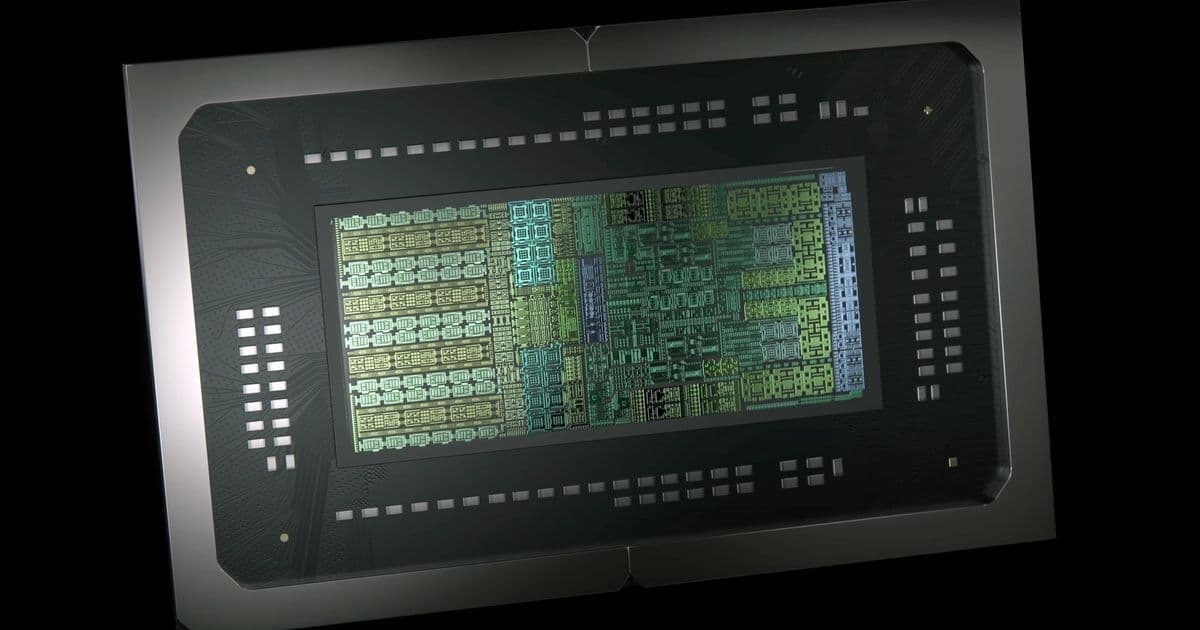
Nvidia's consumer-focused Arm SoCs are progressing toward market release, with N1X-powered Windows laptops scheduled for Q1 2026 and next-gen N2 chips targeting Q3 2027, signaling potential disruption to x86 mobile dominance.

Supply chain sources confirm Nvidia's long-awaited consumer Arm processors are advancing toward commercialization, with DigiTimes reporting finalized production timelines for the N1X platform. According to manufacturing partners, Windows-on-Arm laptops featuring Nvidia's N1X system-on-chip will enter mass production in Q1 2026, targeting consumer markets initially. Three enterprise-focused variants will follow in Q2 2026, with the next-generation N2 series scheduled for Q3 2027.
Technical specifications reveal the N1X combines a 20-core ARM CPU cluster with integrated graphics equivalent to Nvidia's discrete RTX 5070-class GPUs. This configuration delivers approximately 28 TFLOPS of FP32 compute performance - nearly triple AMD's projected Strix Halo APU output. The architecture employs TSMC's 3nm process node with chiplet packaging, allowing scalability across consumer and datacenter applications. Enterprise-grade N1 variants already power Nvidia's DGX Spark AI workstations, where the chip demonstrates 1.8x perf-per-watt advantages over x86 competitors in AI inference workloads.
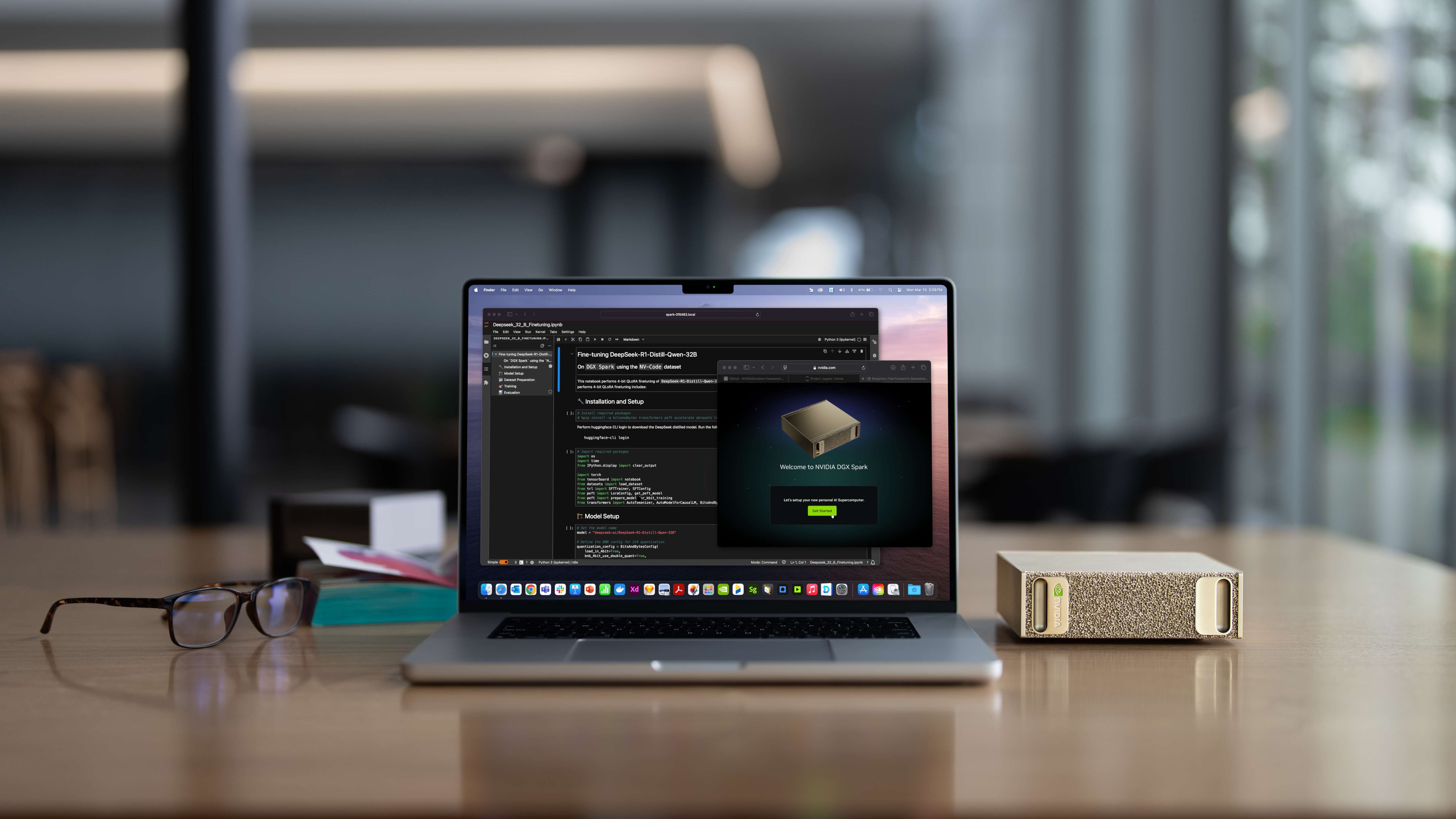
Market implications center on pricing dynamics and competitive displacement. While initial N1X laptop pricing was projected at $799-$1,199 during early development, current DRAM/NAND flash costs combined with AI-driven semiconductor demand could push consumer devices 15-20% higher. This positions Nvidia against AMD's Strix Halo and Qualcomm's Snapdragon X Elite in the premium thin-and-light segment. Industry analysts note Nvidia's parallel $5 billion partnership with Intel for x86 RTX SoCs creates strategic flexibility, allowing them to hedge against potential Windows-on-Arm adoption hurdles.
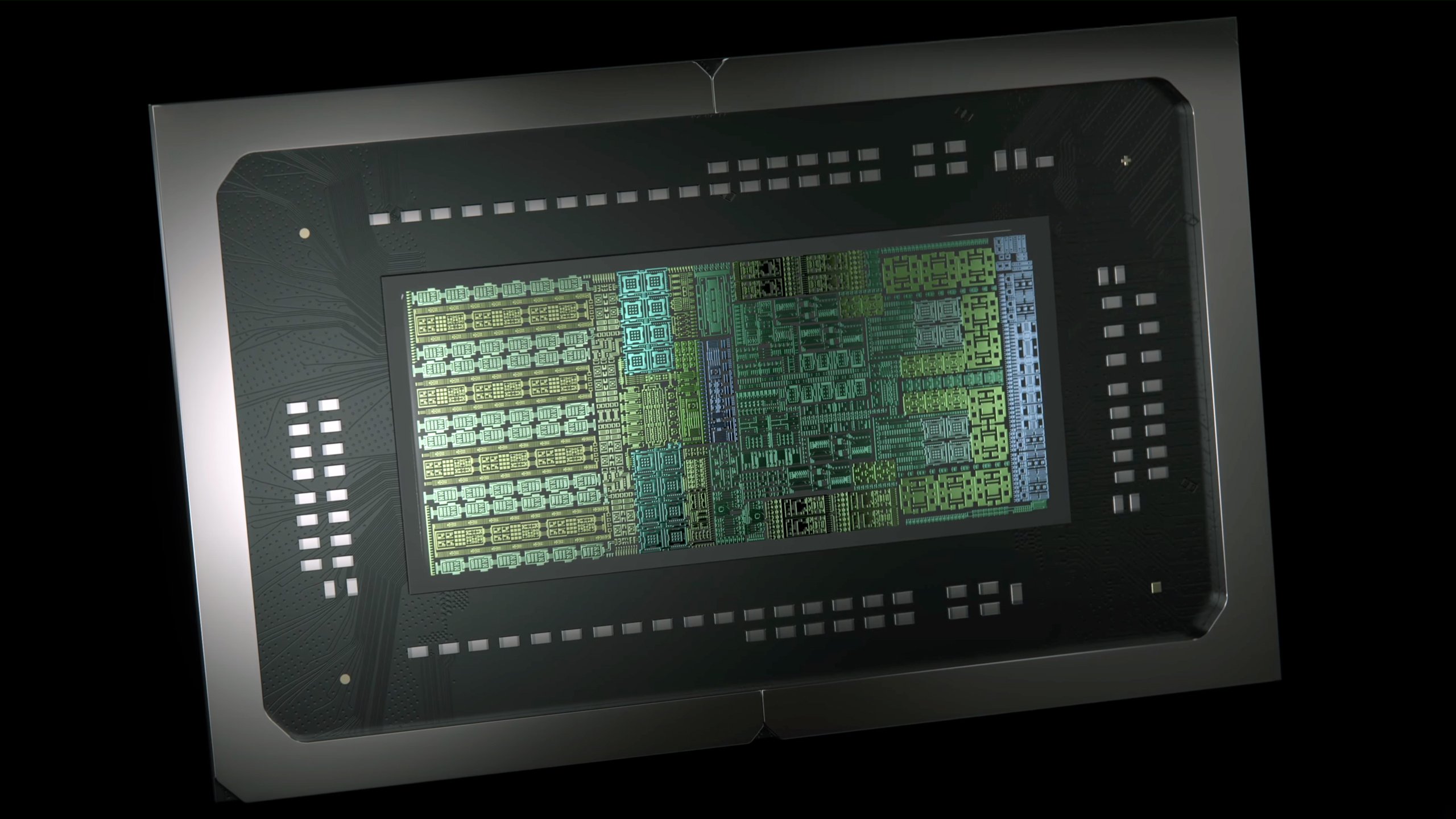
The roadmap acceleration follows Dell's prototype laptop sighting featuring unreleased N1X silicon. With Apple's M-series demonstrating Arm's consumer viability, Nvidia's entry could finally catalyze Windows ecosystem transition. However, the delayed Q1 2026 launch window - missing CES 2026 by months - suggests ongoing yield challenges at 3nm. If production timelines hold, Nvidia's dual-track strategy (Arm-based N-series and Intel-collaborated x86 chips) positions them to capture 18-22% of the premium mobile market by 2028 according to TechInsights projections.

Hassam Nasir is a semiconductor analyst with 12 years of industry experience covering fab economics and processor architectures. His water-cooled test bench currently benchmarks 11 mobile SoC platforms.
Comments
Please log in or register to join the discussion