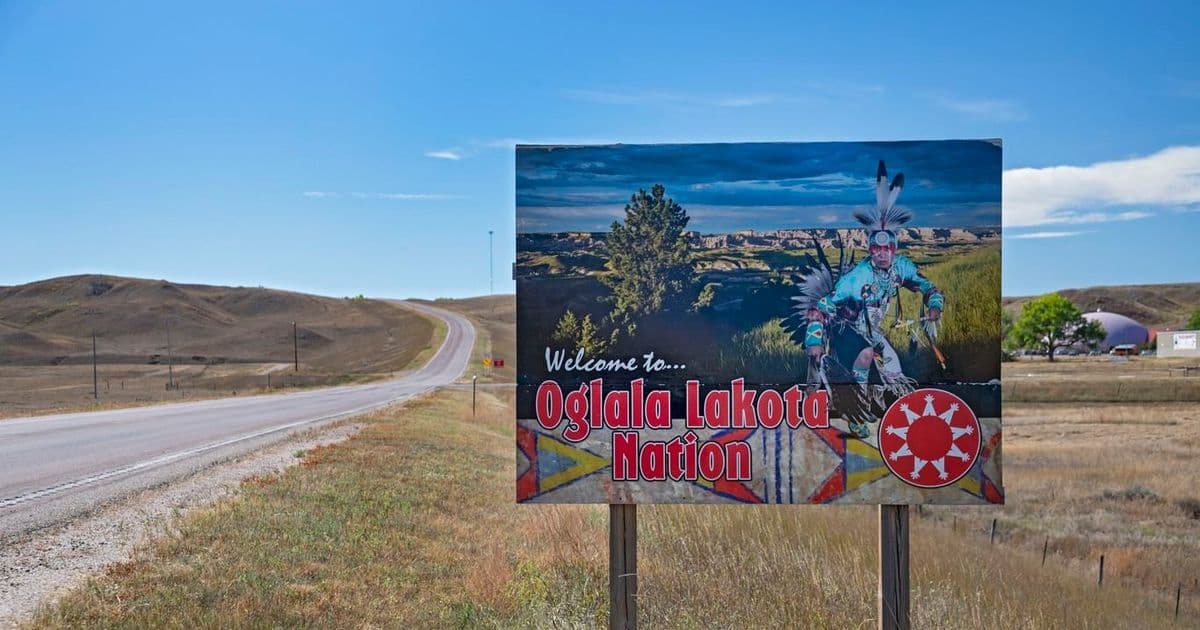
The Oglala Sioux Tribe says Immigration and Customs Enforcement is detaining tribal members on the Pine Ridge Indian Reservation, raising jurisdictional questions and concerns about the federal agency's authority within tribal lands.
The Oglala Sioux Tribe announced that Immigration and Customs Enforcement agents are holding tribal members on the Pine Ridge Indian Reservation, a development that highlights complex jurisdictional issues between federal immigration enforcement and tribal sovereignty.
Federal Authority on Tribal Lands
ICE operations on the Pine Ridge reservation create immediate questions about jurisdiction. Under federal law, tribal lands maintain a unique legal status, yet immigration enforcement falls under federal authority. This creates tension when immigration agents operate within reservation boundaries to detain tribal members who are U.S. citizens by birthright.
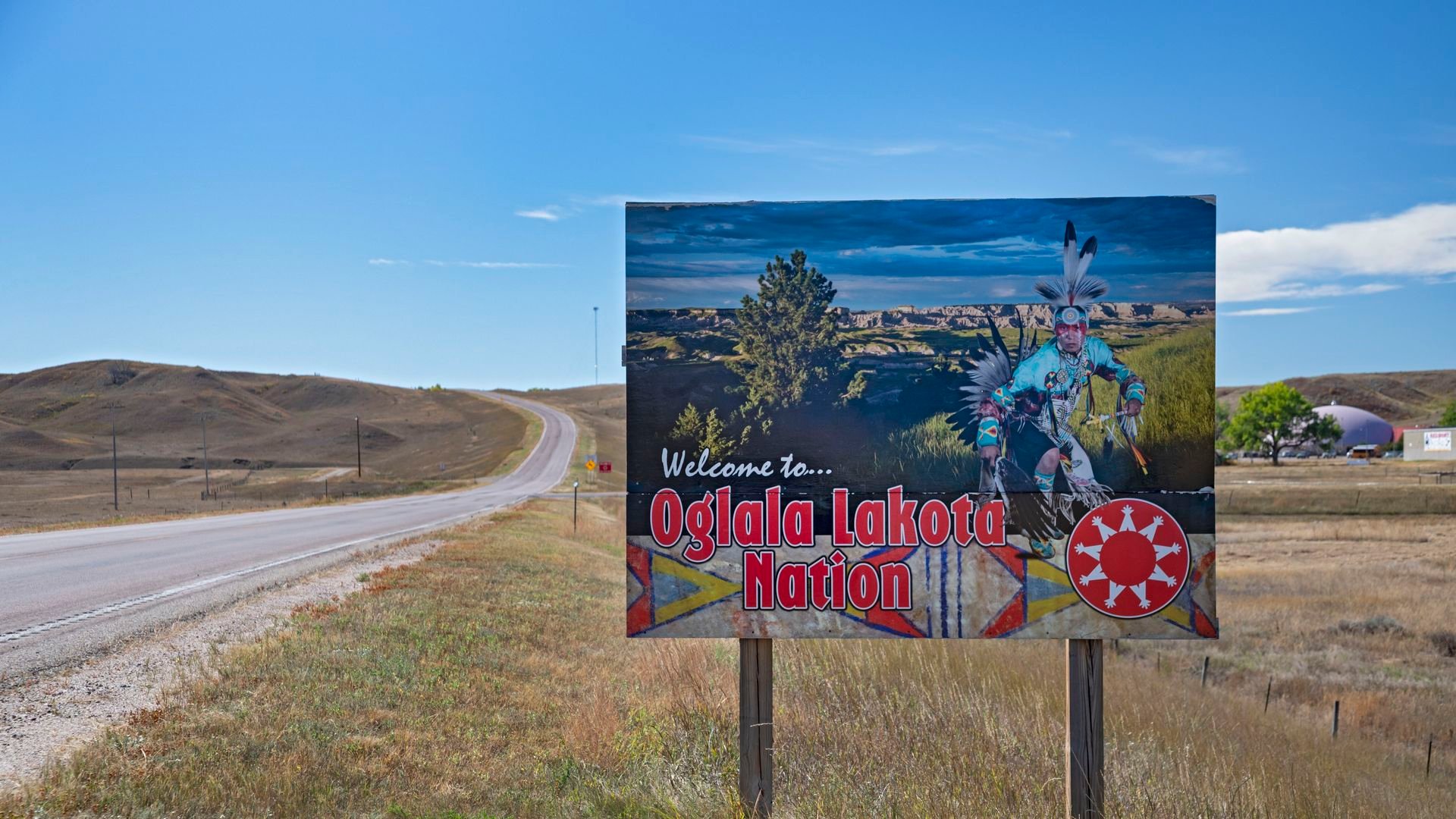
The Pine Ridge Indian Reservation spans over 2.7 million acres in southwestern South Dakota, home to approximately 20,000 members of the Oglala Lakota Nation. The reservation operates under the Oglala Sioux Tribe's governance, yet federal agencies maintain certain enforcement powers.
Pattern of Federal-Tribal Conflict
This incident represents a broader pattern of friction between tribal nations and federal immigration authorities. Similar situations have occurred across Indian Country, where tribal members have been questioned, detained, or deported despite establishing their citizenship through tribal documentation.
The core issue centers on documentation and verification. Many tribal members carry tribal identification cards issued by their nations, yet these documents sometimes face skepticism from federal agents unfamiliar with tribal sovereignty. Some tribal members lack state-issued birth certificates, creating complications during encounters with federal law enforcement.
Legal Framework and Sovereignty
The Supreme Court's 1978 decision in United States v. Wheeler affirmed tribal nations' inherent sovereignty to prosecute tribal members for crimes committed on reservation lands. However, the Major Crimes Act and other federal statutes reserve certain serious crimes for federal prosecution.
Immigration enforcement operates under different legal principles. The Supreme Court's 2021 decision in United States v. Cooley clarified that tribal police can detain and search non-Indians on reservations, but the question of tribal authority over immigration matters remains unresolved.
Community Impact
For the Oglala Sioux Tribe, these detentions affect community cohesion and trust. Tribal leaders express concern that immigration enforcement actions create fear among tribal members, even those with clear citizenship status. The psychological impact extends beyond those directly detained.
The Pine Ridge reservation faces economic challenges, with unemployment rates historically exceeding 80%. Immigration enforcement actions can further destabilize an already fragile economy by removing workers and creating uncertainty for families.
Next Steps
The Oglala Sioux Tribe has not released specific details about the number of tribal members detained or the circumstances of their arrests. Tribal attorneys and the Native American Rights Fund may pursue legal challenges if the detentions exceed federal authority or violate tribal sovereignty.
Federal immigration policy under the current administration has shifted toward more enforcement-focused approaches, potentially increasing the frequency of such operations. Tribal nations across the country watch this case as precedent for their own relationships with federal immigration authorities.
The situation underscores the need for clear protocols between federal agencies and tribal governments regarding enforcement actions on tribal lands. Without formal agreements or memorandums of understanding, these conflicts will likely continue as immigration enforcement priorities evolve.
Comments
Please log in or register to join the discussion