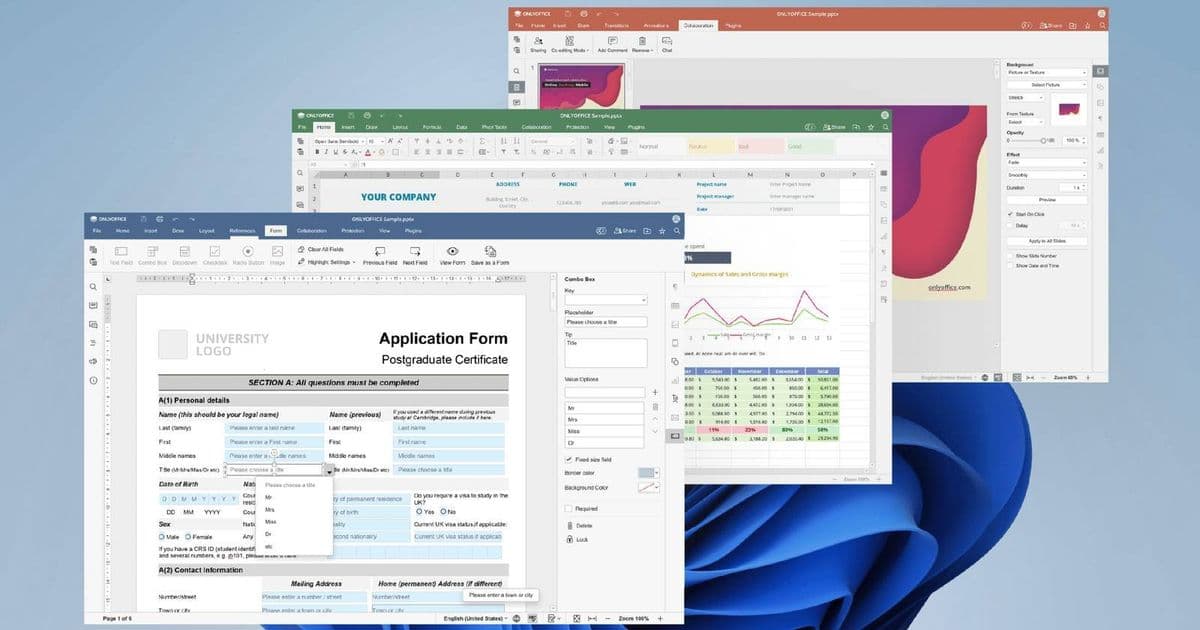
OnlyOffice has suspended its long-standing partnership with Nextcloud, citing licensing violations and boundary breaches related to the Euro-Office fork.
OnlyOffice has officially suspended its eight-year partnership with Nextcloud, marking a significant fracture in the open-source office software ecosystem. The decision comes in response to what OnlyOffice describes as licensing violations and concerning partnership conduct related to the newly launched Euro-Office project.
The Licensing Dispute at the Heart of the Conflict
The controversy centers on Euro-Office, a fork of OnlyOffice's codebase that was publicly released on March 30th through a collaboration between Nextcloud and IONOS. According to OnlyOffice, Euro-Office has violated the AGPLv3 license by failing to properly attribute the original technology and retain ONLYOFFICE branding in derivative works.
In its GitHub project readme, Euro-Office acknowledges its foundation on ONLYOFFICE's AGPL codebase, stating it is "being extensively reviewed and cleaned up, with the goal of making it easy to build and contribute to." However, OnlyOffice contends that Euro-Office has not fully complied with open-source distribution obligations, specifically citing:
- Failure to preserve ONLYOFFICE branding in derivative works
- Inadequate attribution to the original technology
- Non-compliance with open-source distribution requirements
Euro-Office's leadership has publicly stated their intention to "liberate" OnlyOffice's codebase, a position that OnlyOffice views as incompatible with proper open-source collaboration.
Partnership Suspension and Boundary Concerns
Beyond the licensing issues, OnlyOffice's decision to suspend the partnership stems from what it describes as "several signals" of problematic behavior. In a detailed blog post, OnlyOffice outlined concerns about Nextcloud's conduct:
"We observed repeated attempts to move beyond the agreed boundaries of cooperation, including efforts to build independent commercial offerings around our technology without proper alignment, as well as coordinated outreach targeting our employees and customers, comprising attempts to recruit our team members and influence customers' perceptions of ONLYOFFICE in ways that raised serious concerns about fair and responsible partnership conduct."
These allegations suggest a breakdown in trust that extends beyond the technical licensing dispute to encompass broader concerns about competitive behavior and employee recruitment.
Implications for the Open-Source Office Suite Market
The suspension of this partnership represents a significant shift in the open-source office software landscape. OnlyOffice and Nextcloud had maintained a collaborative relationship for eight years, with OnlyOffice providing its office suite as a connector for Nextcloud's file hosting platform.
While OnlyOffice has stated it will continue supporting its connector for Nextcloud, the company indicates that deeper collaboration is unlikely in the near future. This development could impact users who have come to rely on the integrated experience between these two platforms.
The Future of Euro-Office and OnlyOffice
Despite OnlyOffice's objections, Euro-Office continues to distribute its forked software. The project's stated goal of "liberating" OnlyOffice's codebase suggests that reconciliation between the two parties may be difficult to achieve in the short term.
For users and organizations invested in either platform, this dispute highlights the complex dynamics that can emerge in open-source communities, particularly when commercial interests intersect with collaborative development models. The situation also underscores the importance of clear licensing compliance and the potential consequences when partnerships between major open-source projects deteriorate.
As the open-source office suite market continues to evolve, this conflict may influence how other projects approach partnerships, licensing, and the management of derivative works. The outcome could set precedents for how similar disputes are handled in the future, particularly in cases where forks are created with the explicit intention of competing with the original project.
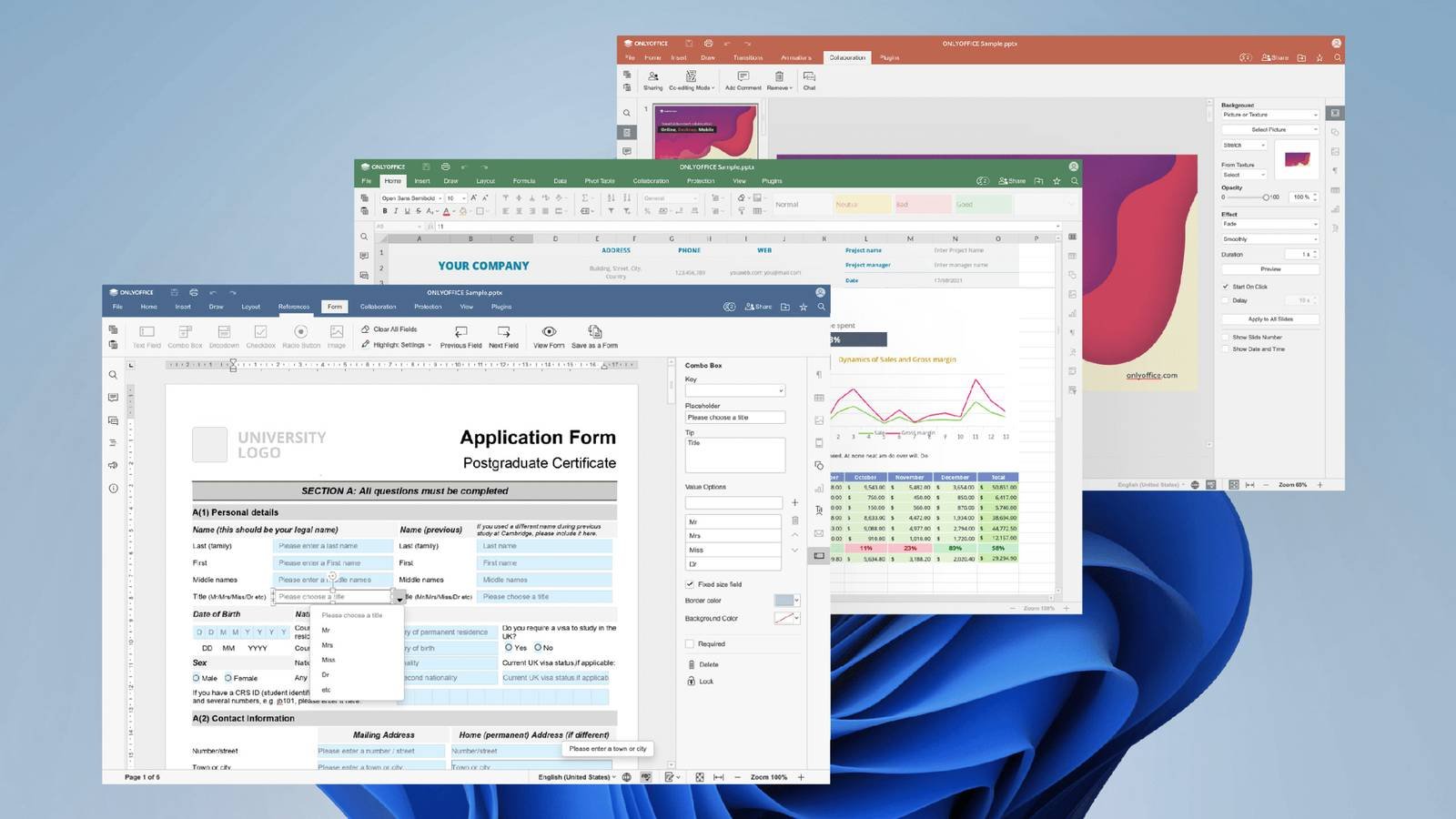
For now, users of both platforms will need to monitor developments closely, as this dispute could lead to diverging feature sets, compatibility issues, or changes in how the two platforms integrate with each other in the future.
Comments
Please log in or register to join the discussion