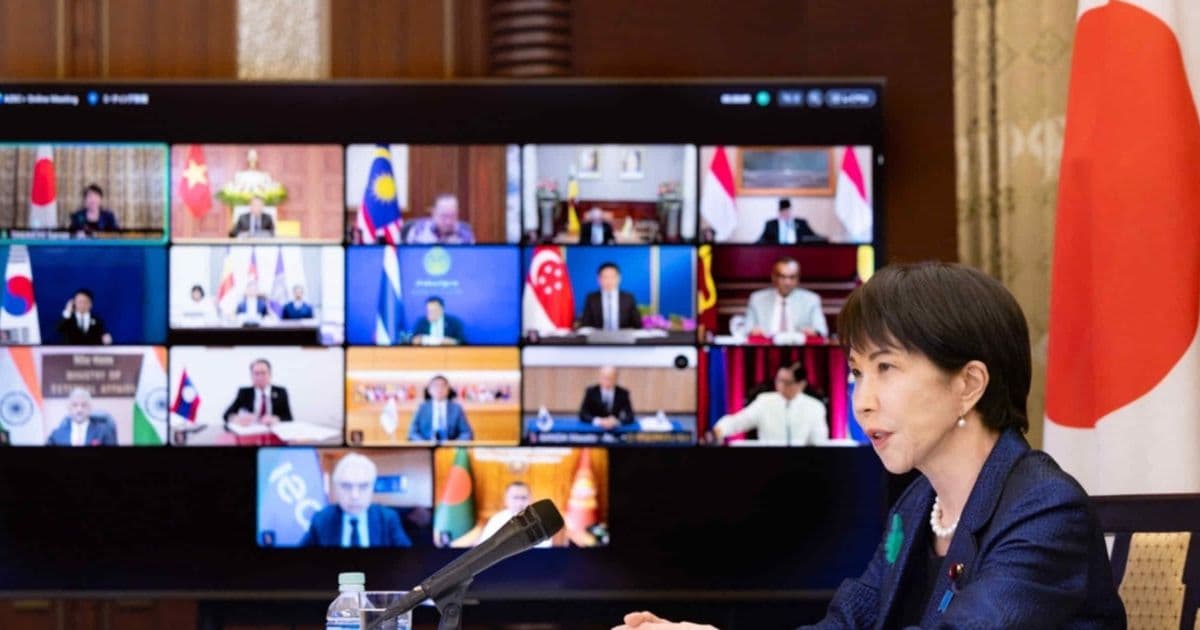
Tokyo is deploying a $10 billion aid package, diversifying petrochemical imports and tightening domestic supply chains to blunt the impact of the Iran‑War oil disruption, with implications for inflation, industrial costs and regional energy security.
Japan’s rapid response to the Iran‑War oil shock
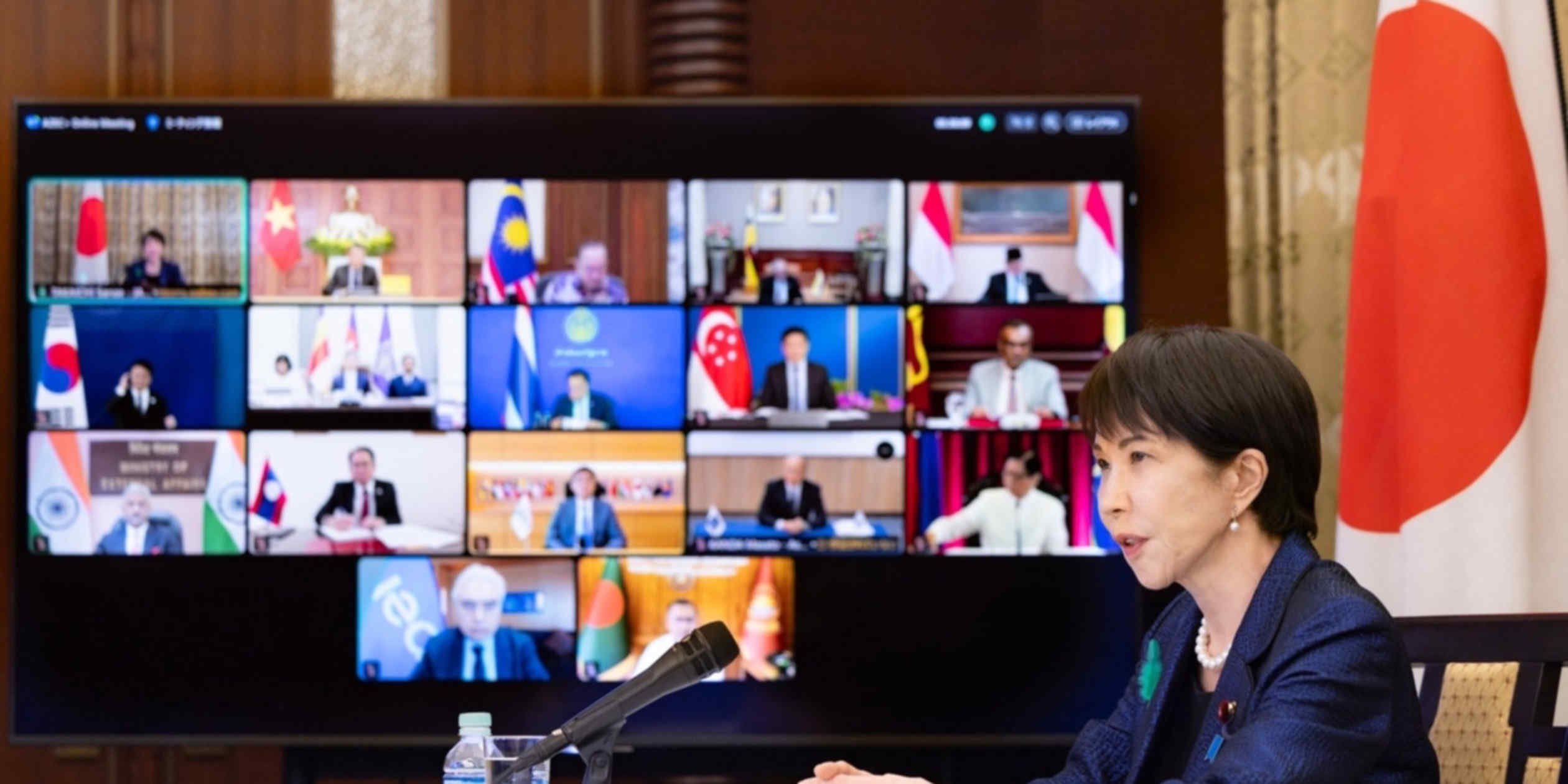 Tokyo’s Ministry of Economy, Trade and Industry (METI) has moved swiftly to mitigate the fallout from the abrupt shutdown of the Strait of Hormuz, a key conduit for Middle‑East crude. On the second floor of METI’s headquarters, officials are coordinating a multi‑pronged effort that includes a $10 billion assistance package for Asian economies facing oil shortages, a push to secure alternative petrochemical feedstocks, and tighter controls on domestic inventories.
Market context: why the shock hits harder now
The Iran‑War escalated in early 2026, causing a 30 % drop in global crude flows through Hormuz within weeks. Japan, which imports roughly 80 % of its oil and 70 % of its naphtha, felt the pinch almost immediately. Unlike the 1973 oil crisis, today’s market is more integrated, but also more vulnerable to geopolitical chokepoints because of just‑in‑time logistics and limited strategic reserves.
- Petrochemical imports: Japan’s naphtha imports fell from 2.1 million bbl/day in Q1 2026 to 1.4 million bbl/day by mid‑May, pushing domestic producers to tap stockpiles that were originally earmarked for the automotive sector.
- Inflation pressure: The Consumer Price Index (CPI) rose 0.8 percentage points month‑over‑month in April, driven largely by fuel and food price spikes.
- Supply‑chain strain: Key downstream industries—automotive, plastics, and food packaging—reported raw‑material shortages that could shave up to 0.5 % off Q3 GDP growth if unaddressed.
What the Japanese strategy entails
1. Financial support for regional partners
Prime Minister Sanae Takaichi announced a $10 billion fund to help neighboring countries secure alternative oil supplies. The fund will be disbursed through low‑interest loans and direct purchase agreements, aiming to stabilize regional demand and prevent a price spiral that would feed back into Japan’s own import costs.
2. Diversifying feedstock sources
METI is fast‑tracking contracts with South‑Korea, Taiwan and the United Arab Emirates to import naphtha and ethylene. Early‑stage negotiations suggest a 15 % increase in non‑Middle‑East petrochemical imports by the end of 2026, enough to keep Japanese refineries operating at 85 % capacity despite the Hormuz shutdown.
3. Strengthening strategic reserves
Japan’s strategic petroleum reserve (SPR) sits at 5.2 million bbl, roughly 90 days of consumption. The government has approved an additional 1.5 million bbl drawdown for emergency release, coupled with a plan to replenish the SPR within 12 months using newly secured contracts.
4. Domestic supply‑chain safeguards
Local banks and prefectural governments are extending short‑term credit lines to small and medium‑sized enterprises (SMEs) in the chemicals and plastics sectors. This move is designed to prevent cash‑flow bottlenecks that could force producers to halt production lines.
Strategic implications for Japan and the region
- Inflation containment: By cushioning import costs, the measures aim to keep core CPI growth below 2 % for the fiscal year, aligning with the Bank of Japan’s target range.
- Industrial competitiveness: Securing stable feedstock supplies protects the auto and electronics sectors, which together account for 30 % of Japan’s export value.
- Geopolitical leverage: The assistance fund positions Japan as a regional stabilizer, potentially deepening economic ties with Southeast Asian nations that are also vulnerable to Hormuz disruptions.
- Long‑term resilience: The crisis underscores the need for a more diversified energy mix. Analysts expect accelerated investment in hydrogen, LNG and renewable fuels, with projected government subsidies of ¥1.2 trillion over the next five years.
Bottom line
Japan’s high‑gear response blends immediate financial aid, rapid diversification of petrochemical imports, and reinforced domestic supply‑chain financing. While the measures should blunt the short‑term inflationary shock, they also signal a strategic shift toward greater energy security and regional influence. The success of these initiatives will hinge on the speed of new contracts, the ability of SMEs to absorb credit, and the broader geopolitical trajectory of the Iran‑War conflict.
Comments
Please log in or register to join the discussion