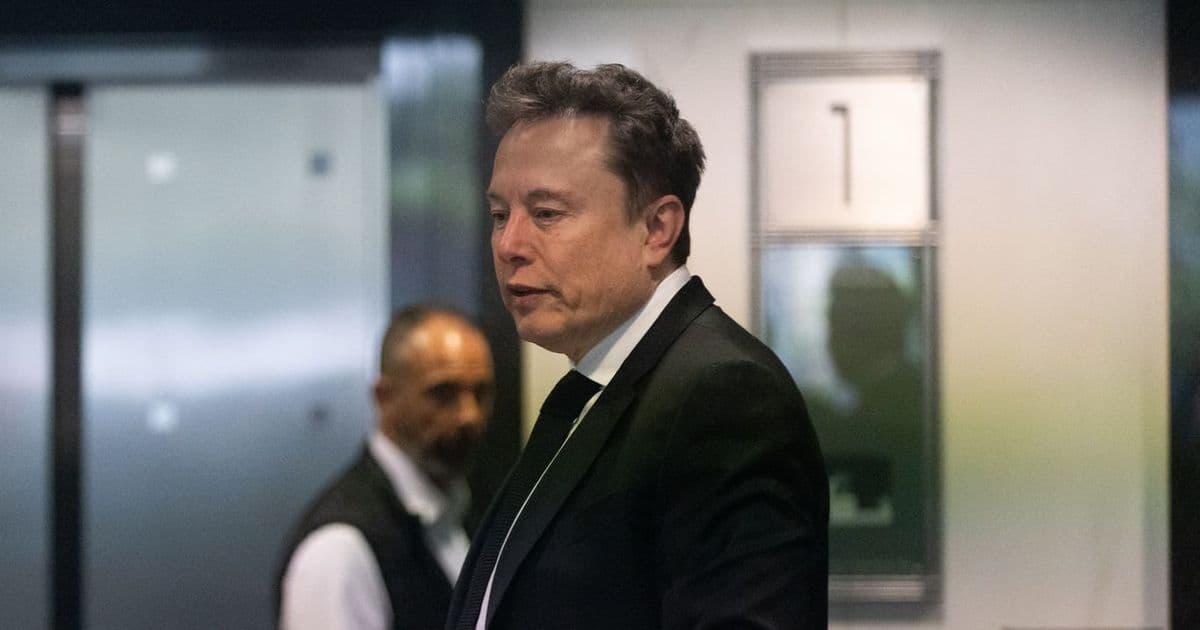
A federal jury awarded OpenAI $475 million in damages after finding Elon Musk’s lawsuit over alleged AI patent infringement was without merit, a decision that could reshape litigation strategies in the fast‑growing generative‑AI sector.
Jury Rules Against Elon Musk in Landmark AI Patent Trial
A federal jury in San Francisco has ordered Elon Musk to pay $475 million to OpenAI, concluding that his lawsuit alleging patent infringement by the company’s GPT‑4 model was unfounded. The verdict, delivered on Thursday, marks one of the largest damages awards in the emerging field of generative‑AI intellectual‑property disputes.
Market Context
The case stemmed from a 2022 complaint filed by Musk’s XAI venture, which claimed OpenAI’s language‑model architecture violated patents covering transformer‑based attention mechanisms. While the patents in question date back to 2017, the rapid commercialization of large‑scale models has intensified scrutiny over who owns the underlying technology.
The $475 million judgment dwarfs the typical settlements seen in AI patent cases, which usually fall in the low‑to‑mid‑seven‑figure range. For comparison, the 2023 dispute between Google and a consortium of AI startups resulted in a $23 million settlement. The size of the award reflects both the jury’s view of OpenAI’s market position—its 2023 revenue topped $2.2 billion—and the perceived strategic value of its models to the broader tech ecosystem.
What It Means for the Industry
Higher Litigation Risk for Patent Claims – The verdict signals that courts may be less tolerant of broad, retroactive patent assertions against established AI platforms. Companies developing large language models will likely reassess the cost‑benefit of pursuing or defending patent actions, especially when the defendant’s valuation runs into billions.
Impact on Venture Funding – Investors have already been cautious about funding AI startups with ambiguous IP positions. This ruling could tighten due diligence standards, prompting venture firms to demand clearer freedom‑to‑operate analyses before committing capital.
Potential Consolidation of Patent Portfolios – Smaller firms that hold early‑stage transformer patents may become attractive acquisition targets for larger AI players seeking defensive shields. The market could see a wave of M&A activity aimed at bundling patents into more defensible portfolios.
Regulatory Attention – Lawmakers have expressed concern that fragmented patent litigation could hinder AI innovation. The outcome may accelerate discussions in Congress about establishing clearer guidelines for AI‑related intellectual property, potentially leading to new legislative frameworks.
OpenAI’s Financial Position – Despite the sizable award, OpenAI’s cash reserves—bolstered by a recent $10 billion infusion from Microsoft—should comfortably absorb the payment. The company has indicated the funds will be allocated to further research and to expand its cloud partnership ecosystem.
Looking Ahead
The verdict is not final; Musk’s legal team has filed a motion for a new trial, arguing that the damages exceed reasonable compensation for any alleged infringement. If the motion succeeds, the case could return to the bench, extending the timeline for a definitive resolution.
Regardless of the appeal’s outcome, the ruling sets a benchmark for how courts may evaluate patent claims in the AI domain. Stakeholders—from startup founders to multinational cloud providers—will need to factor this precedent into their risk assessments and strategic planning.
For a deeper dive into the patent filings at the heart of the dispute, see the U.S. Patent and Trademark Office listings and the full jury opinion released by the Northern District of California.
Comments
Please log in or register to join the discussion