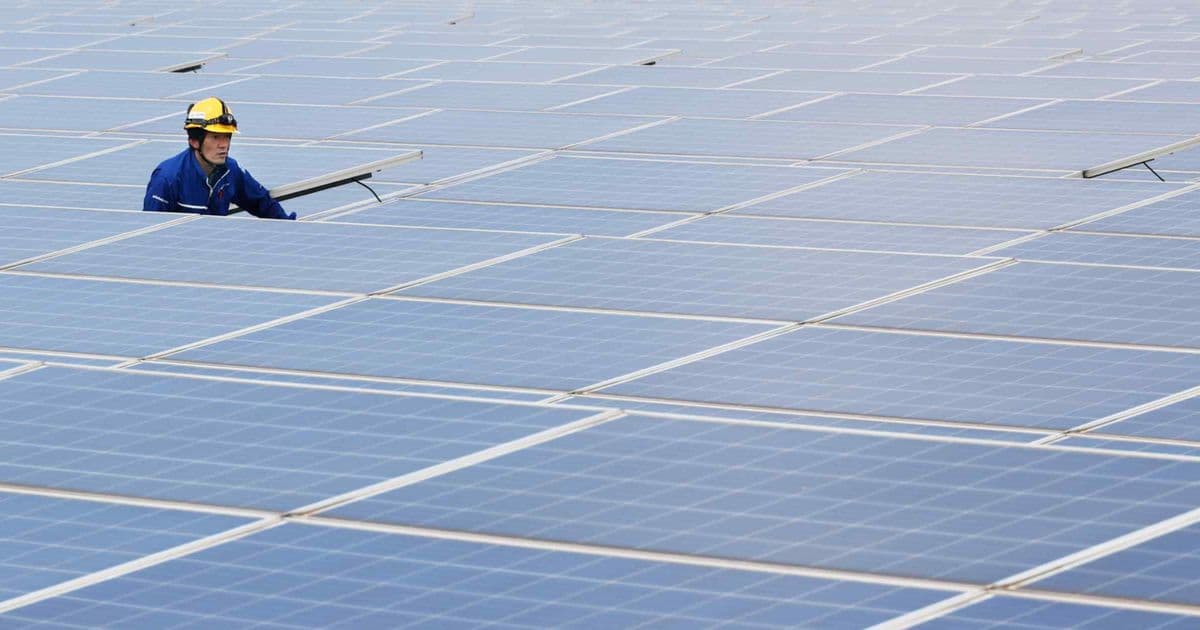
Daiwa Securities Group will invest 100 billion yen ($630 million) in battery storage projects across Japan through 2030, targeting the growing electricity needs of semiconductor fabs and AI‑driven data centres. The move reflects accelerating renewable‑energy integration, rising power‑intensity of the tech sector, and a strategic shift by Japanese financial firms into infrastructure that underpins digital manufacturing.
Business news
Japan’s Daiwa Securities Group announced a ¥100 billion (US$630 million) investment plan for large‑scale battery storage facilities, with the first plant slated for Hokkaido in 2027. The rollout will span multiple sites and is aimed at supplying reliable power to semiconductor manufacturing lines and high‑density data centres that are expanding to meet AI workloads.
Market context
Renewable growth and grid strain
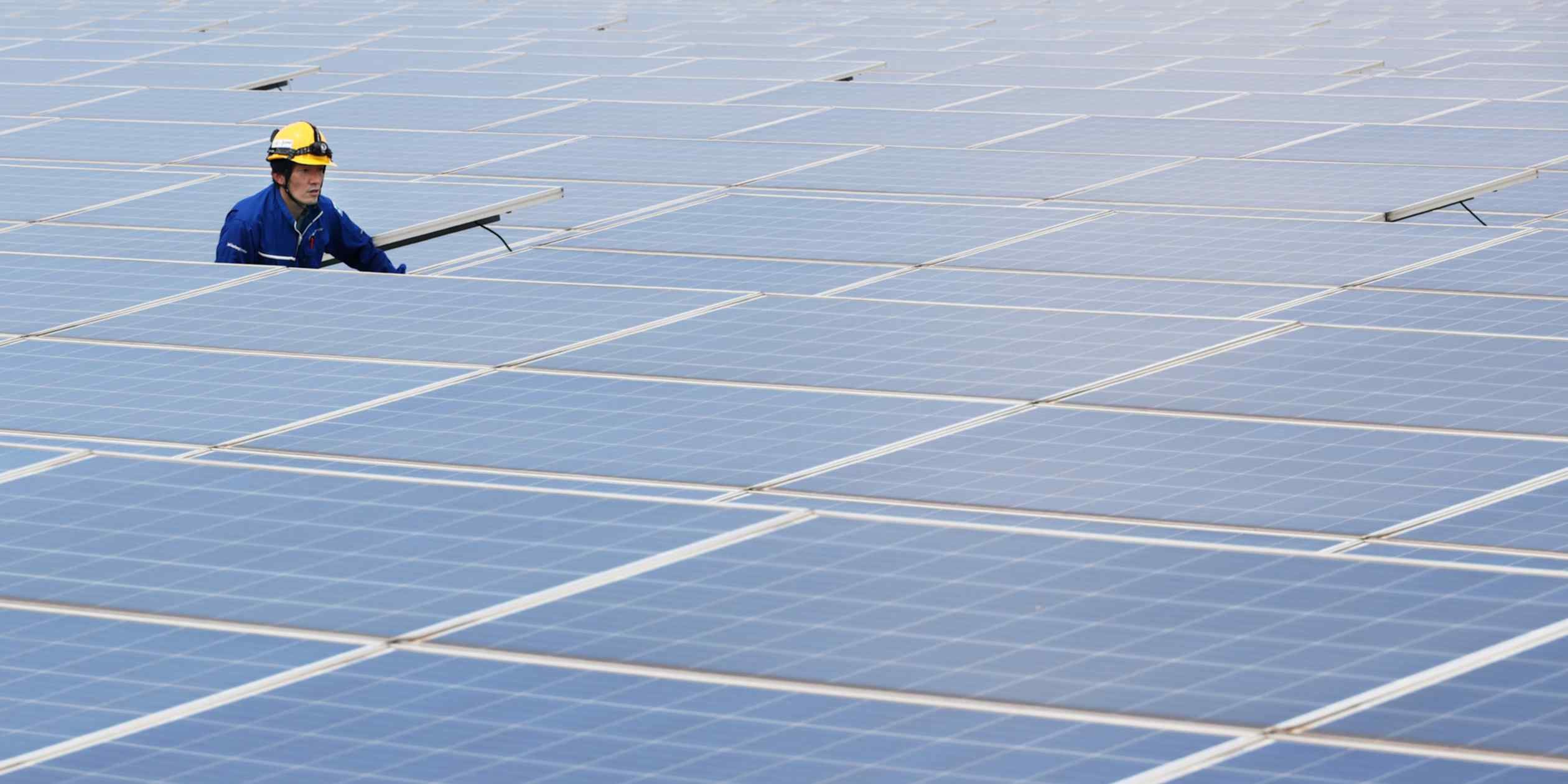
Japan’s renewable‑energy capacity has risen to 48 GW in 2025, driven by a surge in solar farms and offshore wind projects. While the share of renewables in the grid now exceeds 30 percent, their intermittent nature creates volatility for power‑intensive users. The Ministry of Economy, Trade and Industry (METI) projects that electricity demand from the tech sector will grow 6 percent annually through 2030, outpacing overall demand growth of 2.5 percent.
Battery storage as a bridge technology
Battery‑energy‑storage systems (BESS) have become the preferred solution for smoothing renewable output. According to BloombergNEF, global BESS installations reached 26 GWh in 2024, with Japan accounting for roughly 1.8 GWh. Daiwa’s planned capacity—estimated at 2.5 GWh by 2030—would lift Japan’s total installed BESS by about 40 percent, narrowing the gap with the United States (≈8 GWh) and Europe (≈12 GWh).
Chip fabs and AI data centres as anchor loads
Semiconductor fabs in Japan, such as those operated by Renesas and Toshiba, consume up to 150 MW per site during peak production cycles. Meanwhile, AI‑focused data centres are adding an estimated 10 MW of load per 10 MW of compute, according to a recent IDC report. Both categories require power with high availability (99.99 percent uptime) and low latency, making on‑site storage attractive compared with relying on the broader grid.
What it means
Diversification of Daiwa’s revenue streams
Historically a pure‑play securities firm, Daiwa is expanding into infrastructure finance. The battery‑storage venture will generate fee income from project development, long‑term operation‑and‑maintenance contracts, and capacity‑market participation. Assuming a 5 percent annual return on assets, the ¥100 billion outlay could yield ¥5 billion in net earnings by 2032.
Competitive pressure on utilities
Japanese utilities such as TEPCO and Kansai Electric have been slow to scale BESS due to regulatory hurdles. Daiwa’s entry—backed by its capital‑raising capabilities and access to corporate clients—could accelerate policy reforms, prompting utilities to partner or compete on price.
Implications for the tech supply chain
Secure, low‑cost power is a decisive factor for chip manufacturers deciding between domestic and overseas fabs. By reducing exposure to grid outages, Daiwa’s storage assets may help keep more production in Japan, supporting the government’s goal of achieving a 30 percent domestic semiconductor share by 2030.
Potential ripple effects
- Equity markets: Companies that supply battery cells (e.g., Panasonic, GS Yuasa) may see increased order flow, potentially lifting their stock valuations.
- Carbon targets: By enabling higher renewable penetration, the projects could shave up to 1.2 MtCO₂e from Japan’s power sector annually, aligning with the nation’s 2030 emissions‑reduction pledge.
- Financing trends: Daiwa’s move may inspire other Japanese financial institutions to allocate capital to green‑energy infrastructure, expanding the pool of project‑level debt and equity.
Sources
- Nikkei Asia report on Daiwa’s investment plan (May 19 2026)
- METI renewable‑energy statistics, 2025
- BloombergNEF, Battery Storage Outlook 2024
- IDC, AI Data‑Center Power Consumption Forecast
For further details on battery‑storage technology and market sizing, see the International Renewable Energy Agency (IRENA) BESS guide.
Comments
Please log in or register to join the discussion