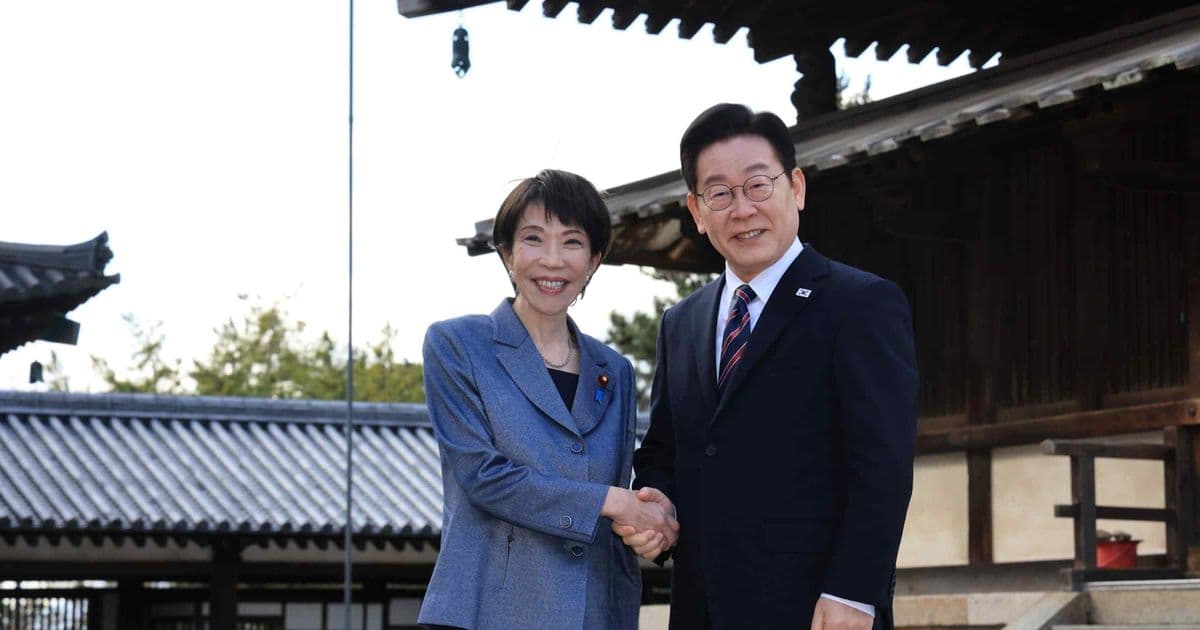
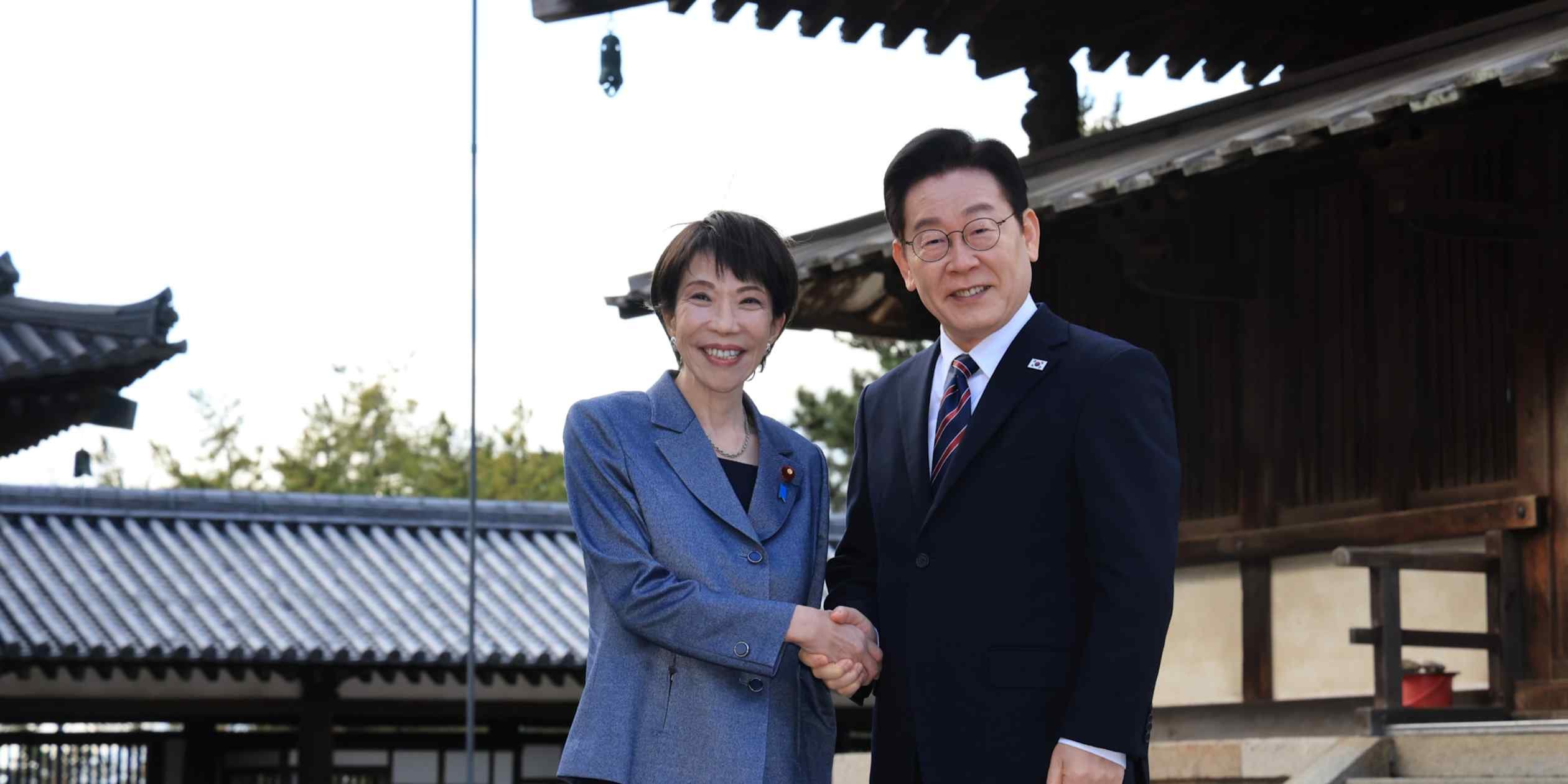
At a bilateral summit in Nara, Japan, Prime Minister Sanae Takaichi and President Lee Jae‑myung agreed to a framework that will pool crude‑oil procurement and create a shared strategic reserve, marking the deepest energy‑security cooperation between the two rivals since the 1998 Asian financial crisis.
Business news
Japanese Prime Minister Sanae Takaichi and South Korean President Lee Jae‑myung announced on May 19 that the two governments will formalise a joint oil‑reserve programme. The agreement, to be signed at the summit’s closing ceremony, will establish a bilateral task force that will (i) coordinate crude‑oil purchases, (ii) allocate a shared strategic stockpile of up to 1.5 million barrels initially, and (iii) develop a shared logistics hub at the Port of Busan for ship‑to‑ship transfers.
Market context
Both economies have felt the impact of the Iran‑Israel conflict, which has pushed global Brent crude above $95 / bbl and tightened spot‑market supplies in East Asia. Japan, the world’s third‑largest oil importer, imports roughly 3.8 million bbl/day; South Korea’s demand sits at 2.6 million bbl/day. Their combined daily consumption exceeds 6 million bbl, yet each country maintains a strategic reserve of only 300 – 400 k bbl, far below the 90‑day supply benchmark recommended by the International Energy Agency.
By pooling resources, the two nations can achieve economies of scale in forward‑contract purchases. Assuming a blended purchase price of $92 / bbl, a 1.5 million‑barrel reserve would cost roughly $138 million. Shared storage and handling could cut per‑barrel logistics costs by an estimated 15‑20 %, translating into annual savings of $10‑12 million for each side.
The framework also builds on the Takaichi‑proposed energy‑cooperation charter unveiled last year, which called for joint investments in oil‑storage infrastructure and digital tracking of cargoes using blockchain‑based trade platforms. South Korea’s Ministry of Trade, Industry and Energy has earmarked $45 million for a pilot digital ledger that will record every transfer between the two reserves, improving transparency and reducing the risk of double‑counting.
What it means
- Strategic alignment – The pact signals a shift from historic rivalry to pragmatic security cooperation. Energy security is now a top‑line item on both governments’ risk‑management agendas, alongside defense coordination against regional threats.
- Market impact – A coordinated buying bloc of roughly 5 % of East Asia’s daily crude intake could modestly dampen price volatility in the spot market, especially during supply shocks. Traders may price Japanese‑Korean demand slightly lower than before, offering a marginal upside for refiners that source from the Middle East.
- Industry opportunities – Japanese storage‑facility operators such as Nippon Oil Corp and Korean logistics firms like Hyundai Glovis are likely to win contracts for the new shared depot. The digital‑ledger project opens a niche for fintech firms specializing in trade‑finance blockchain solutions.
- Geopolitical signaling – By deepening energy ties, Tokyo and Seoul present a united front to Washington and to regional partners, reinforcing their collective bargaining power in negotiations with OPEC‑plus and with major exporters such as Saudi Arabia and the United Arab Emirates.
- Risk considerations – Joint reserves require clear governance on draw‑down rules, cost‑sharing, and dispute resolution. Any misalignment on when to tap the stockpile could expose both governments to political backlash, especially if domestic oil prices diverge sharply.
Overall, the South Korea‑Japan oil‑reserve framework is a concrete step toward mitigating supply‑chain shocks in a region already strained by geopolitical tension. By leveraging shared procurement, joint storage, and digital transparency, the two economies can lower costs, improve resilience, and signal a coordinated approach to energy security that may reshape regional market dynamics over the next decade.
Comments
Please log in or register to join the discussion