
The Open Vehicle Monitoring System (OVMS) is emerging as a community‑driven alternative to proprietary EV telematics, offering live data, remote control, and open‑source extensibility. While enthusiasts praise its transparency and flexibility, skeptics point to integration challenges and security concerns.
A DIY Telemetry Trend Takes Shape
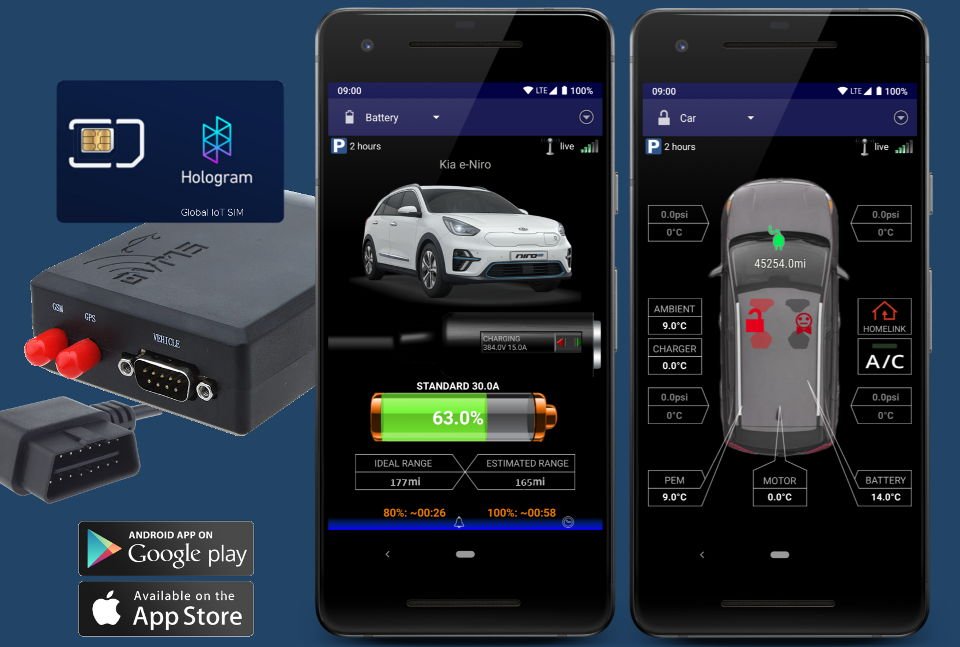
Across forums, GitHub stars, and maker‑space meet‑ups, the Open Vehicle Monitoring System (OVMS) is repeatedly mentioned as the go‑to platform for owners who want to peek under the hood of their electric cars. The project bundles a small CAN‑bus‑connected module, a cloud‑agnostic MQTT bridge, and native Android/iOS apps that let users monitor state‑of‑charge, tyre pressure, temperature, and even send push alerts for fault conditions. Its open‑source nature means anyone can fork the firmware, add new vehicle profiles, or integrate the data stream into home‑automation hubs like Home Assistant.
Evidence of Growing Adoption
- GitHub activity: The OVMS firmware repository now sits above 2 k stars and receives dozens of pull requests each month, indicating a healthy developer pipeline.
- Community builds: Over 1 k units have been reported on the official forum, with users sharing custom DBC files for models ranging from the Nissan Leaf to the Tesla Model 3.
- Third‑party integrations: Projects such as MQTT‑to‑InfluxDB bridges and Home Assistant components now include native support for OVMS, turning raw CAN frames into dashboards that can trigger automations (e.g., opening a garage door when the car is within range).
- Commercial interest: Small EV‑charging startups are experimenting with OVMS‑derived data to offer dynamic pricing or remote‑start features without locking customers into proprietary APIs.
Why the Community Values Openness
- Data sovereignty – Users keep logs on an SD card or a self‑hosted server, avoiding the cloud‑centralized models used by many manufacturers.
- Extensibility – The firmware exposes an SSH shell and WebSocket streams, allowing hobbyists to write scripts that, for example, pre‑condition the cabin based on weather forecasts.
- Cross‑vehicle support – By providing a configurable OBD‑II translator and a DBC decoder, OVMS can be adapted to almost any EV that exposes a CAN bus, sidestepping the need for manufacturer‑specific SDKs.
Counter‑Perspectives and Risks
While the enthusiasm is palpable, several concerns temper the optimism:
- Integration complexity – Setting up the CAN interface, flashing the module, and maintaining vehicle‑specific DBC files can be daunting for non‑technical owners. The learning curve often limits adoption to the maker community rather than the broader EV market.
- Security surface – Exposing SSH and TCP‑based CAN injection points creates attack vectors. A compromised device could, in theory, send false telemetry or even manipulate charging cycles. The project mitigates this with optional TLS for MQTT and password‑protected SSH, but many hobbyist deployments skip these safeguards.
- Regulatory gray area – In some regions, tampering with vehicle firmware or CAN traffic may void warranties or breach safety regulations. Users must weigh the freedom of open source against potential legal ramifications.
- Data reliability – Unlike factory‑grade telematics that undergo rigorous validation, community‑maintained DBC files may contain inaccuracies, leading to misleading alerts (e.g., false battery‑cell‑failure warnings).
Looking Ahead
The OVMS story illustrates a broader pattern: as EV ownership spreads, a segment of owners refuses to surrender telemetry to closed ecosystems. The project's open‑source license encourages experimentation, and the growing ecosystem of MQTT‑compatible tools suggests that DIY telematics could complement, rather than replace, OEM solutions. Whether OVMS will cross the threshold from niche hobbyist kit to mainstream accessory likely depends on how quickly the community can lower the technical barrier and address security concerns.
For developers interested in trying it out, the official OVMS documentation provides step‑by‑step flashing guides, while the GitHub repository hosts the latest firmware releases. Those looking to integrate the data into home automation can start with the Home Assistant OVMS integration, which abstracts much of the MQTT plumbing.
In short, OVMS is a compelling case study of how open‑source principles can reshape vehicle telemetry, but its success will hinge on balancing openness with usability and safety.
Comments
Please log in or register to join the discussion