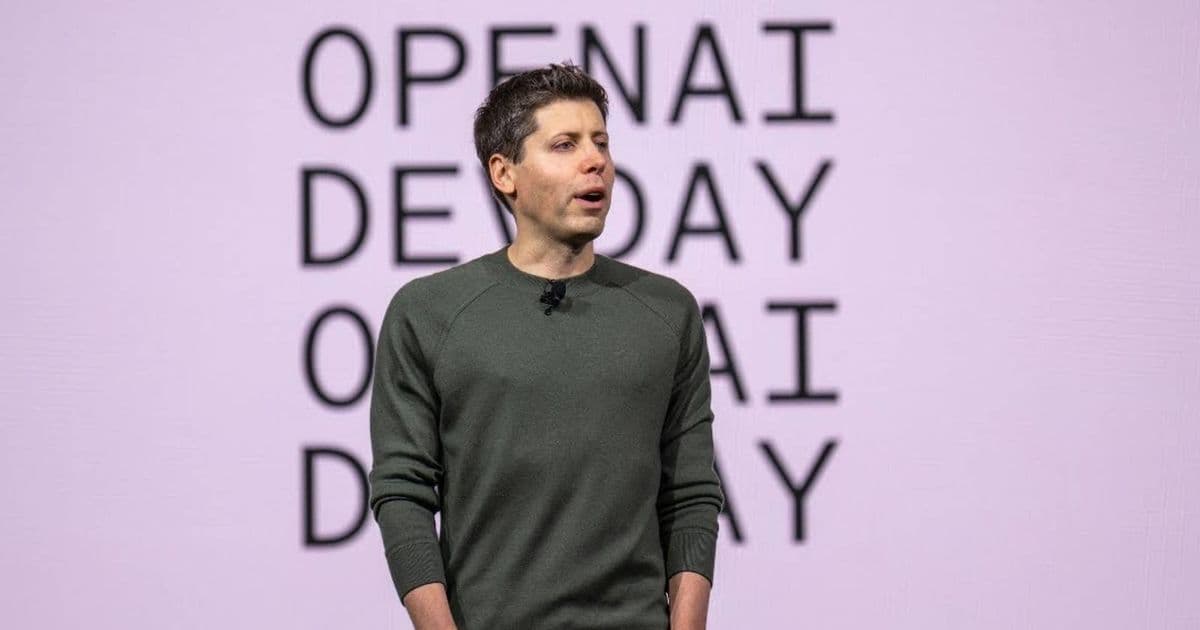
OpenAI has purchased the TBPN talk show, marking an unconventional move to influence public discourse about artificial intelligence while maintaining the show's editorial independence.
OpenAI has made a surprising acquisition that signals a new approach to public relations in the AI industry. The company has purchased the talk show TBPN, marking what it describes as an unconventional solution to an unconventional challenge in communicating about artificial intelligence.
According to Fidji Simo, chief of applications at OpenAI, the standard communications playbook simply doesn't apply to a company driving what she calls "a really big technological shift." In an internal note to staff, Simo explained that OpenAI's mission of bringing artificial general intelligence to the world comes with a responsibility to help create space for real, constructive conversation about the changes AI creates.
The acquisition comes at a time when OpenAI is undergoing significant strategic shifts. The company recently merged ChatGPT, Codex, and Atlas into a single "superapp" and pivoted its Sora video platform to function more like TikTok. These moves suggest OpenAI is actively experimenting with new approaches to remain competitive in an evolving tech landscape.
What makes this acquisition particularly noteworthy is OpenAI's commitment to preserving the show's editorial independence. Despite the buyout, Simo emphasized that TBPN hosts Hays and Coogan will maintain full editorial freedom. They'll continue to run the content they want and bring on guests of their choosing. OpenAI views this independence as "foundational to their credibility" and is explicitly protecting it as part of the agreement.
This approach represents a departure from traditional corporate media acquisitions, where editorial control often shifts to align with the parent company's messaging. By maintaining the show's independence, OpenAI appears to be betting that authenticity and credibility will be more valuable in shaping public discourse than direct control.
The timing of this acquisition is particularly interesting given OpenAI's recent product pivots and strategic realignments. The company seems to be acknowledging that as the first major player in its category, it faces unique communication challenges that require innovative solutions. Rather than relying solely on traditional PR channels, OpenAI is investing in platforms that can facilitate genuine dialogue about AI's impact.
This move could signal a broader trend in how AI companies approach public engagement. As the technology continues to advance and raise complex questions about society, employment, and ethics, companies like OpenAI may need to find new ways to participate in public conversations without appearing to control them.
For TBPN, the acquisition provides resources and stability while preserving the editorial voice that presumably made the show valuable to OpenAI in the first place. For OpenAI, it gains a platform for authentic dialogue about AI developments and their implications.
The purchase raises interesting questions about the future of tech company communications. Will other AI companies follow suit with similar acquisitions? How will this affect the landscape of tech-focused media and public discourse? As AI continues to evolve at a rapid pace, the way companies communicate about their technology may become as important as the technology itself.
OpenAI's willingness to experiment with unconventional approaches to communication suggests the company recognizes that traditional PR strategies may be insufficient for addressing the complex questions surrounding artificial intelligence. By investing in a platform that can facilitate genuine, independent discussion, OpenAI is positioning itself as a participant in the broader conversation about AI's future rather than just a technology provider.
As the AI industry continues to mature, this acquisition may be remembered as an early example of how leading companies adapt their communication strategies to address the unique challenges of transformative technologies. Whether this approach proves successful remains to be seen, but it certainly represents a creative solution to the challenge of communicating about technology that many believe will reshape society in profound ways.
Comments
Please log in or register to join the discussion