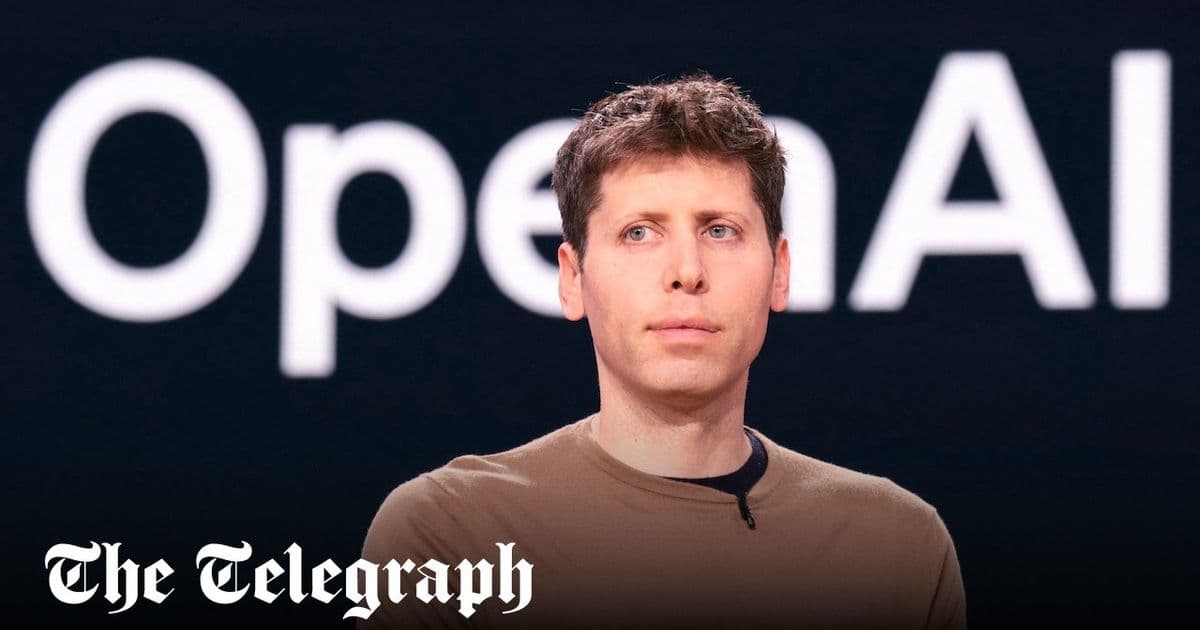
OpenAI has petitioned the UK's Competition and Markets Authority to expand Google's mandated search engine choice screen on Chrome and Android to include AI chatbots, marking a significant push to challenge Google's dominance in search.
OpenAI is making a bold move to reshape how users discover and access search alternatives in the UK. The company has formally petitioned the Competition and Markets Authority (CMA) to expand Google's mandated search engine choice screen to include AI chatbots, specifically targeting the placement of ChatGPT alongside traditional search engines like Bing and DuckDuckGo.
The filing comes as part of the CMA's ongoing efforts to promote competition in digital markets. Google was previously required to implement a search choice screen on Chrome and Android devices in the European Economic Area, allowing users to select their preferred default search engine. OpenAI now wants to extend this principle to the rapidly evolving AI search landscape.
Why This Matters
The petition represents more than just a competitive maneuver. It signals OpenAI's strategic recognition that AI chatbots are becoming legitimate alternatives to traditional search, particularly for complex queries that benefit from conversational interfaces. By pushing for inclusion in the choice screen, OpenAI aims to accelerate user adoption and establish ChatGPT as a mainstream search option.
This move also highlights the shifting dynamics in the search market. While Google maintains overwhelming dominance in traditional web search, AI-powered alternatives are gaining traction. Users increasingly turn to chatbots for research, analysis, and information gathering, especially for nuanced or multi-step queries that benefit from contextual understanding.
The Broader Context
The timing of OpenAI's petition is significant. The AI search space is becoming increasingly competitive, with major tech companies investing heavily in their chatbot capabilities. Google itself has integrated AI features into its search results through Gemini, while startups like Perplexity are building dedicated AI search platforms.
OpenAI's push for inclusion in the choice screen could set a precedent for how AI chatbots are treated in regulatory frameworks. If successful, it might encourage other AI companies to seek similar treatment, potentially transforming how users discover and access AI-powered information services.
Potential Implications
If the CMA grants OpenAI's petition, it could fundamentally alter the search landscape in the UK. Users would be presented with AI chatbots as viable alternatives to traditional search engines, potentially accelerating the shift toward conversational search interfaces. This could particularly benefit users who find traditional keyword-based search limiting for complex research tasks.
The move also raises questions about how AI chatbots should be categorized and regulated. Unlike traditional search engines that primarily index and rank web content, AI chatbots generate responses based on training data and reasoning capabilities. This distinction could become increasingly important as AI search capabilities continue to advance.
Industry Reactions
While OpenAI has not publicly commented beyond its filing, industry analysts suggest this is part of a broader strategy to establish ChatGPT as a default choice for information discovery. The company appears to be betting that regulatory intervention can help overcome the network effects that currently favor established search engines.
Google has not yet responded to the petition, but the company has historically defended its search practices while also investing heavily in AI integration. The outcome could influence how other tech giants approach the integration of AI features into their core products.
Looking Ahead
The CMA's decision on this petition could have far-reaching consequences for the future of search and AI. If AI chatbots are included in choice screens, it might accelerate the development of more sophisticated AI search capabilities and encourage traditional search engines to further integrate AI features.
This development also reflects the broader trend of AI technologies challenging established digital paradigms. As AI becomes more capable of handling complex information tasks, the lines between search, research, and analysis continue to blur, potentially reshaping how users interact with digital information services.
For now, the petition represents OpenAI's latest effort to expand ChatGPT's reach and establish it as a mainstream information discovery tool. The outcome will likely influence not just the UK market but potentially set precedents for how AI chatbots are treated in other regulatory contexts worldwide.
Related Developments
This petition comes amid other significant AI industry movements. Reports indicate OpenAI is offering private equity firms guaranteed returns of 17.5% to secure joint ventures, while also in talks to purchase 5 gigawatts of electricity from fusion startup Helion by 2030. These moves suggest OpenAI is positioning itself for massive scale as it seeks to challenge established tech giants across multiple domains.
The petition also coincides with growing regulatory scrutiny of AI technologies globally, as governments grapple with how to promote competition while ensuring responsible development of increasingly powerful AI systems.
Comments
Please log in or register to join the discussion