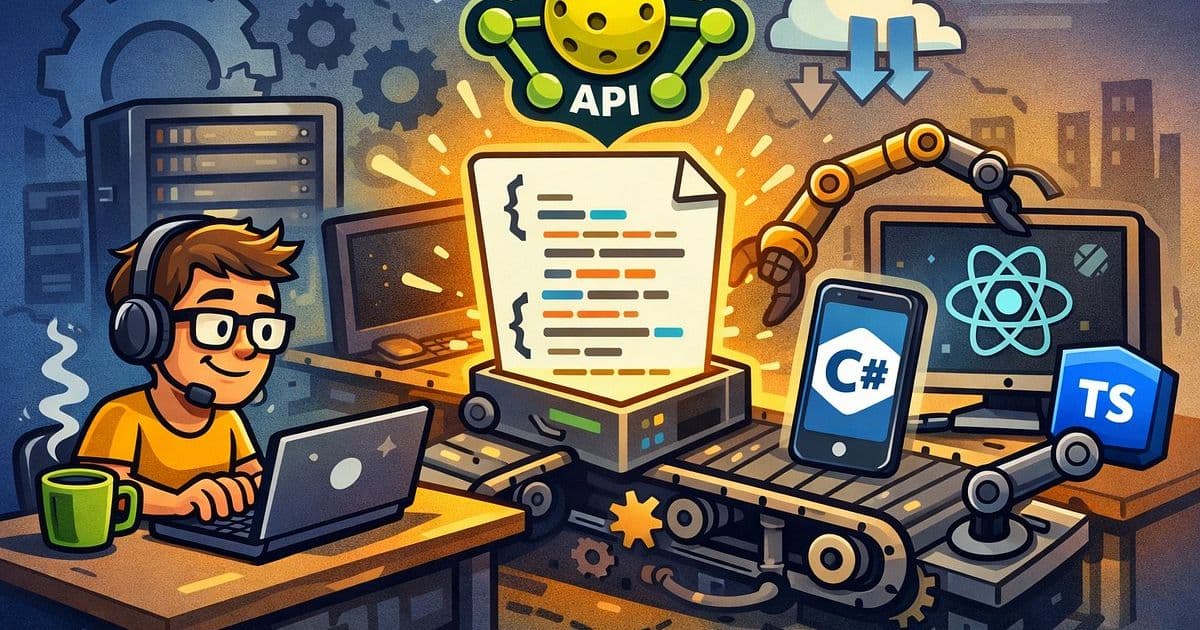
New ASP.NET build-time OpenAPI generation techniques are reshaping how enterprises approach multi-cloud API strategies, with significant implications for Azure, AWS, and Google Cloud integrations.
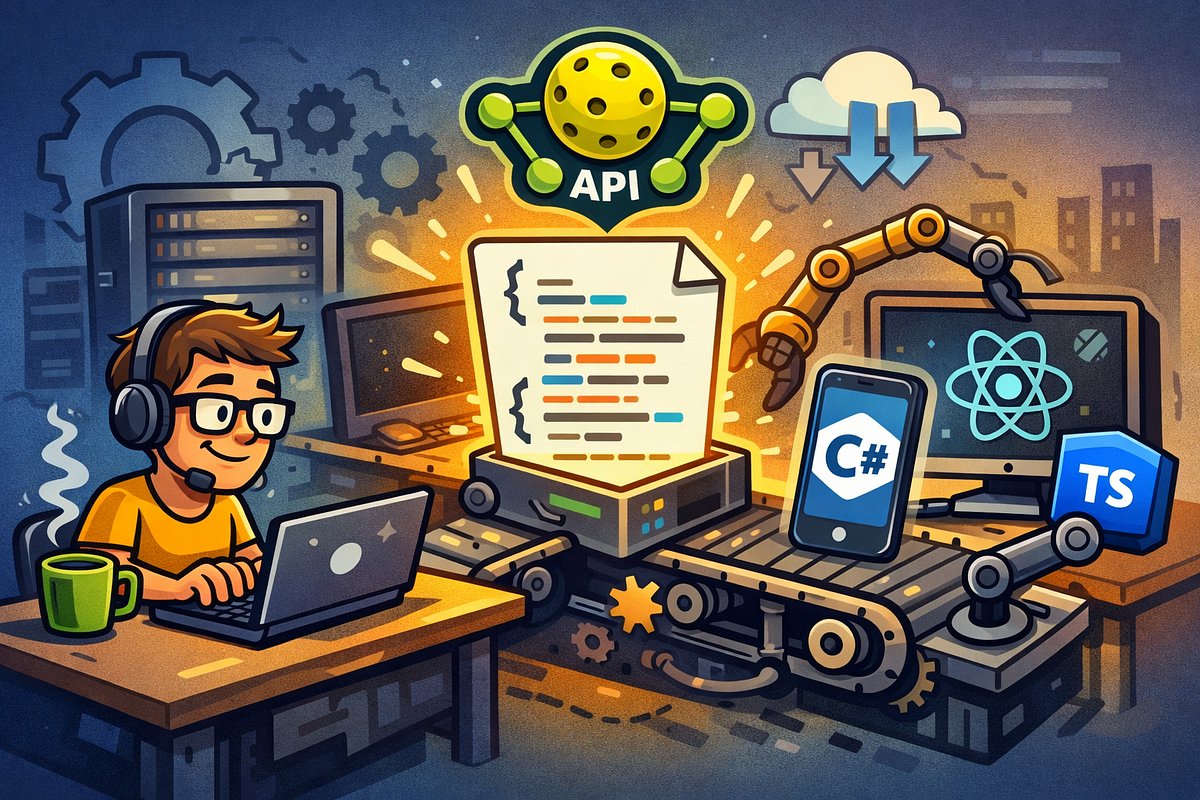
The latest advancements in OpenAPI specification generation within ASP.NET Core are creating ripple effects across cloud provider ecosystems, offering enterprises new ways to streamline multi-cloud API management while reducing client-side development costs.
The Build-Time Generation Shift
Modern .NET 8 applications can now generate OpenAPI specifications during compilation using tools like Swashbuckle and NSwag. This build-time approach ensures API contracts stay synchronized with implementation, a critical requirement for organizations maintaining:
- React frontends consuming TypeScript clients
- .NET MAUI mobile applications
- Microservices spanning multiple cloud providers
Cloud Provider Comparison
Microsoft Azure
- Native integration with Azure API Management
- Auto-generated client SDKs via AutoRest
- Pricing: $0.08 per 1,000 API calls (Standard tier)
Amazon Web Services
- Supports OpenAPI 3.0 in API Gateway
- Client generation via API Gateway Export
- Pricing: $1.00 per million REST API calls
Google Cloud
- OpenAPI support in Cloud Endpoints
- Client library generation through Google API Discovery Service
- Pricing: $0.006 per 1,000 requests
Business Impact Analysis
- Migration Acceleration: Teams can regenerate cloud-specific clients when moving workloads between providers
- Cost Optimization: Reduced development time for multi-cloud client applications
- Consistency Enforcement: Single API spec ensures uniform behavior across cloud implementations
Strategic Considerations
- Evaluate cloud providers' OpenAPI toolchain maturity
- Assess long-term maintenance costs of generated clients
- Consider hybrid cloud scenarios requiring uniform API contracts
The evolution of OpenAPI tooling represents a strategic inflection point for cloud architects. By treating API specifications as first-class build artifacts, organizations gain new flexibility in managing multi-cloud deployments while reducing client-side development overhead.
Resources:
Comments
Please log in or register to join the discussion