Peter Steinberger announces move to OpenAI to develop accessible AI agents while transitioning OpenClaw to an independent foundation.
Peter Steinberger, creator of the viral open-source AI agent framework OpenClaw, has announced he's joining OpenAI while establishing a foundation to maintain his project's independence. The move comes after OpenClaw's unexpected surge in popularity demonstrated significant demand for accessible agent technology.
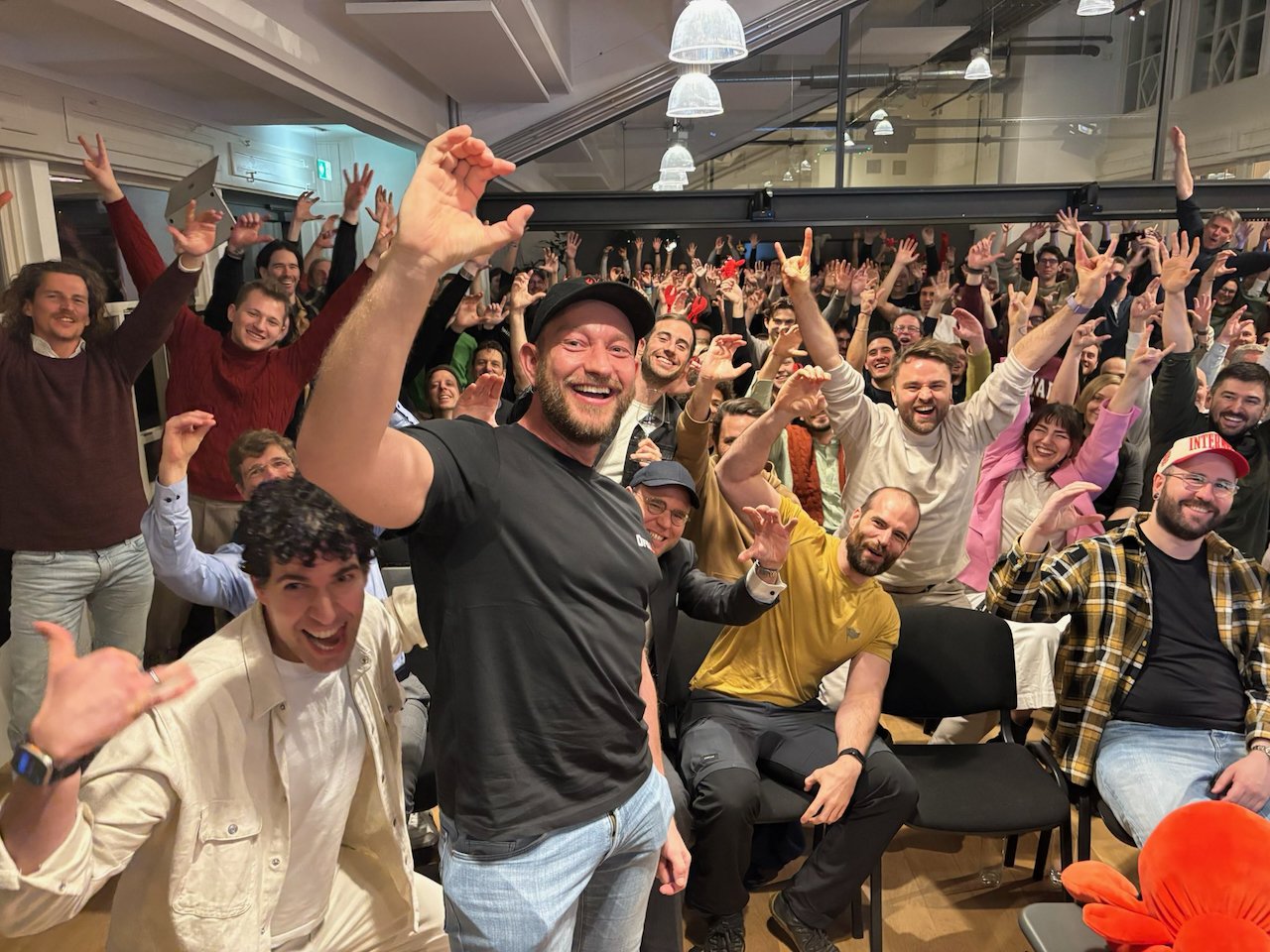
Steinberger described OpenClaw's rapid adoption as overwhelming, noting his project started as "playground" exploration before capturing global developer interest. "The internet got weird again," he observed, referencing the lobster-themed project's cultural impact. This traction opened numerous opportunities, including investment offers and expansion proposals.
At its core, OpenClaw addresses AI accessibility challenges. Steinberger's new mission—building "an agent that even my mum can use"—requires solving complex safety issues and accessing cutting-edge models. While acknowledging OpenClaw's commercial potential ("I could totally see how OpenClaw could become a huge company"), the developer emphasized his preference for building over corporate management: "I'm a builder at heart... What I want is to change the world."
After meetings with multiple AI labs in San Francisco, Steinberger selected OpenAI for its shared vision and research capabilities. Crucially, OpenAI has committed to sponsor OpenClaw while allowing Steinberger dedicated development time. The project will transition to a foundation model preserving its open-source nature and community-driven ethos as "a place for thinkers, hackers and people that want to own their data."
This structure represents an emerging pattern where commercial AI entities support independent open-source initiatives. It ensures OpenClaw remains vendor-agnostic—supporting multiple AI models—while leveraging OpenAI's resources for agent development. Steinberger will now focus on democratizing agent technology from within OpenAI, describing the move as "the fastest way to bring this to everyone."
The announcement leaves OpenClaw's community infrastructure intact while potentially accelerating agent capabilities through OpenAI's unreleased research. For developers, the foundation model offers continuity; for OpenAI, it provides talent acquisition with open-source credibility. As agent ecosystems evolve, this hybrid approach may influence how commercial and community AI projects collaborate moving forward.
Comments
Please log in or register to join the discussion