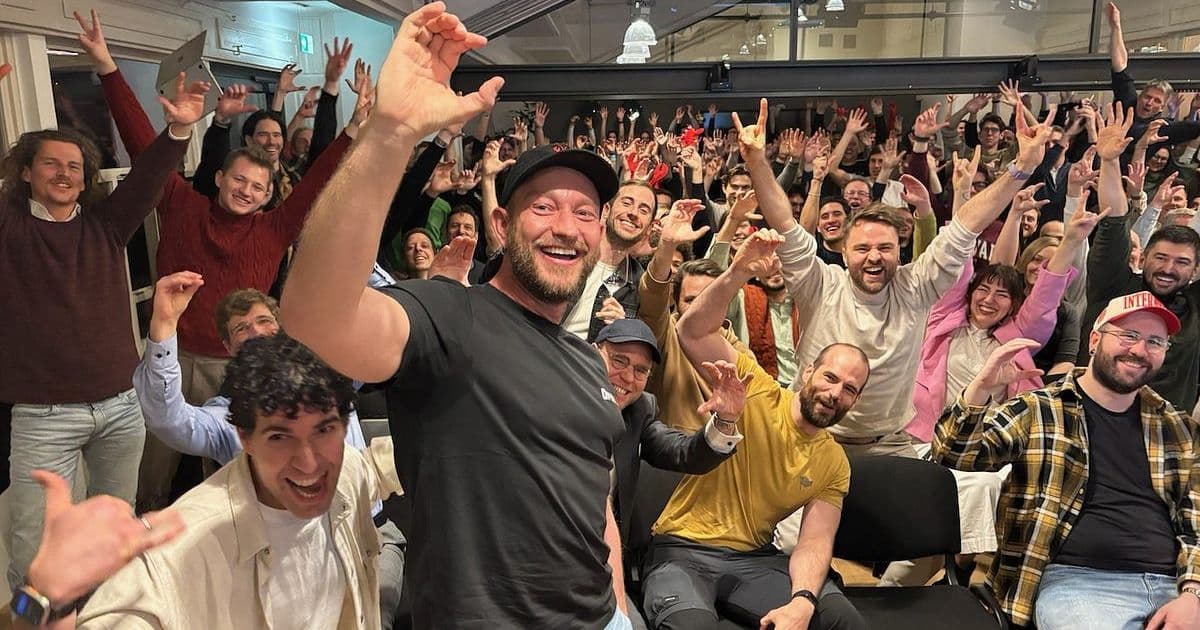
Peter Steinberger, creator of OpenClaw, reveals he chose OpenAI over Meta despite Meta offering more money, citing better alignment with OpenAI's vision and culture.
In a revealing development in the AI talent wars, OpenClaw creator Peter Steinberger has disclosed that he ultimately chose to join OpenAI over Meta, even though Meta offered him more money. The decision, which came less than a week before his official start date at OpenAI, highlights the increasingly competitive landscape for top AI talent and the factors beyond compensation that influence these high-stakes hiring decisions.
Steinberger, known for creating OpenClaw, a popular tool in the developer community, found himself at the center of a bidding war between two of the tech industry's most prominent AI companies. While Meta's offer was financially superior, Steinberger explained that he felt a stronger alignment with OpenAI's overall vision and culture.
This revelation provides rare insight into the behind-the-scenes dynamics of AI company recruitment. The fact that Steinberger was willing to forgo a higher salary for what he perceived as a better cultural and philosophical fit underscores the importance of mission alignment in the AI sector, where employees often cite working on transformative technology as a key motivator.
The competition for AI talent has intensified dramatically as companies race to build increasingly sophisticated models and applications. Meta, with its vast resources and ambitious AI initiatives, has been particularly aggressive in recruiting top researchers and engineers. However, this case suggests that financial incentives alone may not be sufficient to win over the best candidates.
Steinberger's decision also reflects the different approaches these companies are taking in the AI space. OpenAI has positioned itself as a mission-driven organization focused on developing artificial general intelligence for the benefit of humanity, while Meta has emphasized its commitment to open-source AI development and integration across its social media platforms.
The timing of Steinberger's announcement is particularly interesting, coming amid broader discussions about the future direction of AI development and the role of different companies in shaping that future. His choice to join OpenAI may signal growing confidence in the company's approach and trajectory, despite Meta's significant investments in AI research and development.
This development also raises questions about the sustainability of talent acquisition strategies that rely primarily on financial incentives. As the AI field matures, companies may need to place greater emphasis on articulating clear visions and fostering cultures that resonate with top talent, rather than simply outbidding competitors on compensation packages.
The case of Peter Steinberger serves as a reminder that in the high-stakes world of AI development, the human element remains crucial. Even with billions of dollars at stake and the future of technology hanging in the balance, individual choices about where to work are still influenced by factors that go beyond money, including shared values, vision alignment, and cultural fit.
As the AI talent wars continue to heat up, this incident may prompt other companies to reevaluate their recruitment strategies and consider how they can better communicate their missions and values to potential hires. The competition for top AI talent is likely to remain fierce, but Steinberger's decision suggests that the most successful companies may be those that can offer not just competitive compensation, but also a compelling vision for the future of AI.
Comments
Please log in or register to join the discussion