Chinese tech giants are rapidly deploying AI agents based on the OpenClaw framework, marking a fundamental shift from content generation to task execution that could reshape enterprise workflows and create new revenue streams.
The AI landscape is experiencing a seismic shift as Chinese technology companies race to deploy task-executing AI agents based on the OpenClaw framework, marking what industry observers are calling the dawn of the AI agent era. This open-source framework has gone viral worldwide, enabling AI to move beyond simple content generation to actually executing complex tasks—a capability that's rapidly becoming the new battleground for tech giants.
The OpenClaw Catalyst
The framework's viral spread has triggered an unprecedented wave of innovation across China's tech ecosystem. By providing a standardized way for AI models to break down tasks, search the web, and call external tools, OpenClaw transforms large language models from passive content generators into active productivity systems. This evolution represents more than just incremental improvement—it's a fundamental reimagining of what AI can do in enterprise environments.
Moonshot AI's Kimi Claw Leads the Charge
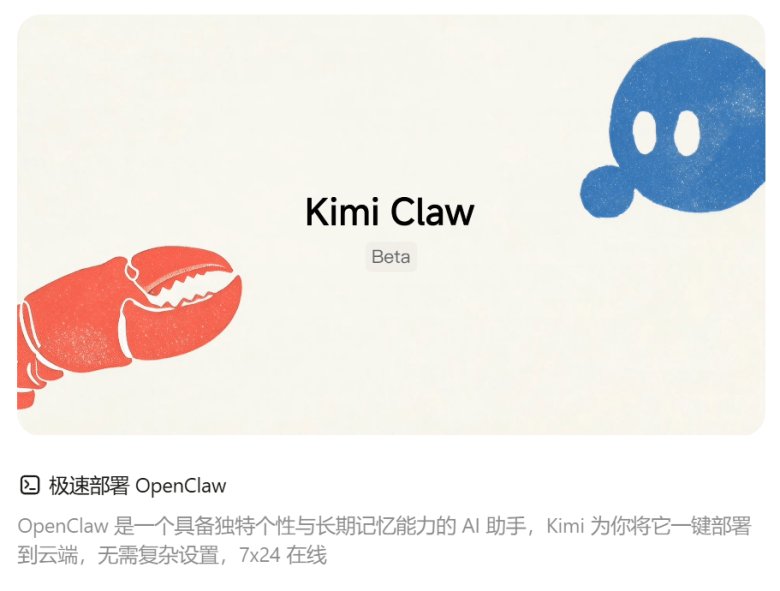
Moonshot AI was among the first movers, launching Kimi Claw with a strategy that's proven particularly effective: zero-code deployment and one-click setup. The company sweetened the deal by offering free computing power subsidies for OpenClaw calls, dramatically lowering the barrier to entry for users. This approach has paid off handsomely, with paying international users surging and overseas revenue surpassing domestic revenue for the first time—a clear indicator of OpenClaw's global appeal.
Cloud-Native Approaches Emerge
MiniMax has taken a different tack with MaxClaw, focusing on providing users with a cloud-hosted environment for running AI agents. This cloud-based AI assistant emphasizes performance and ease of use, recognizing that many enterprises want the benefits of AI agents without the complexity of local infrastructure management.
Zhipu AI has partnered with Alibaba Cloud's AgentBay to launch AutoGLM–OpenClaw, a cloud-based version built on an OpenClaw image. This collaboration highlights how cloud vendors are positioning themselves as key enablers of the AI agent revolution, offering deployment and runtime environments that reduce the need for local infrastructure.
Tencent's Workplace Focus
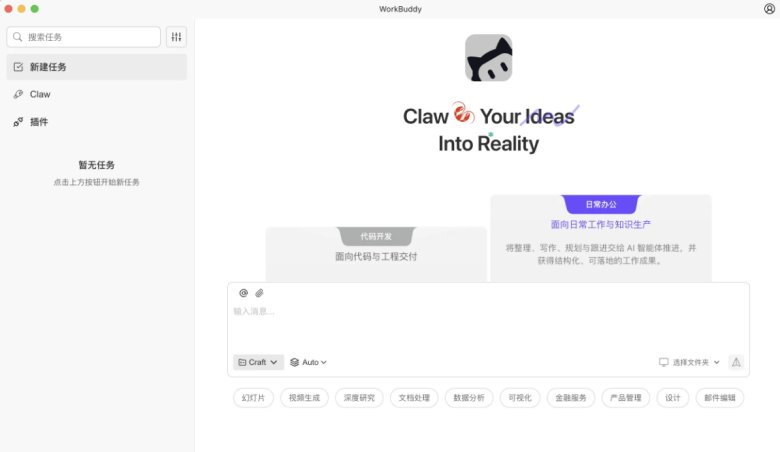
Tencent has entered the fray with WorkBuddy, an AI-powered workplace assistant that integrates seamlessly with the company's cloud and AI ecosystem. What sets WorkBuddy apart is its emphasis on task execution capabilities within enterprise workflows. The tool supports compatibility with OpenClaw skills and can be accessed through WeCom or a web-based interface, enabling remote access to AI-assisted office functions without requiring complex local deployment.
WorkBuddy's capabilities demonstrate the practical applications of AI agents in real-world settings. It can automatically handle emails by identifying content, organizing messages into categories, and replying to common emails based on preset rules. For meeting scheduling, it coordinates participants' availability and automatically generates and sends meeting invitations. When it comes to document management, the system extracts key information and produces concise summaries—tasks that traditionally required significant human effort.
The Broader Implications
China's rapid push into the OpenClaw ecosystem could have broad implications for the AI industry. The shift from traditional AI models toward AI agents capable of breaking down tasks, searching the web, and calling external tools represents a move toward more practical productivity systems. This evolution could accelerate digital transformation across industries, as AI agents become capable of handling increasingly complex workflows.
However, this transformation comes with significant economic implications. Frequent task execution increases token consumption, creating new revenue streams for model providers. As AI agents become more capable and widely deployed, the demand for inference tokens could grow exponentially, potentially reshaping the economics of the AI industry.
Challenges and Concerns
The rapid rise of AI agents also brings challenges that the industry must address. Wider deployment raises concerns around data security and privacy protection, as systems gain access to more user data and enterprise workflows. The increased automation enabled by AI agents may also reshape parts of the labor market, as some routine tasks become machine-executable.
The Commercial Ecosystem Takes Shape
These efforts could lead to the formation of a new commercial ecosystem centered around AI agents. Cloud vendors are exploring service models built around AI agents, while model providers are finding new revenue streams through increased token consumption. The OpenClaw framework itself is becoming a de facto standard, with multiple companies building compatible products and services.
Looking Ahead
The race to deploy AI agents based on OpenClaw represents more than just competitive positioning—it's a fundamental shift in how we think about AI's role in enterprise productivity. As these systems become more capable and widely deployed, they could transform everything from customer service to software development, creating new opportunities while also raising important questions about the future of work.
The rapid innovation we're seeing across China's tech ecosystem suggests that the AI agent era is arriving faster than many anticipated. With major players like Moonshot AI, MiniMax, Zhipu AI, and Tencent all making significant investments in this space, the competition is likely to drive rapid improvements in capability and usability. The question is no longer whether AI agents will transform enterprise workflows, but rather how quickly this transformation will occur and what the broader implications will be for the tech industry and the global economy.
Comments
Please log in or register to join the discussion