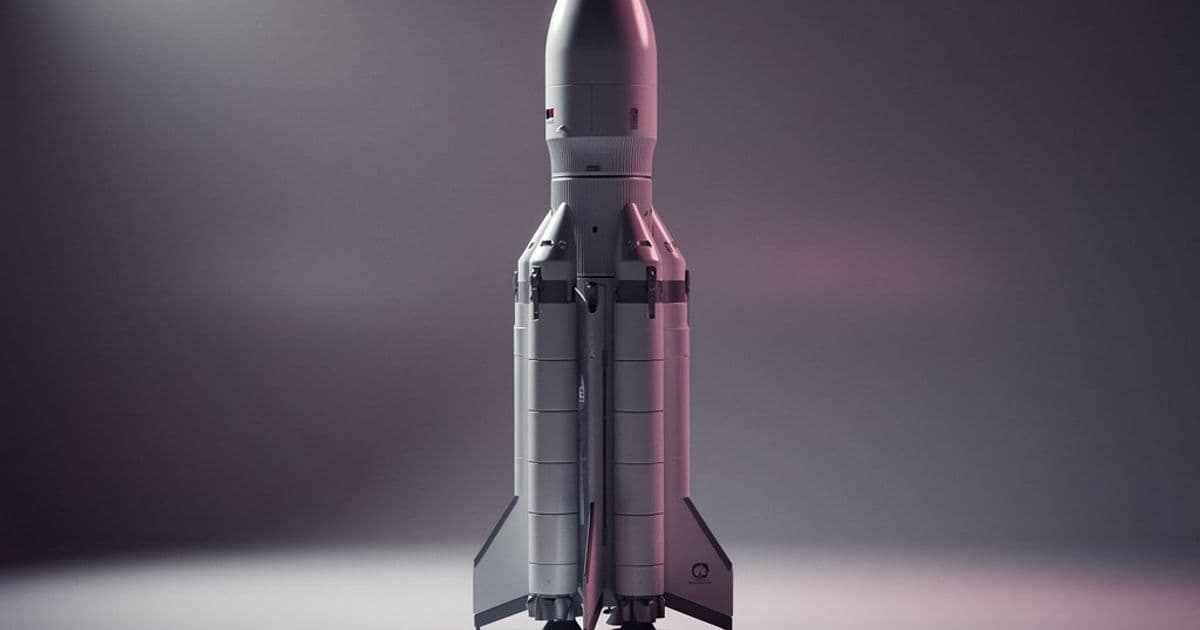
A new rocket simulation platform enables users to experiment with launch dynamics, orbital mechanics, and flight control systems through intuitive real-time telemetry and multiple mission modes.
A detailed rocket simulation interface has emerged, providing an accessible platform for experimenting with orbital mechanics and launch dynamics. The tool displays comprehensive real-time telemetry data during simulated flights, including altitude, velocity vectors, acceleration forces, and aerodynamic stresses like dynamic pressure and drag coefficients.
Users begin launches with a fully fueled rocket weighing over 530 metric tons, initiating flights at 465 m/s initial velocity. The simulation tracks critical engineering parameters including Mach number, propellant consumption, and thrust levels throughout the flight profile.
Three distinct operational modes accommodate different learning objectives:
Manual Control Mode: Pilots adjust pitch angle in real-time using keyboard inputs while receiving guidance recommendations. This mode emphasizes hands-on control dynamics during critical phases like Max Q (maximum aerodynamic pressure).
Guided Launch Mode: Users set target altitudes for automated flight profiles. The guidance system handles ascent trajectory optimization, demonstrating how automated systems manage gravity turns and orbital insertion.
Orbital Mode: Places users directly in stable orbits between 200-800 km altitude. This environment allows experimentation with orbital mechanics concepts like periapsis/apoapsis management without atmospheric interference.
The simulation visually represents key orbital parameters including velocity components relative to both vertical and horizontal planes. Real-time telemetry updates include:
- Dynamic pressure calculations during atmospheric flight
- Thrust-to-weight ratios via G-force measurements
- Instantaneous drag coefficients based on vehicle configuration
- Predicted orbital elements during ascent phases
This approach provides practical insight into aerospace engineering challenges without requiring advanced mathematics. By making parameters like pitch programs and aerodynamic stresses visually tangible, the tool helps bridge theoretical rocket science concepts with practical implementation considerations. The interface includes zoom controls and camera tracking to observe flight profiles from multiple perspectives.
For educational purposes, the simulation demonstrates critical flight events like staging transitions and gravity turn initiations. Engineering students can observe how variables like mass reduction from propellant consumption directly impact acceleration rates during ascent. The orbital mode serves as a sandbox for testing maneuvers like circularization burns and inclination changes.
While not replacing professional flight simulation software, this accessible implementation lowers barriers to understanding fundamental aerospace principles. Its real-time physics modeling offers immediate feedback on how control inputs translate to orbital outcomes, providing value for educators, hobbyists, and aspiring rocket engineers exploring trajectory optimization challenges.
Comments
Please log in or register to join the discussion