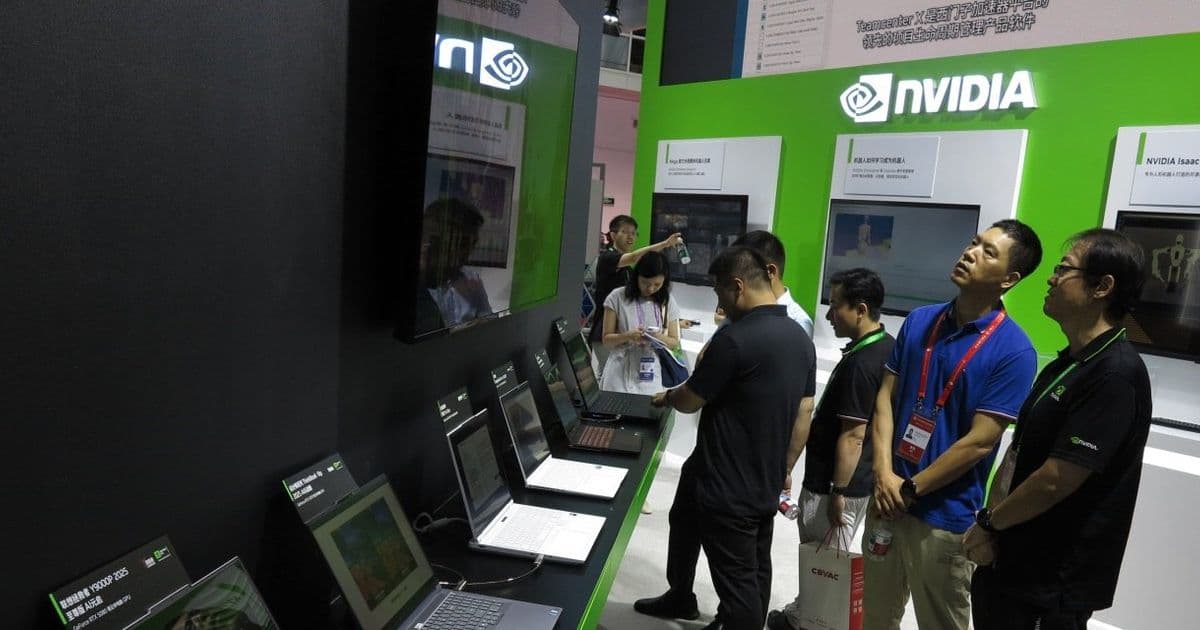
Major PC manufacturers including Dell and Lenovo are collaborating with Nvidia and MediaTek to develop laptops powered by a new Arm-based system-on-chip, targeting thinner designs and extended battery life for release in early 2026.
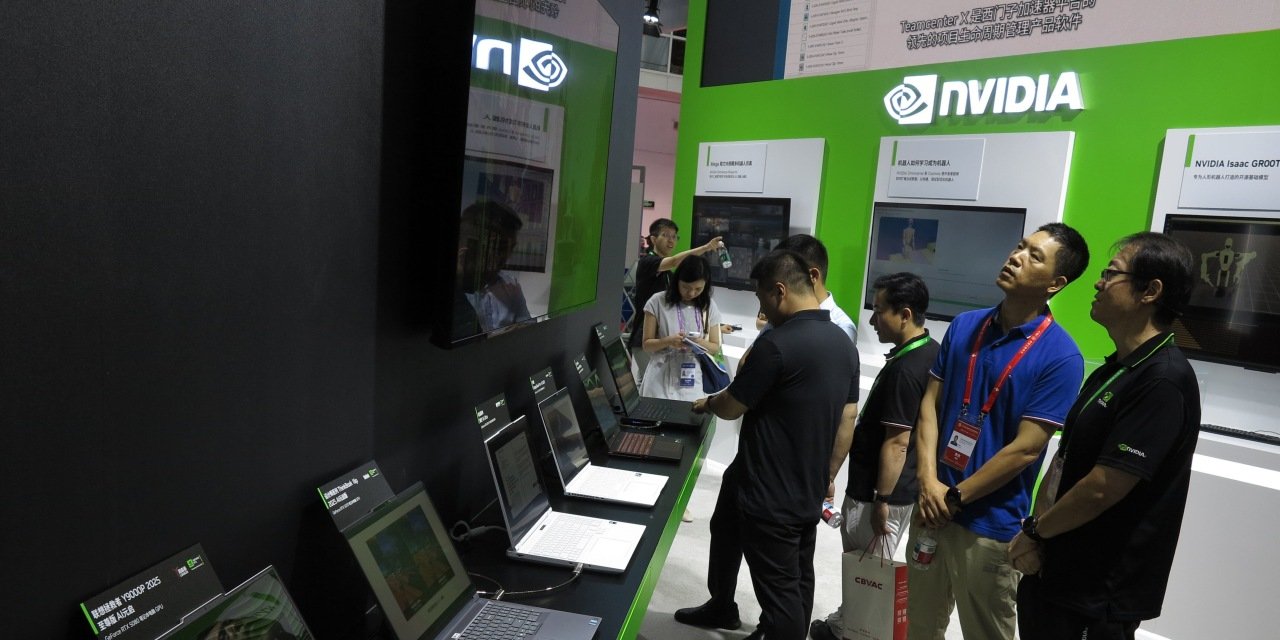
The personal computing landscape is poised for a structural shift as industry leaders Dell, Lenovo, and other major PC manufacturers collaborate with Nvidia and MediaTek on a new Arm-based system-on-chip (SoC) platform. According to sources speaking to the Wall Street Journal, these partnerships aim to deliver laptops in the first half of 2026 that fundamentally rethink the balance between performance, portability, and battery efficiency.
This initiative directly addresses a longstanding constraint in Windows laptops: the power consumption limitations of traditional x86 architectures. While Intel and AMD have made steady improvements, their designs still require significant thermal headroom and battery capacity to deliver high performance. The Nvidia-MediaTek SoC leverages Arm's inherently efficient instruction set architecture, which has demonstrated transformative power efficiency in smartphones and Apple's M-series MacBooks. By combining Nvidia's GPU expertise for AI acceleration and MediaTek's system integration capabilities, the partnership targets a solution that enables thinner, lighter form factors without sacrificing battery longevity—a critical consideration for mobile professionals and consumers alike.
Industry observers note this move signals a strategic pivot. PC makers are seeking alternatives to compete with Apple's vertically integrated hardware, which has set new benchmarks for battery life in premium laptops. The collaboration also reflects Nvidia's expanding ambitions beyond data center GPUs into client computing, leveraging its AI capabilities in a consumer-facing product category. MediaTek, traditionally strong in mobile and IoT chipsets, gains a foothold in the high-stakes PC market through this partnership.
Technical details remain limited, but the architecture will likely integrate Nvidia's next-generation AI accelerators alongside MediaTek's compute cores. This positions the platform to handle increasingly demanding on-device AI workloads—from real-time translation to advanced image processing—while maintaining thermal efficiency. The timing aligns with Microsoft's ongoing investments in Arm compatibility for Windows, including native compilation of core applications and developer tools.
For consumers, the potential benefits extend beyond battery life. Arm's efficiency could enable fanless designs in performance-tier laptops, reduce device weight significantly, and potentially lower costs through simplified cooling systems. Enterprise IT departments may see value in devices requiring less frequent charging for field personnel or reducing electricity consumption across large fleets.
The project faces challenges, including software ecosystem maturity. While Windows on Arm has improved, compatibility issues persist with niche applications and drivers. Additionally, Intel and AMD are aggressively pursuing their own efficiency improvements. However, the collective backing by multiple OEMs suggests confidence in overcoming these hurdles. If successful, this initiative could reshape laptop design priorities and accelerate adoption of Arm architecture beyond mobile devices into mainstream computing.
Comments
Please log in or register to join the discussion