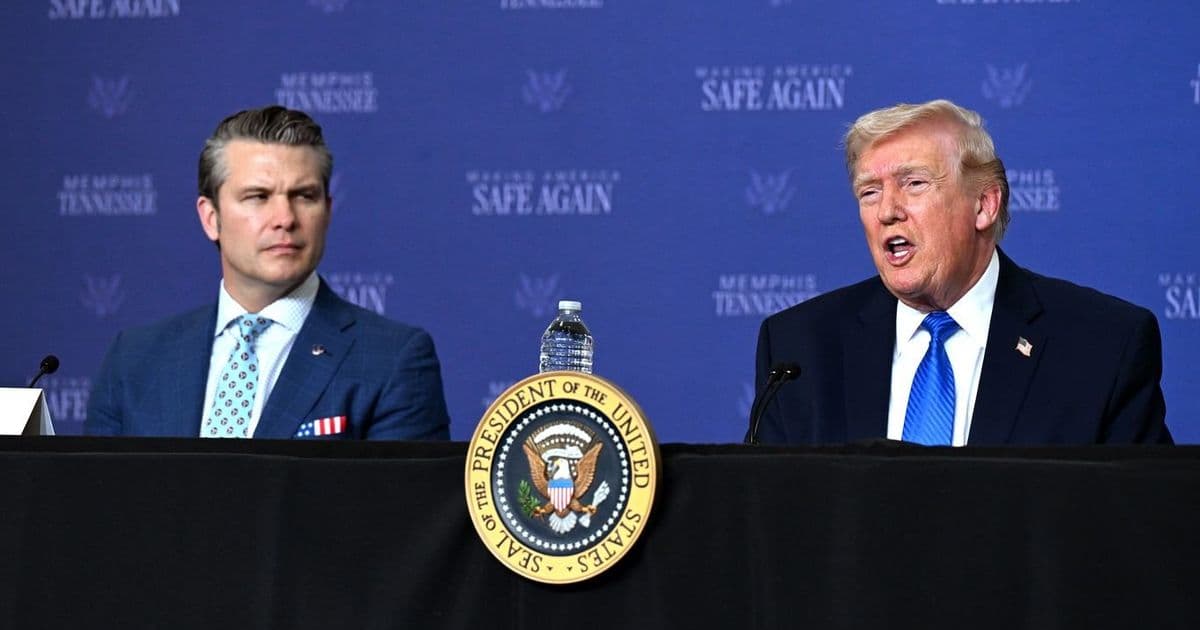
The Pentagon has revised its media access policies following a federal judge's ruling that blocked the Department of Defense from implementing restrictive new rules for press coverage of military operations.
The Pentagon has revised its media access policies following a federal judge's ruling that blocked the Department of Defense from implementing restrictive new rules for press coverage of military operations.
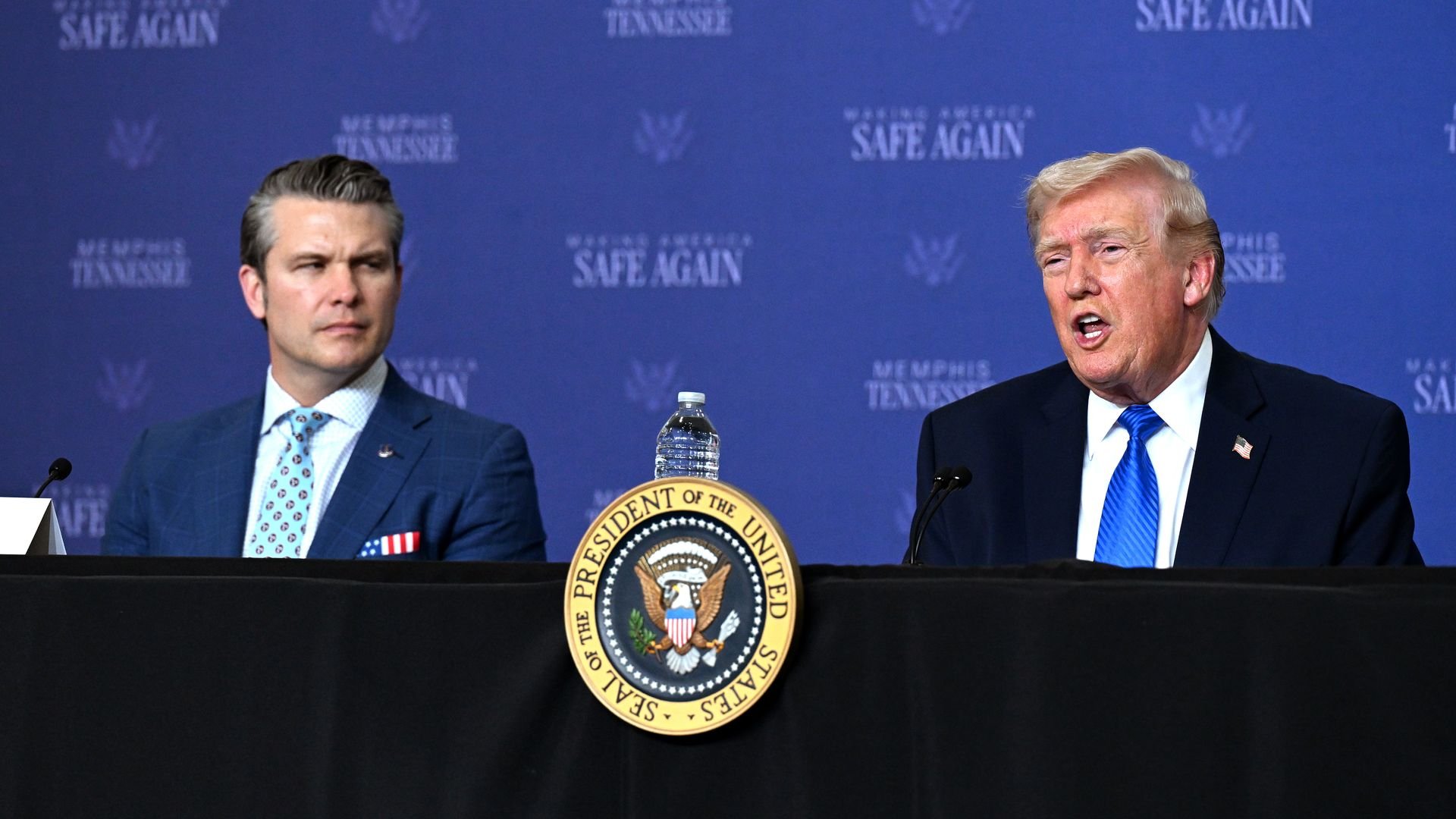
A federal judge has temporarily blocked the Pentagon from enforcing new media restrictions that would have significantly limited journalists' access to military operations and information. The ruling came after press freedom groups filed an emergency lawsuit challenging the Department of Defense's proposed changes to longstanding press policies.
The original policy changes, announced earlier this month, would have required journalists to obtain advance approval before covering military activities, restricted the use of certain recording devices, and limited the ability of reporters to independently verify information from military sources. Press organizations argued these changes would effectively muzzle independent reporting on military affairs.
In response to the court's intervention, Pentagon officials have announced a revised media policy that attempts to balance operational security concerns with press freedom. The new framework maintains some restrictions on sensitive operations but restores many of the access rights that journalists have traditionally enjoyed.
Press freedom advocates have cautiously welcomed the revised policy while noting that certain provisions still raise concerns about transparency. The Society of Professional Journalists stated that while the new rules represent progress, they will continue to monitor implementation to ensure compliance with First Amendment principles.
The legal challenge highlighted growing tensions between military leadership and the press over access to information about military operations. Defense officials have cited national security concerns and the need to prevent the release of sensitive operational details as justification for tighter controls.
This development comes amid broader debates about government transparency and the role of independent media in covering national security issues. The Pentagon's initial attempt to restrict press access drew criticism from both press organizations and members of Congress who argued that limiting media coverage could reduce public accountability for military actions.
The revised policy will undergo a 30-day public comment period before final implementation. Press organizations have indicated they will continue to advocate for maximum transparency while working with defense officials to address legitimate security concerns.
Legal experts suggest this case could set important precedents for how military operations are covered in the future, particularly as conflicts increasingly involve cyber operations and other areas where the line between public information and operational security can be difficult to define.
As the Pentagon moves forward with its revised approach, the relationship between military leadership and the press remains under scrutiny, with both sides seeking to establish protocols that protect national security while preserving the public's right to information about military activities.
Comments
Please log in or register to join the discussion