The Pentagon is actively considering a significant escalation of U.S. military presence in the Middle East, with plans to deploy up to 10,000 additional combat troops amid rising tensions with Iran.
The Pentagon is actively weighing a major military escalation in the Middle East, with plans to deploy up to 10,000 additional combat troops to the region amid escalating tensions with Iran. This potential buildup represents one of the most significant U.S. military deployments in recent years and signals growing concerns about regional stability.
According to sources familiar with the deliberations, the proposal would add roughly 10,000 combat troops to existing forces stationed across the Middle East. The deployment would likely include a mix of infantry units, armored divisions, and support personnel, though specific unit designations have not yet been finalized.
This potential troop increase comes as the Trump administration continues to apply maximum pressure on Iran through economic sanctions and diplomatic isolation. The move would significantly expand America's military footprint in a region already hosting tens of thousands of U.S. service members across bases in countries including Qatar, Bahrain, Kuwait, and the United Arab Emirates.
The timing of this proposal is particularly notable given the current geopolitical landscape. Iran has recently accelerated its nuclear program activities, moving closer to weapons-grade uranium enrichment levels. Additionally, proxy forces backed by Tehran have increased attacks on U.S. interests and allies throughout the region, from Yemen to Syria.
Military analysts suggest the proposed deployment could serve multiple strategic purposes. First, it would demonstrate American resolve to both allies and adversaries in the region. Second, it would provide enhanced deterrence against potential Iranian aggression. Third, it would give the U.S. greater flexibility to respond to emerging threats or crises.
However, the proposal has already sparked debate within defense circles. Some military leaders have expressed concerns about the strain such a deployment would place on an already stretched force. The U.S. military has been operating at high operational tempo for years, with frequent rotations to combat zones and extended deployments.
Logistics experts note that moving 10,000 troops and their equipment would require months of preparation. This would involve coordinating transport assets, securing basing agreements with regional partners, and ensuring adequate supply lines for sustained operations. The cost of such a deployment could run into billions of dollars annually.
Regional allies have been briefed on the potential deployment, though reactions have been mixed. Some Gulf states have welcomed the prospect of increased American military presence as a counterbalance to Iranian influence. Others have expressed concern about the risk of escalation and the potential for their territories to become targets.
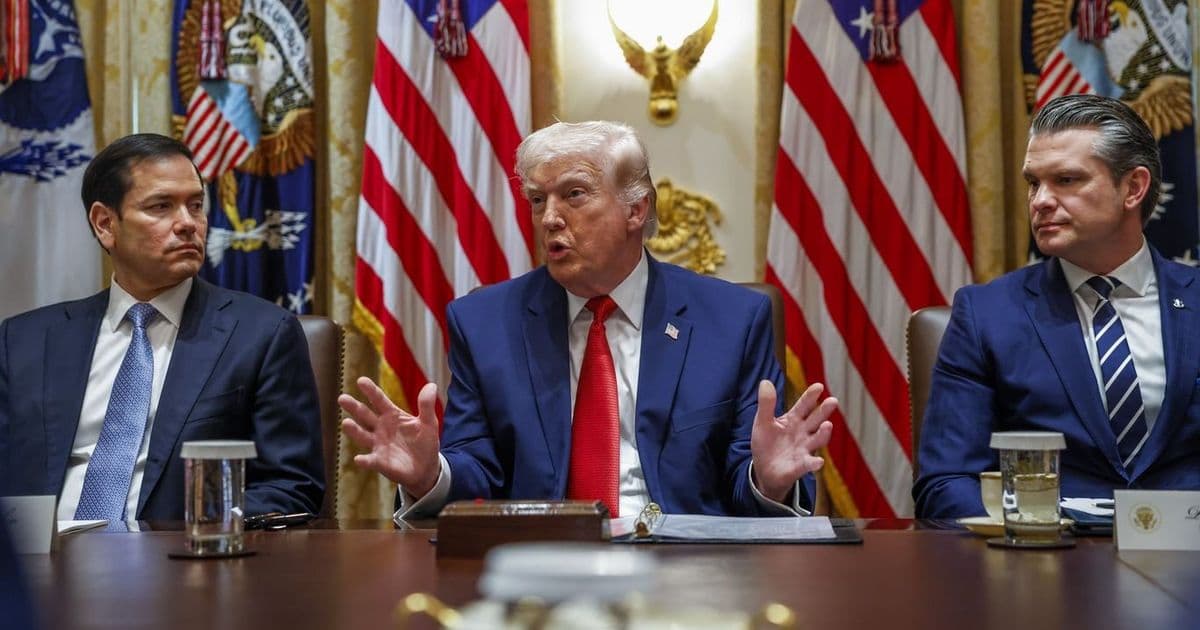
The proposal comes as Secretary of State Marco Rubio, President Trump, and Secretary of Defense Pete Hegseth have been holding high-level discussions about Iran policy. These meetings have focused on coordinating diplomatic, economic, and military strategies to address what the administration views as growing Iranian threats.
Critics of the potential deployment argue that adding more troops could actually increase the risk of conflict rather than prevent it. They point to the possibility of miscalculation or accidental escalation in an already tense environment. Some have called for renewed diplomatic efforts instead of military escalation.
As deliberations continue within the Pentagon, the administration faces a critical decision about the future of U.S. military posture in the Middle East. The outcome will have significant implications for regional stability, American strategic interests, and the lives of thousands of service members who could be affected by the deployment.
The proposal represents a potential shift from the Trump administration's previous approach, which had emphasized reducing American military commitments abroad. If approved, it would mark a return to a more interventionist posture in the Middle East, reminiscent of policies from earlier administrations.
With tensions continuing to rise and the situation on the ground evolving rapidly, the Pentagon's decision on this troop deployment could come within weeks. The administration has not indicated when a final decision might be announced, but military planners are reportedly working under the assumption that approval could come soon.
As this situation develops, all eyes will be on the White House and Pentagon for signals about America's strategic direction in one of the world's most volatile regions. The potential deployment of 10,000 additional troops represents not just a military decision, but a significant geopolitical statement about U.S. intentions and capabilities in the Middle East.
Comments
Please log in or register to join the discussion