As the Iran war continues to disrupt global energy markets, the Philippines is calling for enhanced regional coordination within ASEAN to mitigate the economic fallout, with particular focus on energy security and inflation management.
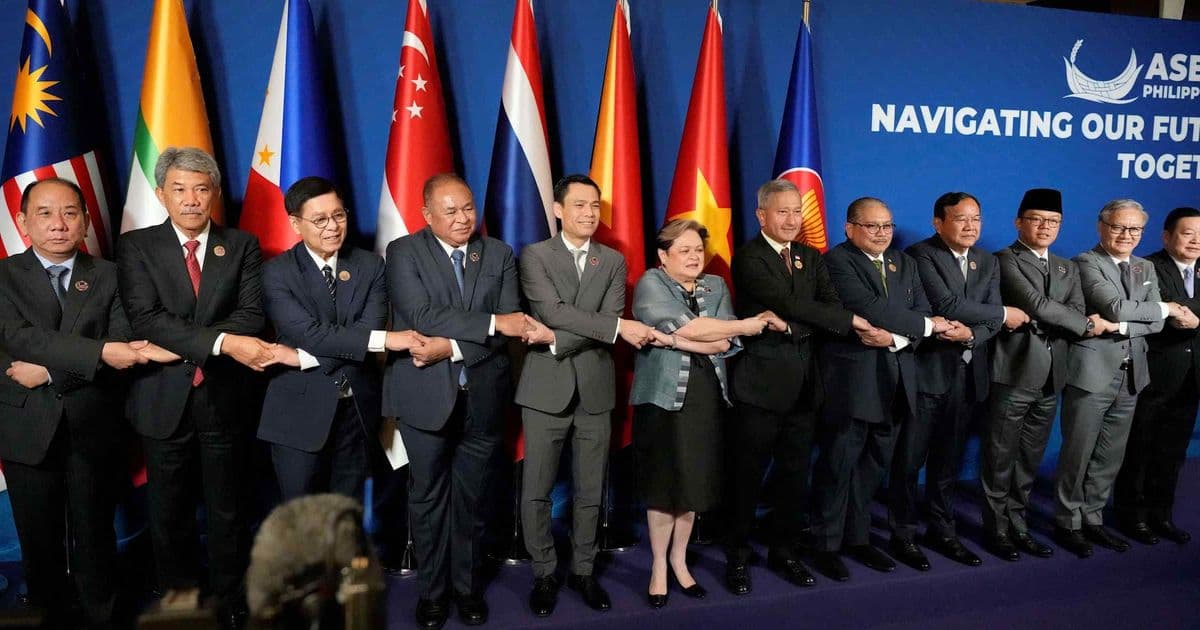
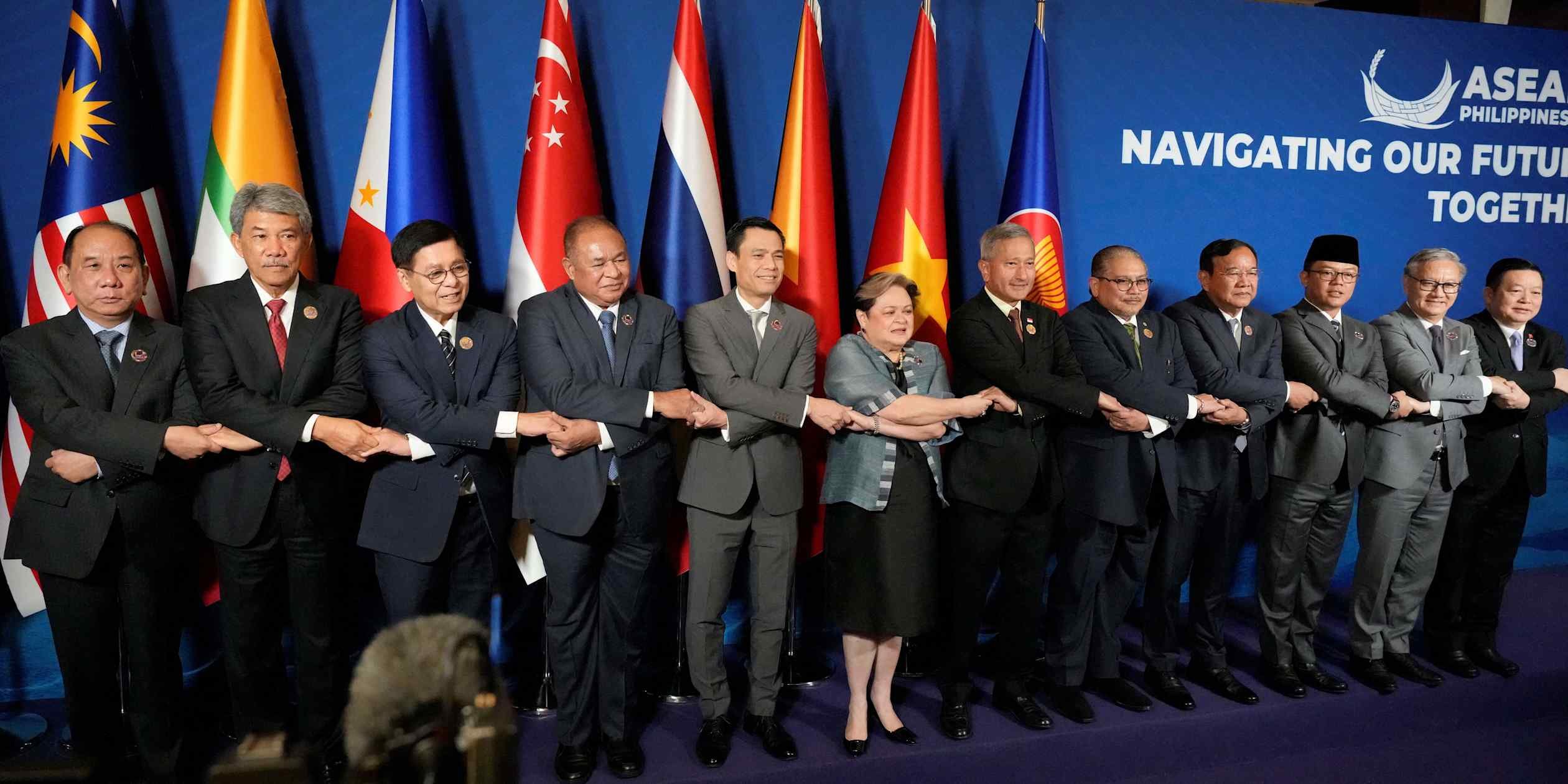
The Philippines has taken the lead in urging ASEAN nations to strengthen crisis coordination mechanisms as the ongoing conflict in Iran continues to create significant economic disruptions across Southeast Asia. The call came from Philippine Foreign Affairs Secretary Maria Theresa Lazaro during two days of ministerial meetings in Cebu, which preceded a regional leaders summit.
"We need greater institutional readiness to address the cascading effects of global energy disruptions," Secretary Lazaro stated, emphasizing how the Iran war has created outsized impacts on ASEAN member states despite the region not being directly involved in the conflict. The Philippines' initiative reflects growing concerns about the vulnerability of Southeast Asian economies to external shocks, particularly in the energy sector.
The timing of this call is particularly significant. Oil prices have remained elevated since the conflict began, with Brent crude fluctuating between $85-$95 per barrel over the past quarter. This has translated directly to increased inflationary pressures across the region, with Vietnam and Philippines experiencing the highest inflation rates among ASEAN nations, both exceeding central bank targets by 2-3 percentage points.
In response to the supply disruptions, ASEAN states have already begun diversifying their oil import sources. According to trade data, the bloc has increased imports from Brunei by 23%, Libya by 18%, and the United States by 15% since the conflict began. However, these alternative sources often come at higher price points, contributing to the inflationary pressures.
The energy security concerns extend beyond immediate price impacts. Several ASEAN nations, particularly Indonesia and Malaysia, have significant fuel subsidy programs that are now under strain due to higher import costs. The Philippines, while having reduced its fuel subsidies in recent years, still faces pressure to maintain price controls on essential petroleum products.
The strategic implications of this crisis coordination initiative are multifaceted. First, it represents recognition that economic security in the 21st century is increasingly intertwined with energy security. Second, it highlights the limitations of purely national responses to global market disruptions. Third, it may accelerate the development of regional energy infrastructure, such as shared storage facilities and distribution networks.
The Philippines' proposal reportedly includes several concrete measures: establishing a regional energy monitoring center, creating a coordinated response mechanism for supply disruptions, and developing shared contingency plans for various conflict scenarios. These initiatives would require significant diplomatic coordination and potentially financial commitments from member states.
The economic context makes this coordination particularly urgent. The Asian Development Bank estimates that prolonged energy market disruptions could reduce ASEAN's collective GDP growth by 0.7-1.2 percentage points over the next two years. For individual nations, the impact varies based on energy dependency levels and economic structure.
The Philippines, as the current chair of ASEAN, is in a unique position to advance this agenda. The country has been actively pursuing an independent foreign policy while maintaining strong relationships with both Western powers and regional neighbors. This diplomatic positioning allows it to bridge different perspectives within the diverse 10-member bloc.
The meetings in Cebu also addressed related issues, including the economic fallout from the conflict on trade routes and supply chains. The Strait of Malacca, through which a significant portion of global oil shipments pass, has seen increased insurance costs and rerouting of vessels, adding to transportation costs across the region.
As the Iran war shows no signs of resolution, the economic pressure on ASEAN nations is likely to continue. The effectiveness of the proposed crisis coordination mechanisms will be tested in the coming months, with potential long-term implications for how the bloc approaches economic security challenges in an increasingly volatile global environment.
The article also touches on other international relations developments in the region, including India and Vietnam's agreement on defense, minerals, and rare-earth ties; Japan's increased involvement in Angola's oil and minerals sector; and Japan and Indonesia's recent defense agreement for equipment transfers. These developments suggest a broader realignment of economic and security relationships in Asia amid the changing global landscape.
For ASEAN, the challenge will be to balance immediate crisis response with longer-term strategic positioning. The Philippines' initiative may serve as a catalyst for more integrated approaches to economic security, potentially setting precedents for how the bloc responds to future global disruptions.
The outcome of the Cebu meetings and the subsequent leaders summit will be closely watched by regional partners and global markets as indicators of ASEAN's capacity to maintain economic stability amid external shocks.
Comments
Please log in or register to join the discussion