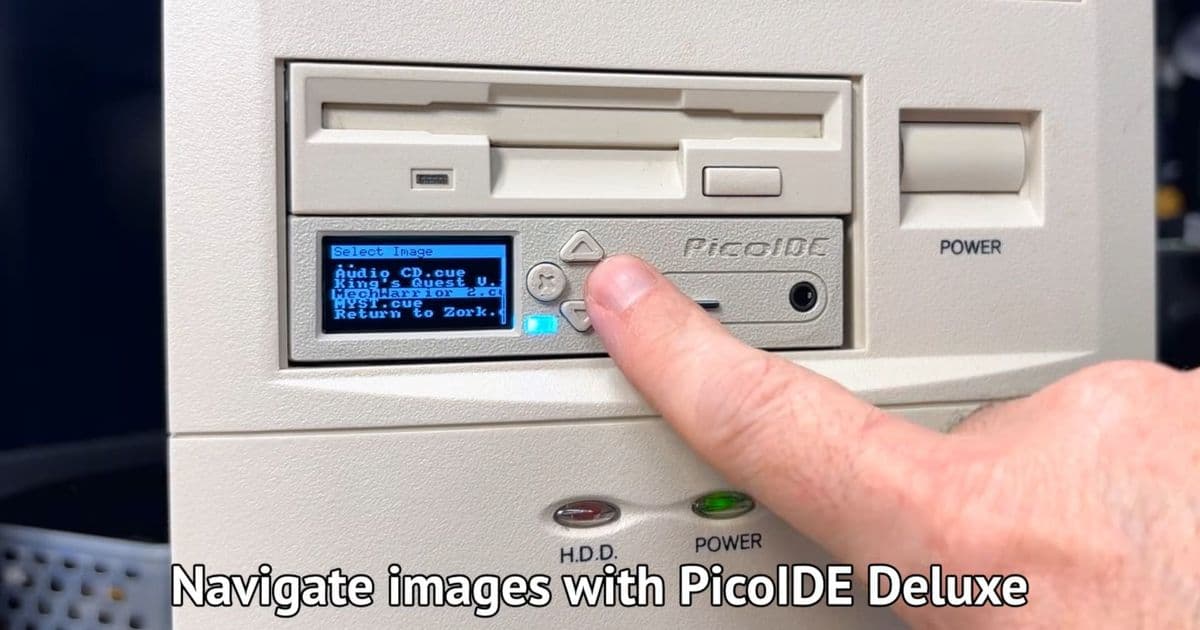
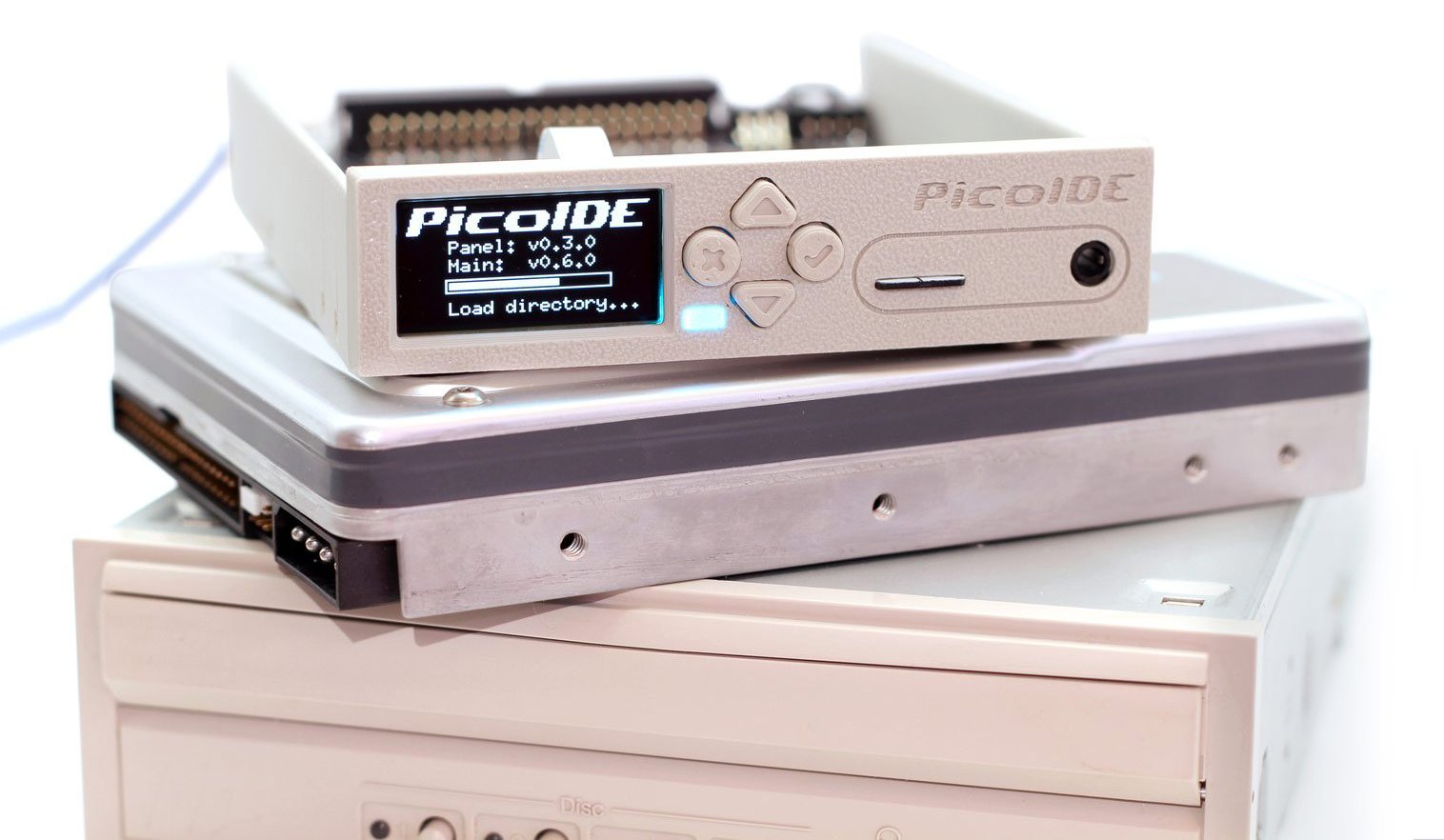
PicoIDE offers a drop-in 3.5-inch bay solution that replaces aging optical drives and HDDs in vintage PCs with modern microSD storage, supporting multiple drive images and emulating various drive geometries.
The retro-computing community has gained a powerful new tool with the launch of PicoIDE, an open-source IDE/ATAPI drive emulator designed specifically for vintage computers. Developed by Polpotronics LLC, this innovative device addresses the growing scarcity of replacement optical drives and hard disk drives for classic PCs while offering modern convenience through microSD storage.
Modern Solution for Aging Hardware
Vintage computer enthusiasts often face the challenge of maintaining systems that rely on increasingly unreliable storage media. As Polpotronics notes, "worn out lasers, crashed heads, or bad sectors" plague even well-maintained vintage PCs, and finding like-for-like hardware replacements has become increasingly difficult.
The PicoIDE offers a compelling alternative by fitting into standard 3.5-inch drive bays and connecting via traditional 40-pin IDE connectors and 4-pin Molex power. The device maintains the aesthetic of the era with injection-molded enclosures available in beige or black, ensuring it looks at home in any retro build.
Technical Capabilities
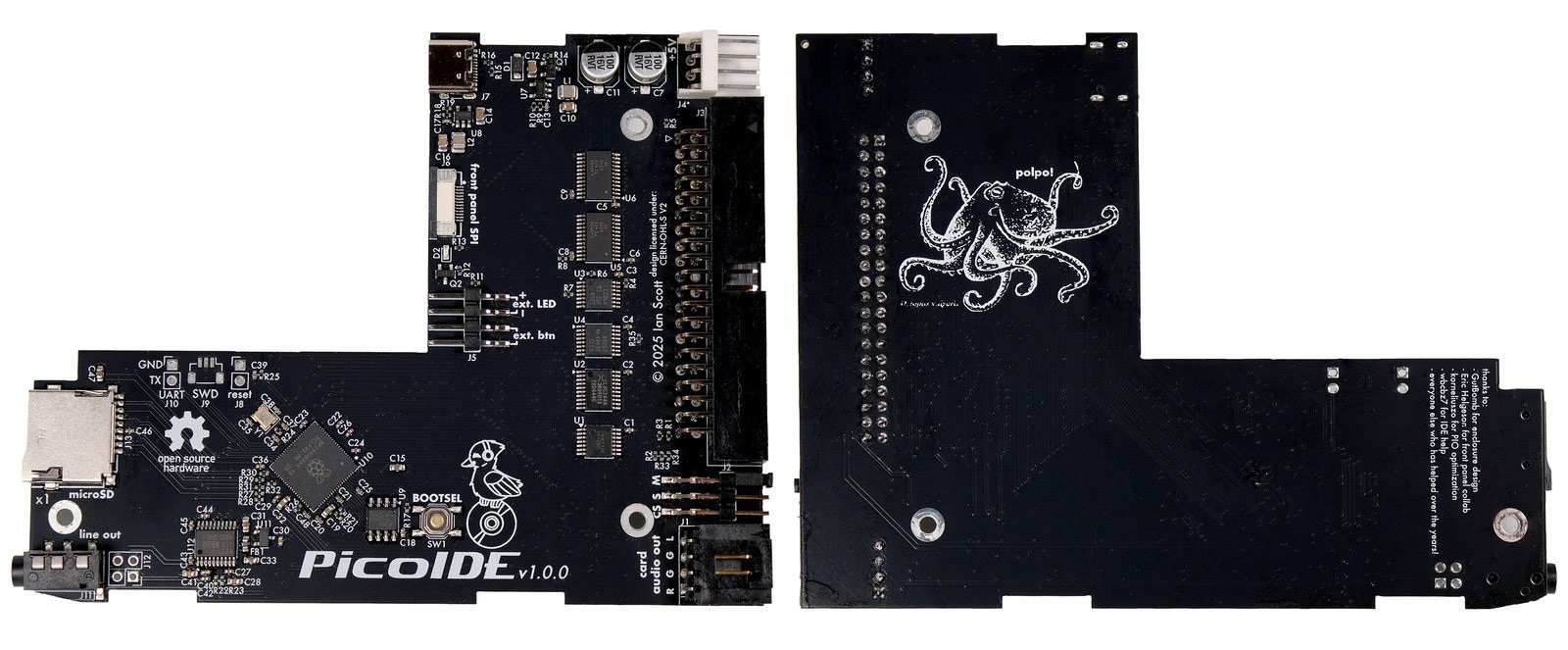
At the heart of the PicoIDE is a Raspberry Pi RP2350 microcontroller, which drives the device's impressive feature set. The system employs PIO state machines to accelerate IDE bus operations and implements double-buffered read-ahead for optimal throughput.
The device supports both ATAPI CD-ROM drive emulation and IDE fixed hard drive emulation, storing images on microSD cards formatted with FAT32 or exFAT. For optical media, it handles .bin/.cue formats with audio track support and .iso files. Hard drive images are supported in .img, .hda, .vhd (with CHS geometry), and .hdf formats.
Flexible Compatibility
One of PicoIDE's standout features is its support for both LBA and CHS addressing modes, maximizing compatibility with a wide range of vintage systems. Users can configure vendor and model strings to work with particularly picky systems that may reject unrecognized hardware.
The device supports PIO modes 0-4 and multi-word DMA modes 0-2, ensuring it can interface with various vintage hardware configurations without performance bottlenecks.
Multi-Image Convenience
Perhaps the most compelling feature for retro enthusiasts is PicoIDE's ability to store multiple drive images on a single microSD card and switch between them on-the-fly. This means users can maintain different DOS, Windows, OS/2, and other operating system installations, selecting their desired configuration at next boot without physically swapping drives.
Audio Capabilities
For systems that rely on CD audio, PicoIDE includes a high-quality TI PCM5100A DAC for audio output. The device features both an MPC-2 header for internal sound card connection and a 3.5mm line-out jack for external audio, ensuring compatibility with various audio setups common in vintage systems.
Open-Source Commitment
True to its open-source ethos, PicoIDE's hardware, firmware, and documentation are all open source. The team has committed to releasing all design and source files on GitHub before shipping begins, with documentation already available to the community.
Pricing and Availability
PicoIDE is available in two configurations:
- PicoIDE Base: $69 (beige)
- PicoIDE Deluxe: $110 (beige or black)
Both versions include free shipping within the U.S. and are expected to begin shipping on June 14. The project is currently crowdfunding, and backers should note that crowdfunding involves investment in the project's success rather than purchasing a guaranteed retail product.
Impact on the Retro-Computing Community
The PicoIDE represents a significant advancement for vintage computer preservation. By providing a reliable, modern alternative to failing optical drives and hard disks, it helps ensure that classic systems can continue to be used and enjoyed without the constant threat of hardware failure.
The open-source nature of the project also means that the community can contribute to its development and adaptation for various use cases, potentially extending its utility beyond the initial design parameters.
For retro-computing enthusiasts looking to preserve their vintage systems while adding modern convenience, PicoIDE offers a compelling solution that bridges the gap between old and new technology.
Comments
Please log in or register to join the discussion