
Linux gaming has evolved dramatically, and PikaOS stands out as a Debian-based distribution designed specifically for gamers, offering a seamless setup without command-line hassles. With pre-installed tools like Steam and Lutris, it delivers an out-of-the-box experience that rivals dedicated gaming rigs. This review explores how PikaOS simplifies the path to Linux gaming while highlighting its performance and limitations.
PikaOS: The Debian-Based Linux Distro That Makes Gaming Effortless
Linux has long been a playground for developers and tinkerers, but its reputation for gaming has undergone a remarkable transformation. Once a niche pursuit requiring manual configurations and workarounds, gaming on Linux now benefits from distributions like PikaOS, a Debian-based release tailored for gamers. By prioritizing ease of use and pre-configured software, PikaOS lowers the barrier to entry, allowing users to dive into their favorite titles with minimal setup.
A Streamlined Installation Process
The journey with PikaOS begins with its installer, which stands out for its simplicity. Unlike many Linux distributions that demand familiarity with the terminal, PikaOS guides users through a graphical interface. Upon completion, the system reboots into a user creation screen, followed by an onboarding tool that automates the installation of essential drivers, codecs, and the PikaOS Gaming Meta Package. This package bundles critical gaming tools, ensuring that Steam, Proton, and Wine are ready to go after a quick reboot.

Once logged in, a Welcome app provides additional customization options, from printer setup to theme adjustments, making the desktop feel polished and approachable. PikaOS employs the GNOME desktop environment with the Dash to Dock extension, creating a familiar and intuitive interface. The Application Overlay reveals a suite of gaming-focused applications pre-installed, including:
- PikaOS Kernel Manager
- ProtonPlus
- Steam
- Wine Control Panel
- Lutris
- Heroic Games
This collection underscores PikaOS's commitment to "gaming out of the box," eliminating the need for post-installation tweaks that often plague other distros.
Performance in Action
Testing PikaOS with Steam confirms its gaming prowess. After logging in and downloading a title, users can launch games with ease, though large downloads and shader processing may test patience—likely due to server loads rather than the distro itself. In a virtual machine setup with limited resources (5GB RAM, 2 CPU cores, no dedicated GPU), the distro handled Albion Online adequately, though lag was evident. On bare-metal hardware, performance is expected to shine, making PikaOS a strong contender for gamers seeking a hassle-free Linux experience.
However, challenges persist. Anti-cheat systems in certain Windows-only games can disrupt play, a common hurdle in Linux gaming. PikaOS performs admirably within these constraints, but users should verify game compatibility via Steam's Linux support ratings.
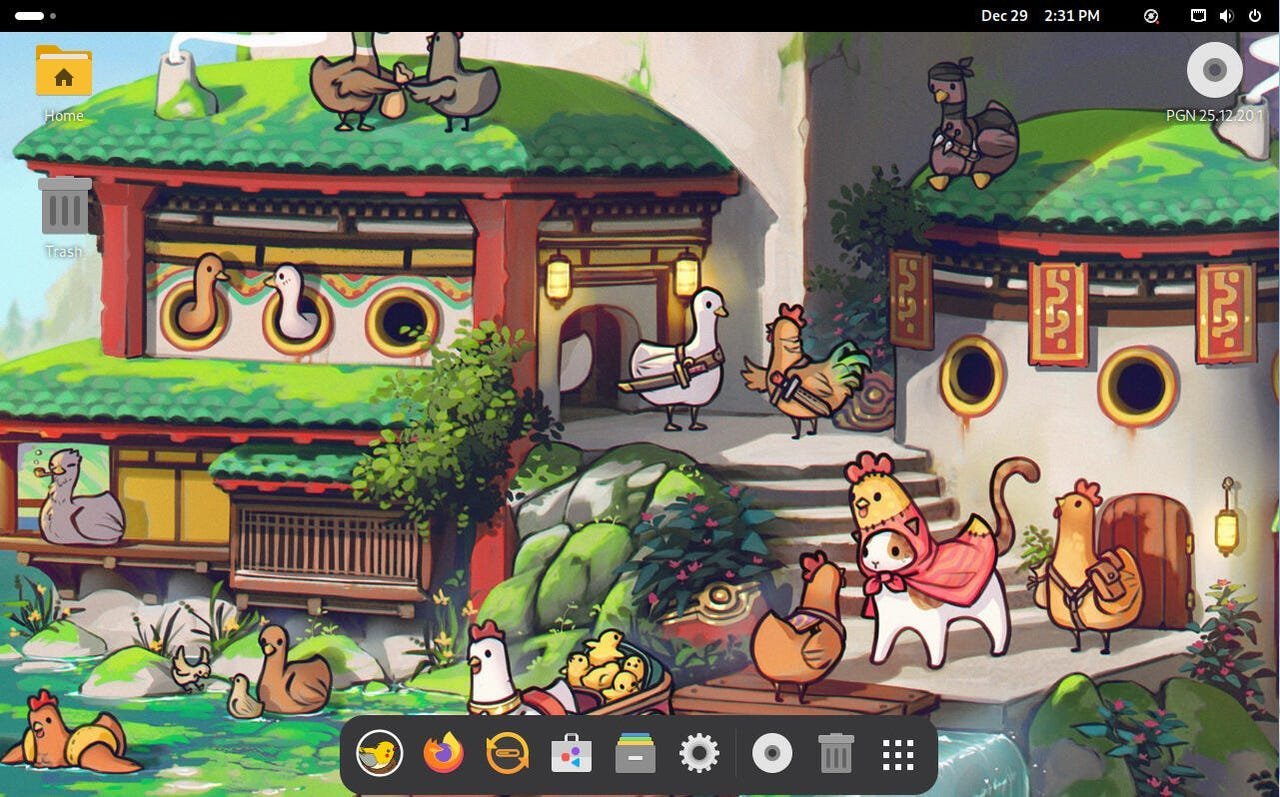
Customization and Expandability
PikaOS's GNOME foundation allows for easy personalization. The Extension Manager includes disabled options like Apps Menu and Dash to Panel, ready to activate with a simple toggle. While gaming tools dominate the pre-installed software, productivity apps are sparse—understandably, given the focus. GNOME Software and Flatpak support open the door to a vast ecosystem, including proprietary apps like Slack and Spotify, ensuring PikaOS remains versatile.
Implications for Linux Gamers
PikaOS represents a maturing Linux gaming landscape, where distributions cater to specific needs without sacrificing accessibility. For developers and engineers exploring Linux for gaming or dual-use setups, this distro offers a compelling alternative to Windows, especially with Valve's ongoing Proton advancements. As anti-cheat issues evolve, PikaOS could further solidify Linux's place in competitive gaming. For now, it excels as a user-friendly gateway, inviting more users to experience open-source gaming's potential.
Source: This article is based on a review by Jack Wallen for ZDNET, published on December 29, 2025.
Comments
Please log in or register to join the discussion