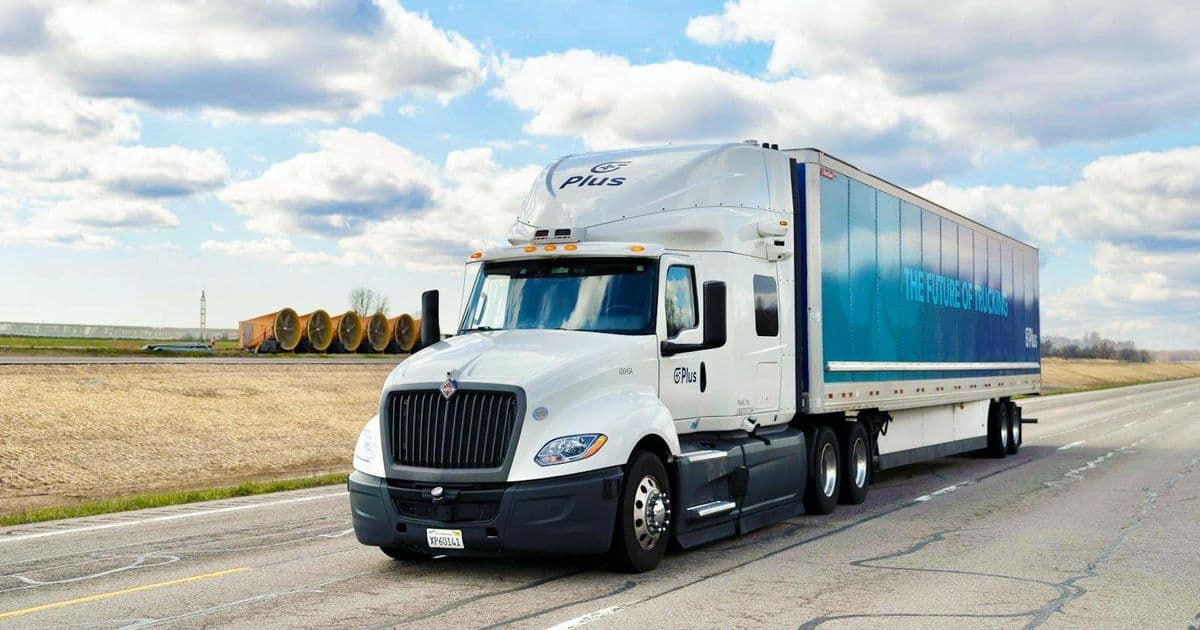
As PlusAI prepares to go public next month, CEO David Liu discusses the company's ongoing commercial trial of its autonomous truck driving software, the challenges of scaling beyond pilot programs, and his vision for a future where most vehicles drive themselves.
The autonomous vehicle industry has seen its share of hype cycles, but for PlusAI, the path to a public listing next month is paved with real-world data from commercial trials. In a recent Q&A with Sherwood News, CEO David Liu offered a grounded perspective on where the technology stands today and where it's headed.
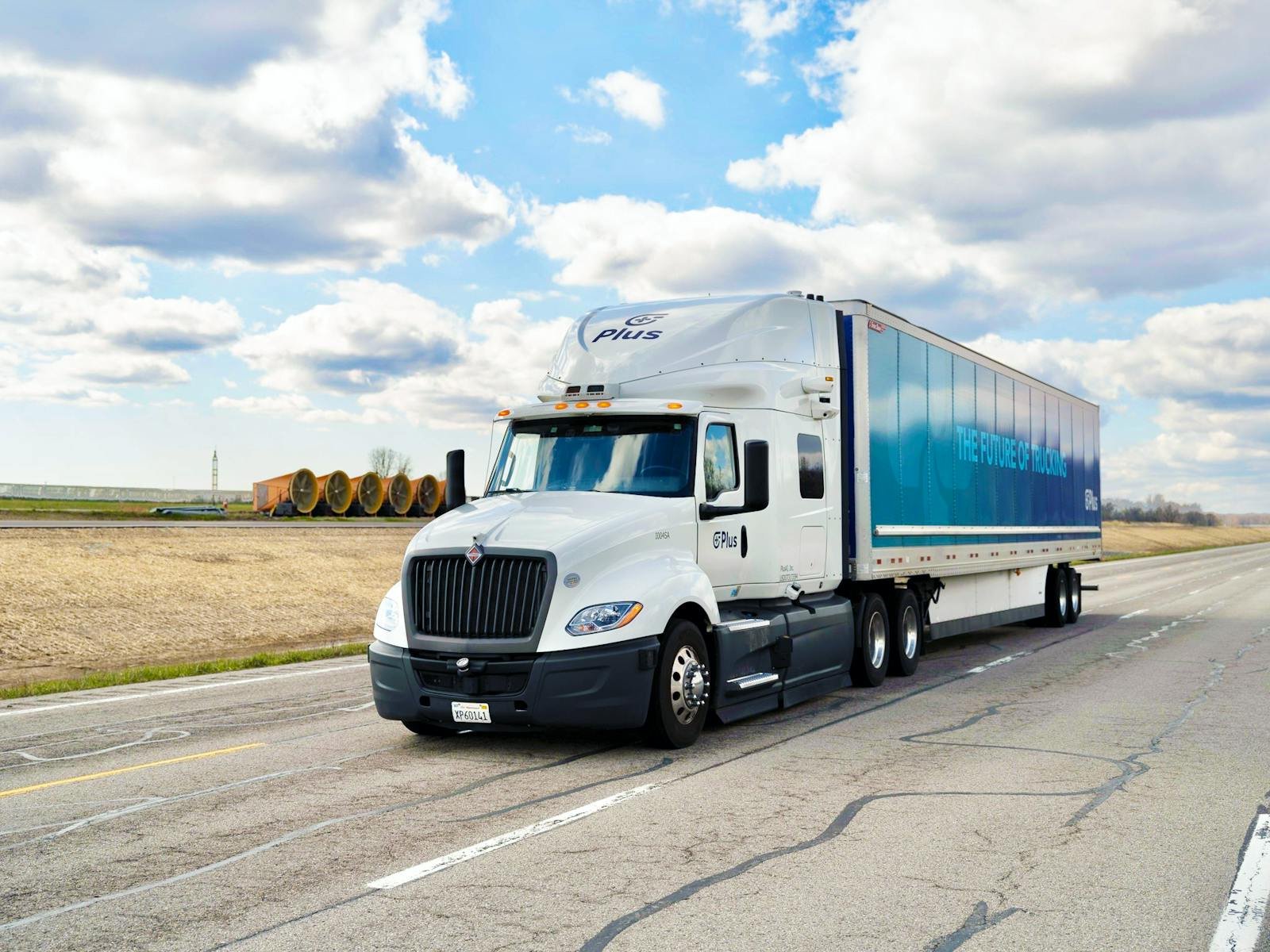
PlusAI's core product is its autonomous driving software, which is designed for long-haul trucking. The company has been running commercial trials with major logistics partners, testing its system on real routes with real freight. This isn't a simulation; it's the company's proving ground for its technology and business model.
"We're not just building a demo," Liu explained. "We're building a system that needs to work reliably, day in and day out, in the complex environment of highway driving." The commercial trial is the critical bridge between development and deployment. It's where the software meets unpredictable weather, varied road conditions, and the constant need for safety and reliability.
The stakes are high. The trucking industry faces a chronic driver shortage, rising operational costs, and pressure to improve safety and efficiency. Autonomous solutions promise to address these issues, but only if they can prove they are safer and more cost-effective than human drivers over the long term. For PlusAI, the trial data is essential to demonstrate that value proposition to future customers and, now, to public market investors.
Liu's vision extends beyond trucking. He envisions a future where most vehicles, commercial or not, are driving themselves. This is a common refrain in the autonomous vehicle space, but Liu's focus on the commercial sector first is a strategic one. The economics of autonomous trucking are more straightforward to model than consumer vehicles. The routes are predictable, the revenue is tied to freight contracts, and the operational parameters are well-defined. Success in this arena provides a clear blueprint for scaling into other segments.
The company's upcoming IPO will be a significant test of that blueprint. It will provide the capital needed to scale its operations and commercial trials, but it will also subject the company to the scrutiny of public markets. Investors will be looking for tangible progress in its commercial deployments and a clear path to profitability. The valuation will hinge not just on the technology's potential, but on its demonstrated ability to execute in the current market.
PlusAI's journey reflects a broader maturation in the autonomous vehicle sector. The initial wave of excitement has given way to a more pragmatic phase focused on specific, high-value applications where the technology can deliver clear economic benefits. For Liu and his team, the road to IPO is a milestone, but the real test begins after the bell rings, as they work to turn commercial trials into a sustainable, scalable business.
Comments
Please log in or register to join the discussion