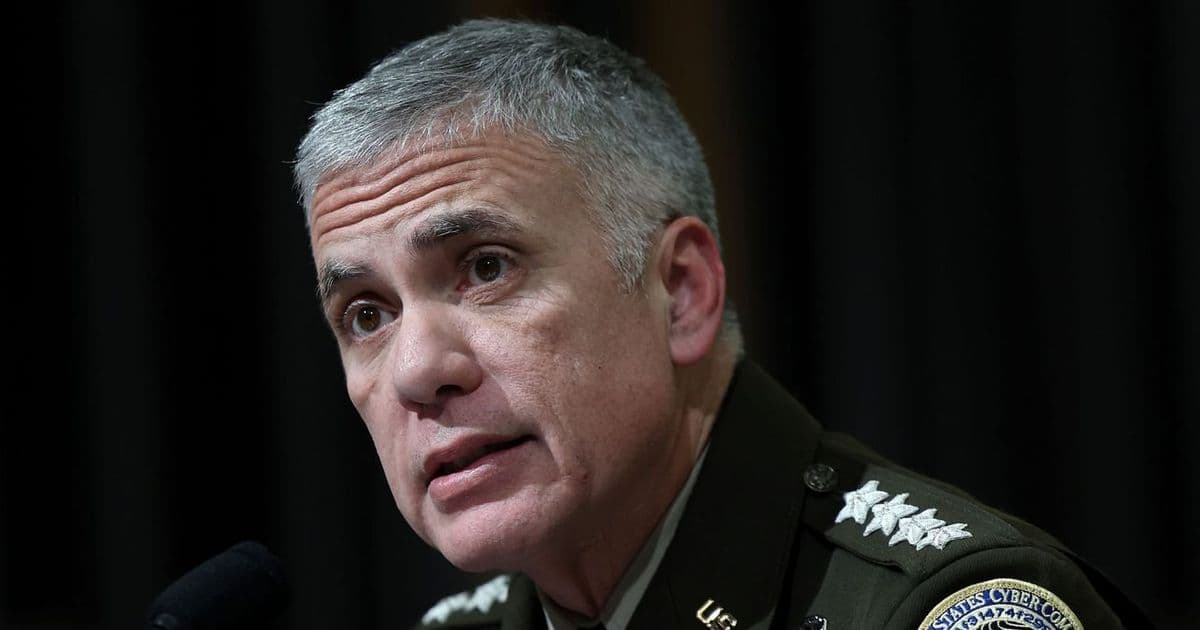
Former NSA and Cyber Command chief Paul Nakasone sounded alarms at Defcon about the US losing ground against ransomware and the tech sector's struggle to remain neutral amid escalating global conflicts and domestic political upheaval. His warnings, delivered against a backdrop of Trump administration purges targeting cybersecurity officials, highlight a precarious future for digital defense.
The palpable tension between cybersecurity imperatives and political turbulence dominated conversations at recent major security conferences in Las Vegas. As the Trump administration reshapes federal agencies through personnel purges and policy shifts – including the revocation of former CISA director Chris Krebs' clearance and the rescinding of Jen Easterly's West Point appointment – uncertainty clouds US cyber priorities. Against this volatile backdrop, retired General Paul Nakasone, former head of the NSA and US Cyber Command and current OpenAI board member, delivered a sobering assessment at Defcon.
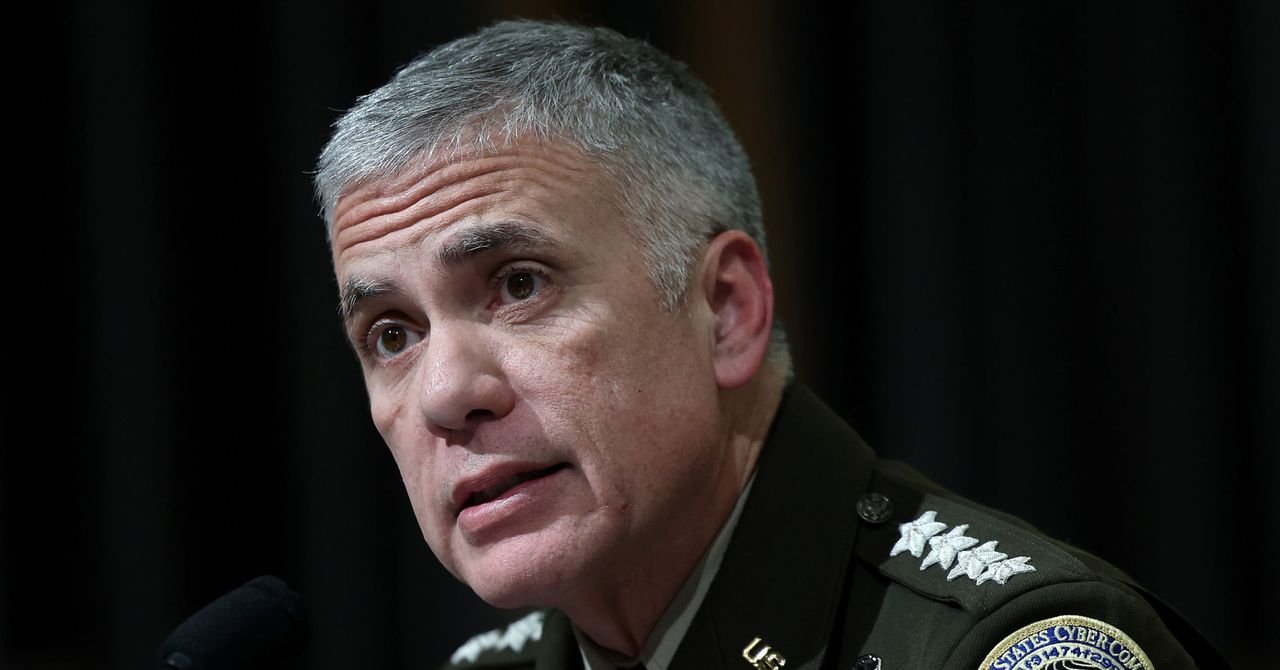
"Why aren't we thinking differently about ransomware, which I think right now is among the great scourges that we have in our country," Nakasone stated emphatically during his on-stage discussion with Defcon founder Jeff Moss. "We are not making progress against ransomware." His blunt critique underscored a critical failure in combating an increasingly devastating threat.
Nakasone also highlighted a structural vulnerability: the widening generational and experiential gap between the federal government and the technology sector driving innovation.
"When I was the director of NSA and commander of US Cyber Command, every single quarter I would go to the Bay or I'd go to Texas or Boston or other places to see technology," Nakasone reflected. "And every place that I went to, I was twice the age of the people that talked to me. And then when I came back to DC and I sat at the table, I was one of the younger people there. OK, that's a problem. That's a problem for our nation."
The discussion pivoted to the politicization of technology and the erosion of neutral ground. Moss pointedly asked, "How do you be neutral in this environment? Can you be neutral? Or is the world's environment since last year, Ukraine, Israel, Russia, Iran, just take your pick, America—how does anybody remain neutral?" He later admitted, "I think because I'm so stressed out by the chaos of the situation, I'm trying to feel how do I get control?"
Nakasone pointed to the lightning-fast sequence of the US "Stargate" AI infrastructure announcement – flanked by tech titans like Sam Altman, Larry Ellison, and Masayoshi Son – followed immediately by China's release of DeepSeek as emblematic of how AI has become a geopolitical battleground. Referencing Moss's comments on seeking refuge in open-source communities, Nakasone cast doubt on the sustainability of tech neutrality:
"This is going to be an interesting storyline that we play out through ‘25 and ’26. When we come back [to Defcon] next year to have this discussion, will we still be able to have this sense of, oh, we're truly neutral? I sense not. I think it's going to be very, very difficult."
His concluding remark serves as a stark warning: the converging pressures of relentless cyber threats like ransomware, intense global competition in foundational technologies like AI, and deep domestic political divisions are creating a perfect storm, challenging the very foundations of collaborative defense and neutral technological spaces the security community has long relied upon. The path forward demands not just technical solutions, but navigating an increasingly fractured and politicized landscape.
(Source: Wired)
Comments
Please log in or register to join the discussion