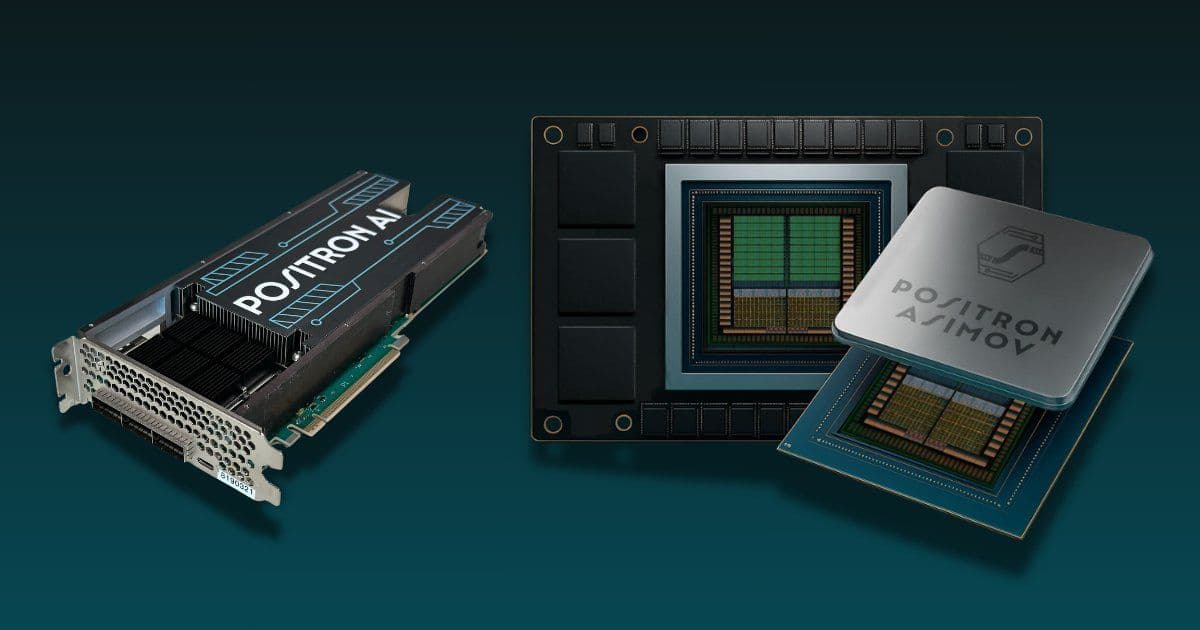
Reno-based semiconductor startup Positron has secured $230 million in Series B funding to develop high-speed memory chips, bringing its total funding to over $300 million.
The semiconductor industry is witnessing another significant funding round as Reno-based startup Positron has raised $230 million in Series B funding to develop high-speed memory chips. The funding round was led by the Qatar Investment Authority (QIA) and other investors, bringing Positron's total raised capital to over $300 million.
The Memory Chip Challenge
Memory chips represent one of the most critical bottlenecks in modern computing. As artificial intelligence workloads and data-intensive applications continue to grow, the demand for faster, more efficient memory solutions has become increasingly urgent. Traditional memory architectures are struggling to keep pace with the exponential growth in data processing requirements.
Positron is positioning itself to address this challenge by developing next-generation memory technologies that promise significantly higher speeds and lower latency than current solutions. The company's approach focuses on innovative architectures that can handle the massive data throughput required by AI training and inference workloads.
Why This Matters Now
The timing of this funding round is particularly significant given the current semiconductor landscape. With AI driving unprecedented demand for computational power, memory performance has become a critical factor in overall system performance. Companies like Nvidia have highlighted memory bandwidth as a key constraint in their latest AI accelerators.
This investment also comes amid broader industry trends toward domestic semiconductor manufacturing and innovation. The U.S. government has been actively supporting domestic chip development through various initiatives, recognizing the strategic importance of semiconductor technology for national competitiveness.
The Investor Perspective
The participation of the Qatar Investment Authority signals international confidence in Positron's technology and market potential. QIA's involvement suggests they see long-term value in memory technology as a strategic investment, particularly given the global push toward AI infrastructure development.
The substantial funding amount also indicates that investors believe Positron has achieved significant technical milestones that justify such a large investment. Series B rounds typically come after companies have demonstrated working prototypes and initial market validation.
Industry Context
Positron's funding round is part of a broader trend of increased investment in semiconductor startups. The industry has seen a resurgence of venture capital interest following years of consolidation and the recognition that new approaches are needed to address emerging computing challenges.
Memory technology has historically been dominated by a few large players, making it difficult for startups to compete. However, the unique demands of AI workloads have created opportunities for innovative approaches that can deliver performance advantages over traditional memory architectures.
Technical Implications
While specific technical details about Positron's memory technology remain limited, the focus on "high-speed" memory suggests the company is targeting applications where traditional DRAM and SRAM solutions fall short. This could include specialized memory for AI accelerators, high-performance computing, or networking applications.
The development of faster memory is crucial for enabling more complex AI models and reducing the energy consumption of data centers. As models grow larger and more sophisticated, the ability to move data quickly between processing units and memory becomes increasingly important.
Market Impact
The success of Positron's funding round could signal growing investor confidence in semiconductor innovation outside of traditional hubs like Silicon Valley. Reno's emergence as a location for advanced semiconductor development reflects the broader geographic diversification of the tech industry.
For the memory market specifically, new entrants like Positron could help drive competition and innovation, potentially leading to faster technological advancement and more competitive pricing for high-performance memory solutions.
Looking Ahead
With $300 million in total funding, Positron is well-positioned to advance its memory technology development and potentially begin commercialization efforts. The company will likely use this funding to scale its engineering teams, accelerate product development, and begin working with potential customers and partners.
The semiconductor industry will be watching closely to see if Positron can deliver on its promises of high-speed memory technology. Success could position the company as a key player in the next generation of computing infrastructure, particularly as AI continues to drive demand for faster, more efficient memory solutions.
The funding round also highlights the ongoing importance of memory technology in the broader computing ecosystem. As AI and other data-intensive applications continue to evolve, innovations in memory architecture will remain crucial for enabling the next wave of technological advancement.
Comments
Please log in or register to join the discussion