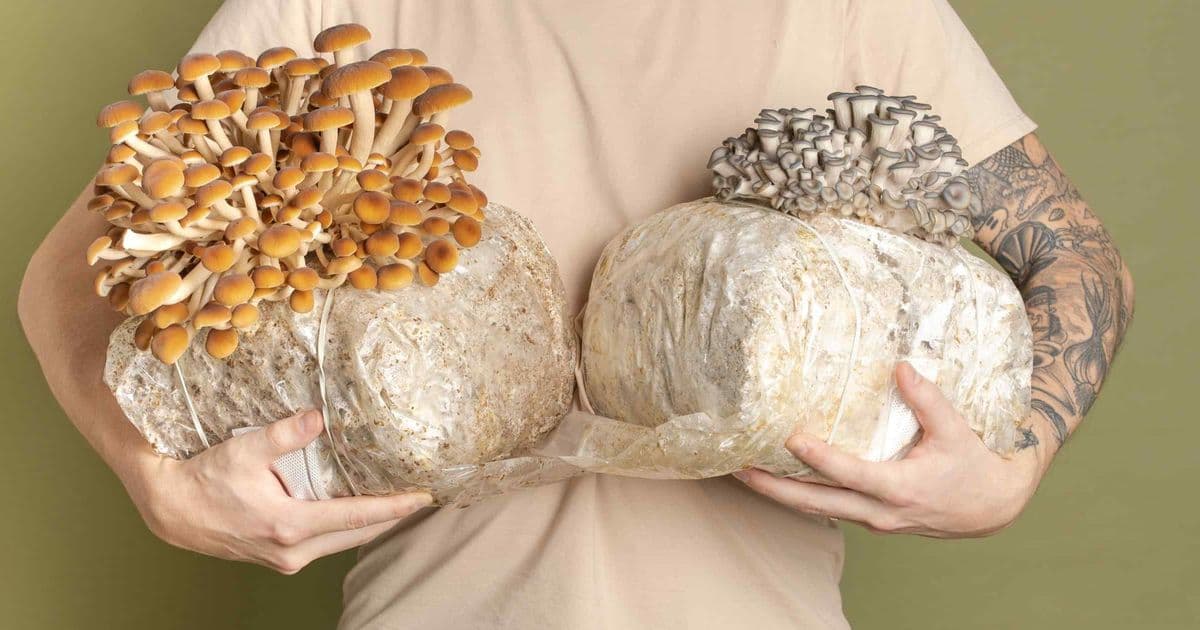
American founders Alex and Sam Turner have turned a warehouse in Bangkok’s On Nut district into one of the world’s first urban farms for premium mushrooms, tapping rising demand for specialty produce, tourism revenue and sustainable protein in Southeast Asia.
Business news
American brothers Alex and Sam Turner have launched Earthling Mushroom Farm, a vertically‑integrated operation that grows gourmet fungi inside a 4,500 sq m warehouse in Bangkok’s densely populated On Nut district. The farm, which opened to the public in March 2026, supplies premium oyster, shiitake and lion’s‑mane mushrooms to high‑end restaurants such as Gaa, Sühring and Le Du. In its first six months the company reported revenue of THB 210 million (≈ US$6.2 million), a 45 % increase over the pilot phase, and has already secured a THB 150 million ($4.4 million) series‑A round led by Thai venture fund 500 TukTuks.
Market context
The Southeast Asian specialty‑produce market is expanding rapidly. Euromonitor estimates the region’s premium mushroom segment will grow at a CAGR of 12 % through 2031, driven by rising disposable incomes, a culinary shift toward plant‑based proteins, and increasing consumer awareness of the health benefits of fungi (beta‑glucans, vitamin D, antioxidants). Thailand alone imports ≈ THB 1.3 billion of mushrooms annually, with 70 % coming from China and the Netherlands. Local production has been limited to small‑scale farms in the north, constrained by climate and land availability.
Urban farming offers a way to bypass those constraints. Earthling’s hydroponic‑substrate system recirculates water, reduces substrate waste by 80 % compared with traditional logs, and cuts the farm’s carbon footprint by an estimated 1.5 t CO₂e per 1,000 kg of mushrooms. The controlled‑environment warehouse also shortens the growth cycle: oyster mushrooms reach market size in 14 days versus the typical 30‑day outdoor cycle.
Tourism adds a second revenue stream. The farm’s “farm‑to‑table” tours attract an average of 350 visitors per week, each paying THB 350 for a guided walk, tasting session and a souvenir mushroom‑infused sauce. This ancillary income contributed ≈ THB 30 million to the first‑year earnings.
What it means
Earthling’s model illustrates how high‑margin niche agriculture can thrive in megacities where land is scarce but demand for specialty food is strong. The startup’s ability to raise a sizable Series A round signals investor confidence that urban‑farm tech—LED lighting, IoT climate controls, AI‑driven substrate optimization—can be scaled profitably.
For the broader Thai food‑service sector, a reliable local source of premium mushrooms reduces dependence on volatile imports and stabilizes menu pricing. Restaurants can now feature mushroom‑centric dishes year‑round without the supply‑chain disruptions that have historically plagued the industry.
Regionally, the success of Earthling may accelerate similar ventures in Jakarta, Manila and Ho Chi Minh City, where urban density and a growing middle class create comparable market conditions. If the company can maintain its 45 % revenue growth while expanding to a second warehouse by 2028, it could capture a 10‑15 % share of Thailand’s premium mushroom market, translating to roughly THB 200 million in annual sales.
Strategically, the startup’s dual focus on B2B supply and consumer tourism diversifies risk and builds brand equity. As sustainability becomes a purchasing criterion for both chefs and diners, Earthling’s low‑impact production method positions it as a preferred partner for eco‑conscious establishments.
Key figures
- First‑six‑months revenue: THB 210 million (US$6.2 million)
- Series‑A funding: THB 150 million (US$4.4 million)
- Visitor count (first 6 months): 9,000, generating THB 30 million in ancillary revenue
- Projected CAGR for premium mushrooms in SE Asia: 12 % (2024‑31)
Strategic implications
- Supply chain resilience – Local production buffers restaurants against import shocks.
- Sustainability credentials – Reduced water and substrate use align with corporate ESG goals.
- Tourism synergy – Farm tours create an additional cash flow and strengthen brand visibility.
- Scalability – Replicable vertical‑farm modules could be rolled out in other dense urban centers.
Earthling Mushroom Farm demonstrates that high‑tech agriculture can find fertile ground even in the most crowded cityscapes, turning a niche culinary ingredient into a scalable, sustainable business.
Comments
Please log in or register to join the discussion