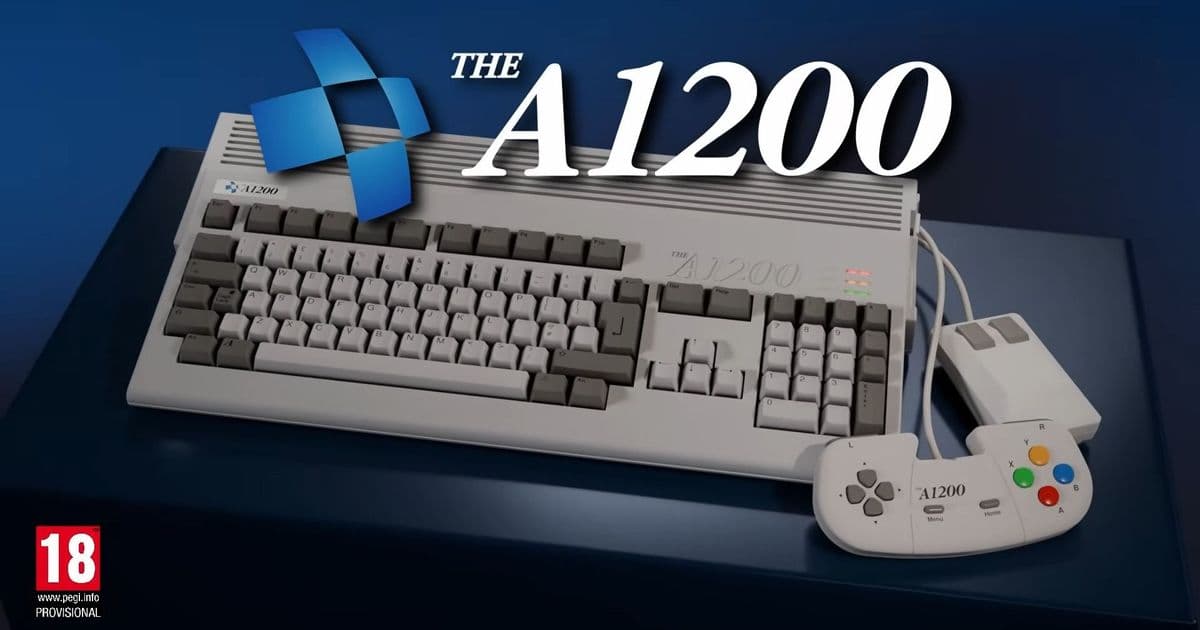
Retro Games Ltd’s Amiga‑emulating TheA1200 has been pushed from June to December 2026, citing worldwide semiconductor shortages and higher plastic costs. The delay highlights how even low‑end ARM SoCs, built on 22‑nm and 28‑nm nodes, are feeling the pressure of AI‑driven demand, and it raises questions about pricing, component sourcing, and the timeline for niche retro‑hardware launches.
Announcement
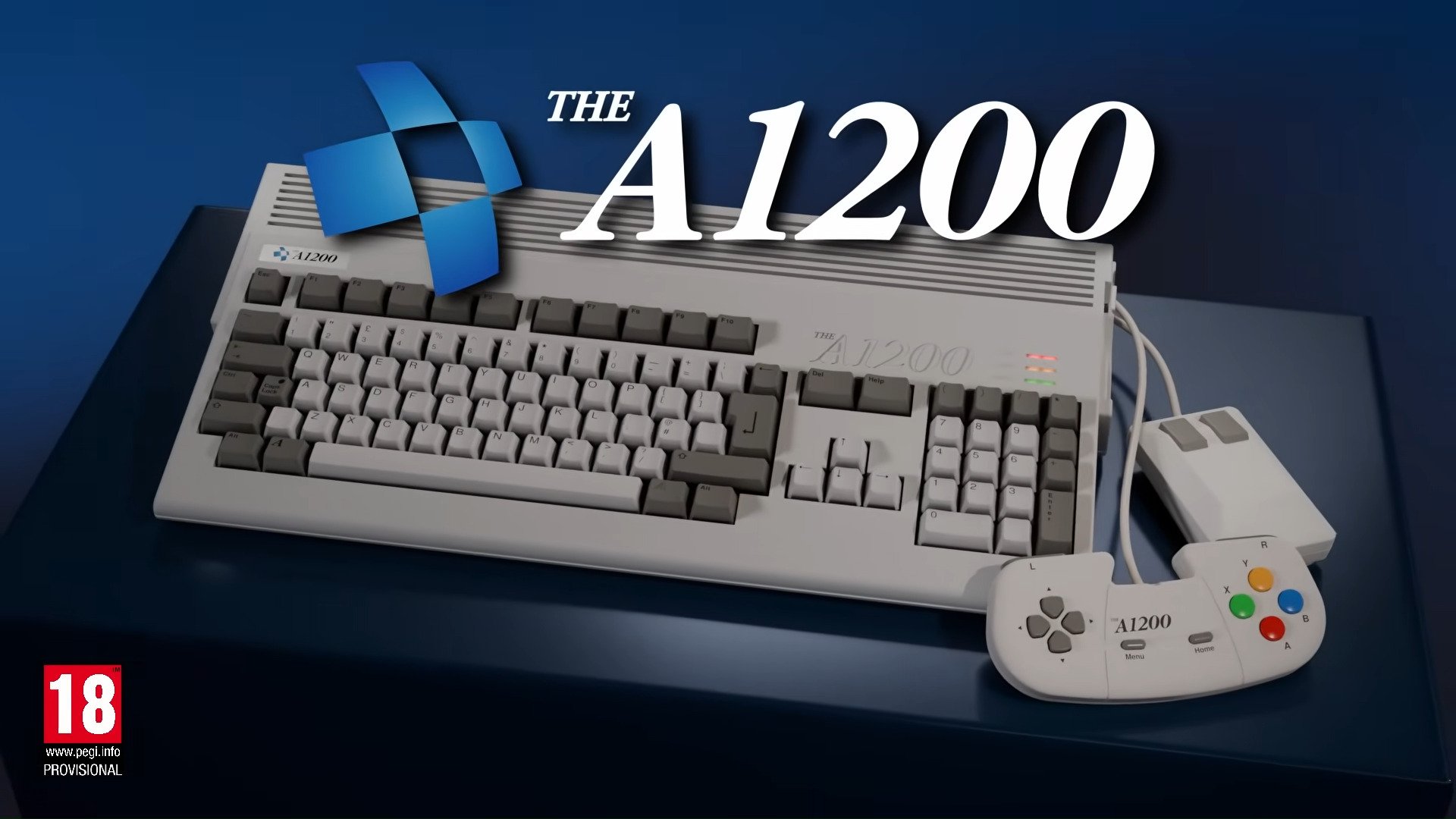
Retro Games Ltd (RGL) announced on Wednesday that the full‑size TheA1200 – a modern recreation of the classic Commodore Amiga 1200 – will not ship until 4 December 2026. The original delivery window of 16 June 2026 has been extended by almost six months. RGL attributes the setback to “global chip shortages and rising plastic production costs,” but confirms that the machine’s specifications and price of US $189.99 will remain unchanged.
Technical specs and the supply‑chain bottleneck
| Component | Expected spec | Typical process node | Current market pressure |
|---|---|---|---|
| SoC (Allwinner/Rockchip) | Quad‑core ARM Cortex‑A53, 1 GHz | 22 nm (FinFET) | AI inference workloads have driven up demand for 22‑nm silicon, squeezing capacity at fabs such as SMIC and GlobalFoundries. |
| RAM | 512 MiB – 1 GiB LPDDR3 | 30 nm | LPDDR3 production is being repurposed for higher‑speed LPDDR4/5 used in smartphones and edge AI devices. |
| Flash storage | 8 GiB eMMC | 28 nm | NAND manufacturers are prioritising automotive and data‑center customers, leaving a tighter supply for consumer‑grade eMMC. |
| PCB & plastic chassis | 2‑layer FR‑4, ABS enclosure | Standard PCB fab; injection molding | Plastic resin prices have risen 12‑15 % YoY due to feedstock shortages, extending lead times for custom enclosures. |
The Amiga 1200 originally shipped with a 14 MHz Motorola 68020 and 2 MiB of DRAM. TheA1200 replaces that architecture with a modern ARM SoC that runs the AmigaOS‑compatible emulator UAE‑4All. While the emulation layer is lightweight, the underlying silicon still relies on process nodes that are now in high demand for AI accelerators and 5G base stations. The 22‑nm node, once considered a workhorse for cost‑sensitive devices, is experiencing a capacity crunch because fab operators have re‑tooled many lines for 14‑nm and below to meet the AI market’s performance targets.
Why the shortage matters for a retro project
- Die cost elasticity – At 22 nm, a typical quad‑core ARM die costs roughly $0.45 per mm² when fab capacity is ample. Current fab utilization rates above 90 % push that figure to $0.60–$0.70, inflating the bill of materials (BOM) for small‑volume runs.
- Lead‑time volatility – Standard 8‑week lead times for 22‑nm SoCs have stretched to 12‑14 weeks, with occasional “allocation windows” that prioritize larger customers.
- Packaging constraints – TheA1200’s design uses a compact QFN‑48 package to fit inside a retro‑styled chassis. Limited QFN‑48 substrate availability adds another delay factor, as many foundries have shifted to BGA‑package lines for higher‑density products.
Market implications
Pricing stability in a volatile environment
RGL’s decision to keep the $189.99 price point signals confidence that the additional component cost can be absorbed elsewhere – likely through tighter margins on the PCB and plastic molding. For comparison, a comparable SBC such as the Raspberry Pi 5 (2 GiB LPDDR4, 4 nm CPU) retails at $99, but includes a higher‑performance SoC and benefits from massive economies of scale. TheA1200’s niche market (estimated 5,000‑10,000 units over the first year) does not afford the same scale, so maintaining price stability is a notable risk‑mitigation move.
Impact on other retro‑hardware projects
The delay serves as a cautionary tale for other small‑batch retro computers that rely on mainstream ARM parts. Projects like the TheA500 Mini (also from RGL) and independent “Atari‑style” kits are likely to encounter similar pressures unless they shift to older, oversupplied nodes (e.g., 40 nm) or adopt open‑source RISC‑V cores that can be fabricated on more flexible multi‑project wafers.
Supply‑chain diversification strategies
Industry analysts suggest three pathways for niche manufacturers:
- Stockpiling critical components – Pre‑ordering larger SoC volumes during off‑peak periods can lock in lower prices and guarantee supply, albeit at the cost of higher upfront capital.
- Alternative fab partners – Engaging with foundries in regions less affected by AI demand (e.g., certain Korean or Taiwanese fabs that still run 28‑nm lines) can reduce lead‑time risk.
- Modular design – Designing the enclosure to accept multiple SoC families (e.g., both Allwinner and Rockchip variants) gives the bill‑of‑materials team flexibility to source whichever chip is available.
Outlook
TheA1200’s revised launch date places it squarely in the holiday shopping window, which may help RGL recoup any margin erosion caused by the supply shock. However, the episode underscores how even low‑end, retro‑oriented hardware is now subject to the same macro‑level semiconductor dynamics that drive smartphone and data‑center pricing.
For consumers, the key takeaway is that pre‑order commitments remain valid and the advertised price will not change, but delivery timelines for niche electronics will increasingly reflect the health of the broader chip ecosystem. As AI workloads continue to dominate fab capacity, manufacturers of hobbyist and retro platforms will need to adopt more resilient supply‑chain practices or risk further postponements.
For the full FAQ from Retro Games Ltd and the latest pre‑order page, see the official TheA1200 product listing.
Comments
Please log in or register to join the discussion