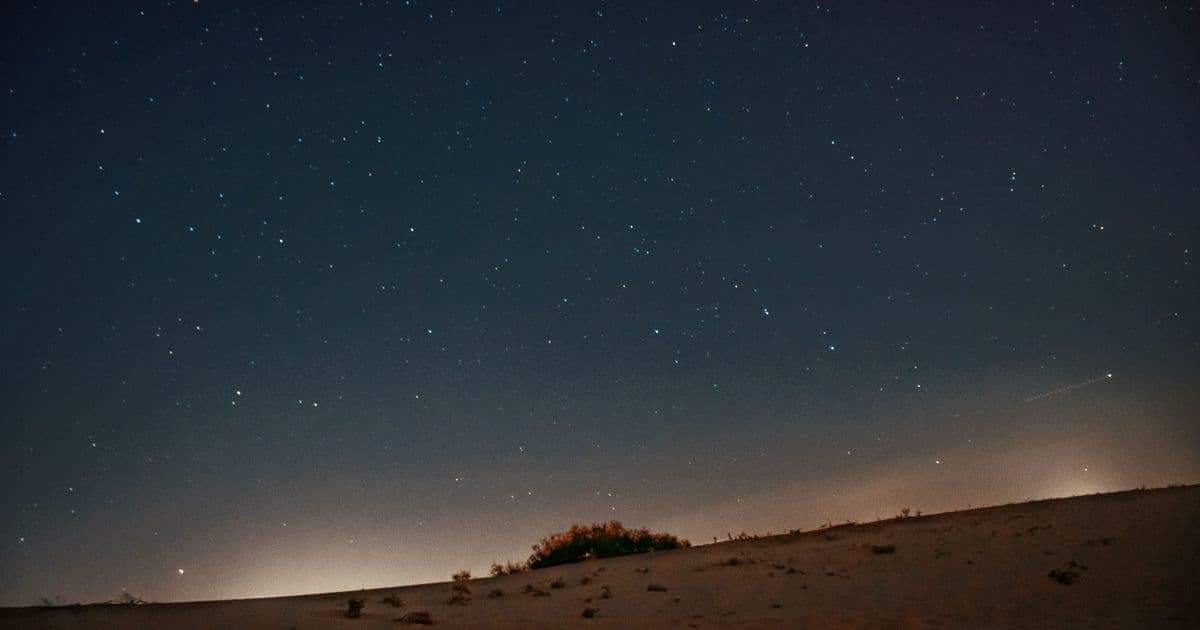
A wandering look at America’s quirky roadside attractions, from giant novelty structures to the mysterious Marfa Lights, and how these oddities reflect the restless imagination of travelers and the desert’s quiet allure.
Roadside Attraction – The Offing
In the 1920s the automobile became cheap enough for families to drive for pleasure. Suddenly the open road stretched for miles, and boredom turned into a market for the absurd. Entrepreneurs erected restaurants shaped like hats, water towers that resembled teacups, and souvenir shops built into the belly of a dinosaur. The result was a landscape of surreal pit stops that still pepper the highways today.
The “World’s Largest” Category
If you ever need a reason to stop, look for the world’s biggest version of something: a chair, a duck, a teapot, a ball of twine, or a ball of stamps. A friend recently sent me a photo of herself with my personal favorite, The Biggest Pistachio in Alamogordo, New Mexico. The caption read, “Found you on the road, a big nut.” These oversized novelties are cheap thrills, but they also speak to a deeper desire to mark a place as visited.
Paranormal and Illusory Stops
Beyond the kitsch, a few attractions aim for the uncanny. The Mystery Spot near Santa Cruz, California, tilts the world so that a house appears to defy gravity. In Arizona, a series of billboards along I‑10 point drivers toward The Thing?, a tiny museum that claims to house a dusty extraterrestrial body.
The Marfa Lights Viewing Center – A Desert Rorschach
Not every roadside oddity fits neatly into a category. The Marfa Lights Viewing Center in West Texas is a low‑profile concrete platform surrounded by short red‑rock walls, its only obvious feature a cylindrical structure that houses the bathrooms. A slatted roof shades a deck where a few metal binoculars stand on tall poles, aimed at the flat, brush‑strewn expanse known as Mitchell Flat.
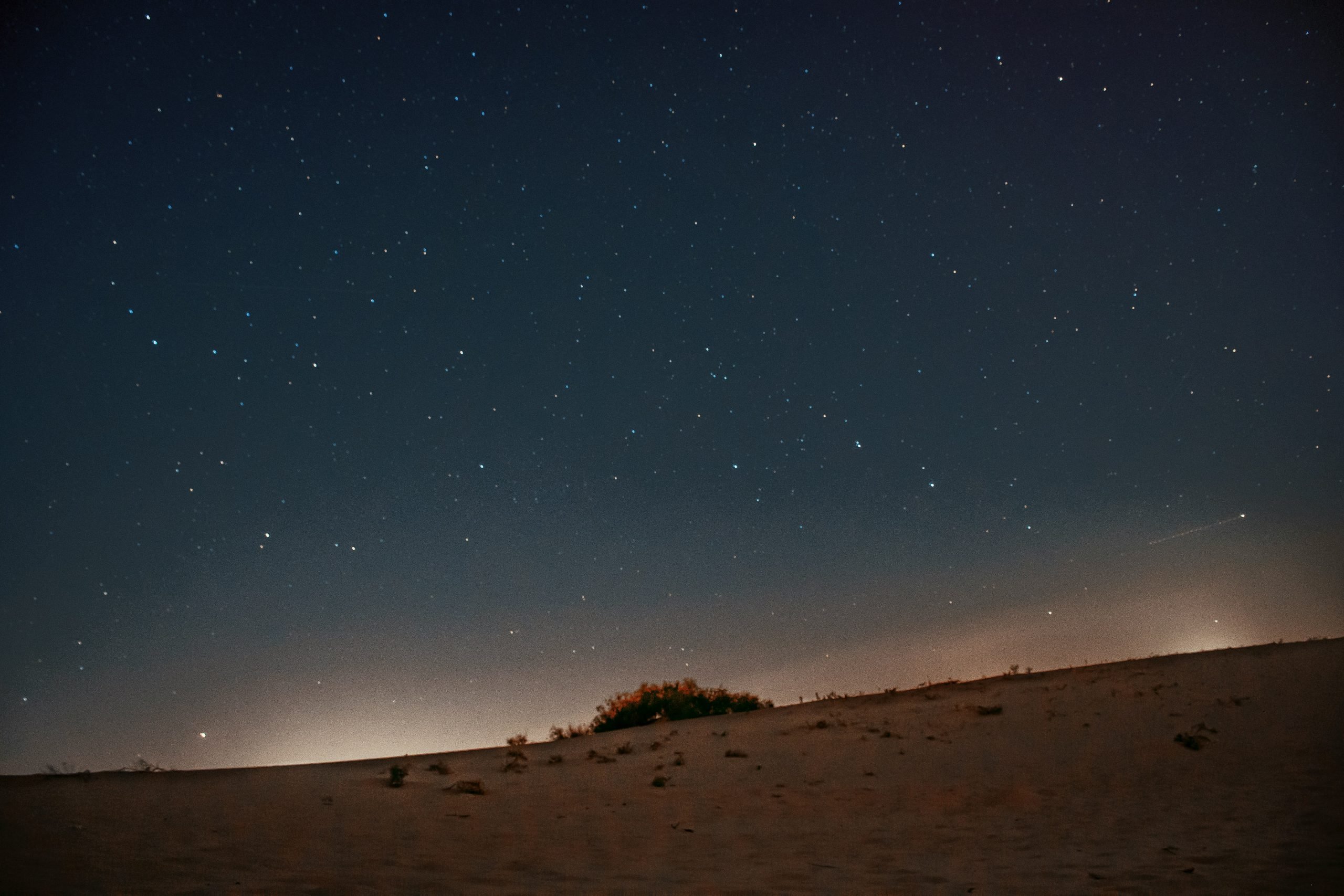
From this unassuming spot visitors hope to catch a glimpse of the Marfa Lights—or “ghost lights,” as locals sometimes call them. Described as basketball‑sized orbs that flicker in white, blue, yellow, or red, the lights have been reported since 1883, when a cowhand named Robert Reed Ellison thought he saw an Apache campfire far off the trail. Over the decades the lights have accumulated myth: Apache spirits, remnants of secret atomic tests, portals to another dimension.
A Student‑Built Monument
The viewing center began as a simple plaque. An eighth‑grade class petitioned a congressman, arguing that any structure should blend into the native rangeland and not distract from the highlands. Their proposal was accepted, and the modest platform was erected. Decades later the same students returned with traffic‑monitoring equipment, video cameras, and chase cars. Their analysis concluded the lights were merely distant vehicle headlights. The scientific explanation never stopped the folklore, however; most visitors still prefer the mystery.
The Desert as a Stage
Standing on the deck feels like being on a stage set against an empty backdrop. The fluorescent bathroom lights are always on, the binoculars never rust, and a faded poster reading “The M in Marfa stands for mystery” clings stubbornly to a wall. The center’s austerity mirrors the desert itself: what looks like nothing is actually something.
The Human Stories Around the Lights
The Marfa Lights have become a backdrop for countless personal moments. One night, a ranch hand named Paul held the author’s hand on the deck, their first kiss unfolding under the fluorescent glow. In another encounter, a botanist named Dan spent ten minutes examining a goldenrod before the two of them left the site empty‑handed.
Even when the lights fail to appear, the experience of waiting—of watching cars pass, hearing distant planes, feeling the desert wind—creates a shared ritual. A BBC documentary recently featured a local historian who summed it up: “I believe they are there, or I believe something is there.” The lights, whether atmospheric phenomena, car headlights, or pure imagination, act as a mirror for the observer’s beliefs.
Why These Attractions Matter
Roadside oddities are more than cheap photo ops. They are markers of a cultural moment when the road opened up new leisure possibilities. They also reveal how travelers negotiate emptiness: by filling it with novelty, myth, or romance. The Marfa Lights Viewing Center, in particular, shows how a minimalist structure can become a pilgrimage site, turning a stretch of desert into a place of contemplation.
The Bigger Picture
From giant pistachios to mysterious lights, America’s roadside attractions illustrate a tension between the engineered and the natural. Roads are lined with bathrooms and souvenir shops to make the wilderness feel owned, yet the desert still offers spots that resist naming—a lone oak, a broken fence, a quiet hill where a couple once made love. Those unnamed places, like the Marfa Lights themselves, remind us that the landscape is ultimately not ours.
Zoe Kurland is a writer and audio documentarian based in Marfa, Texas.
Comments
Please log in or register to join the discussion