
As power outages rise and off-grid adventures grow, portable power stations are essential tech. After rigorous testing of over 100 units, we identify the top performers for emergencies, camping, drones, and whole-home backup—revealing which deliver on capacity, durability, and innovation.
By Adrian Kingsley-Hughes | Senior Contributing Editor, ZDNET
September 3, 2025 3:00 AM PDT
For developers, engineers, and outdoor tech enthusiasts, reliable power isn't a luxury—it's a necessity. Whether facing increasing summer blackouts, powering a remote worksite, charging drone batteries in the field, or embracing off-grid living, portable power stations have evolved from niche gadgets into critical infrastructure. Unlike noisy, fume-spewing gas generators, these lithium-based systems offer silent, maintenance-free operation with zero emissions, making them safe for indoor use and environmentally conscious. After personally testing more than 100 units under real-world conditions—from desert dust storms to week-long camping trips—I've identified the standout performers that balance capacity, portability, and resilience.
The Evolution of Portable Power: Beyond the Spec Sheet
Portable power stations leverage Lithium Iron Phosphate (LiFePO4) chemistry for superior safety and longevity—often exceeding 6,000 charge cycles (15+ years of daily use). Key differentiators include:
- Modularity: Systems like the Jackery Solar Generator Kit 4000 ($2,999, down 40%) support expansion batteries, scaling from 2kWh to 4kWh for extended outages.
- Ruggedization: IP65-rated units (e.g., Bluetti AC60P) withstand dust, water, and drops—critical for field engineers.
- Fast Charging: EcoFlow’s Delta 3 Plus hits 80% capacity in 40 minutes via AC, enabling rapid turnaround.
- Specialization: DJI’s Power 1000 ($1,099) features dedicated SDC ports for rapid drone battery swaps, slashing downtime for aerial photographers.
Top Picks: Engineered for Real-World Demands
Jackery Solar Generator Kit 4000 | Best Overall
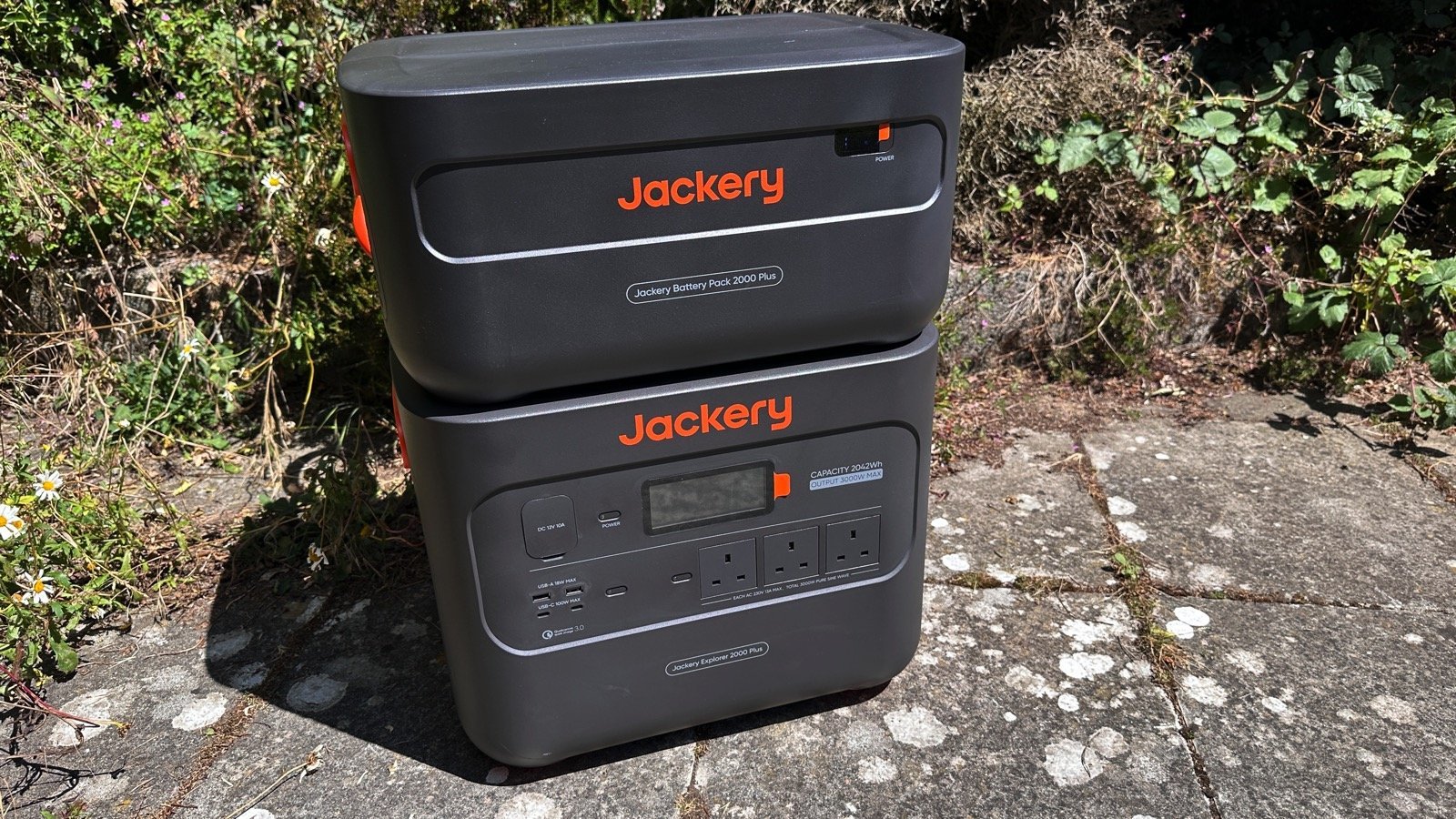
Capacity: 4,085.6Wh | Output: 3,000W (6,000W surge) | Weight: 61.5 lbs
Why it leads: Jackery’s decade of refinement shows. This modular beast powered my off-grid office for two weeks via solar. Its wheeled design handles weight, while the LCD offers clear diagnostics. Perfect For: Whole-home backup, extended expeditions."This system is highly modular... scalable to an array that can power your home for two weeks." – ZDNET Testing Notes
Pros: Massive expandable capacity, efficient solar input, intuitive interface
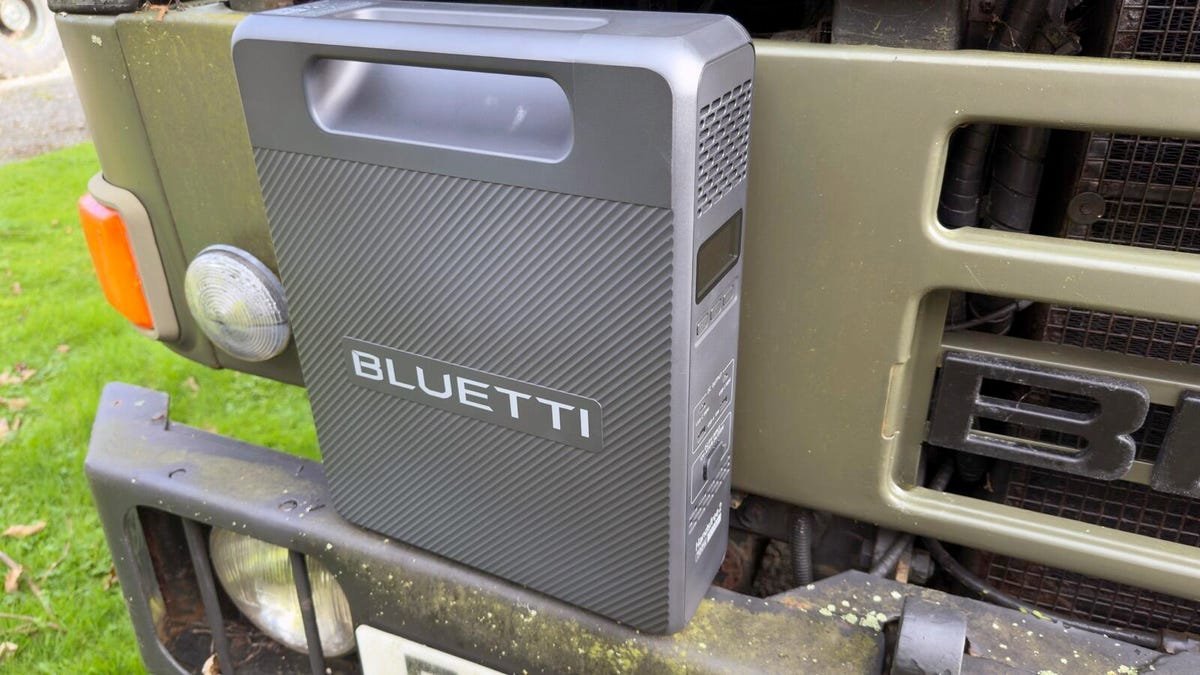
Cons: High cost, significant footprintBluetti Elite 200 V2 | Best for Base Camp & Emergencies
Capacity: 2,073.6Wh | Output: 2,600W (3,900W surge) | Weight: 54 lbs
Why it shines: Built with automotive-grade LiFePO4 cells rated for 6,000 cycles (~17 years). Powered satellite internet, laptops, and a mini-fridge simultaneously during a 72-hour remote test. Handles resistive loads like kettles effortlessly.
Pros: Extreme longevity, robust 3,900W surge, rapid 90-minute recharge
Cons: Heavy for backpackingDJI Power 1000 | Best for Drone Pilots
Capacity: 1,024Wh | Output: 2,200W | Weight: 28.5 lbs
Why specialists choose it: SDC ports (with optional cables) charge DJI drone batteries 30% faster than generic USB-C. Its milled aluminum chassis survived repeated field abuse. Ideal For: Cinematographers, survey teams."Within moments... its solid construction stood out." – ZDNET Field Test
Pros: Drone-optimized charging, rugged build, simple controls
Cons: Accessory cables sold separatelyBluetti AC60P | Best for Harsh Environments
Capacity: 504Wh | Output: 600W (1,200W surge) | Weight: 20.1 lbs | IP65 Rated
The durability champion: Survived being left outdoors in winter rainstorms and dust-filled worksites. Wireless charging and a built-in light add utility. Use Case: Construction sites, wet/dusty expeditions.
Pros: IP65 protection, compact, 5-year warranty
Cons: Limited output for high-wattage appliances
Key Technical Considerations for Developers
- Battery Chemistry: LiFePO4 > Li-ion for thermal stability and cycle life.
- Efficiency Loss: Calculate runtime as
(Capacity in Wh × 0.85) / Device Wattage. - Safety Testing: Units underwent overload and thermal stress tests; prioritize UL/CE certifications.
- Solar Synergy: Look for MPPT controllers for optimal solar input (e.g., Jackery’s 40% efficient panels).
The Bigger Picture: Shifting Energy Infrastructure
Portable stations aren’t just backups—they’re gateways to decentralized energy. With 40% of tested units now supporting solar expansion and smart app integration (like Anker’s Solix ecosystem), they enable developers to build resilient, off-grid workflows. While gas generators still dominate prolonged high-wattage needs, the silence, zero-maintenance, and eco-profile of LiFePO4 stations make them the future for tech-powered mobility. As climate volatility increases, investing in these systems isn’t just practical; it’s a strategic layer of resilience for any tech professional.
Source: ZDNET Testing Labs, Adrian Kingsley-Hughes (September 2025)
| Model | Capacity (Wh) | Max Output (W) | Weight (lbs) | Key Tech | Price |
|---|---|---|---|---|---|
| Jackery 4000 | 4,085 | 6,000 surge | 61.5 | Modular, 10 ports | $2,999 |
| Bluetti Elite 200 V2 | 2,073 | 3,900 surge | 54 | LiFePO4 (6k cycles) | $1,799 |
| EcoFlow Delta 3 Plus | 1,024 | 3,600 surge | 27.6 | 56-min AC charge | $999 |
| DJI Power 1000 | 1,024 | 2,200 | 28.5 | Drone SDC ports | $1,099 |
| Bluetti AC60P | 504 | 1,200 surge | 20.1 | IP65, wireless charge | $499 |
Comments
Please log in or register to join the discussion