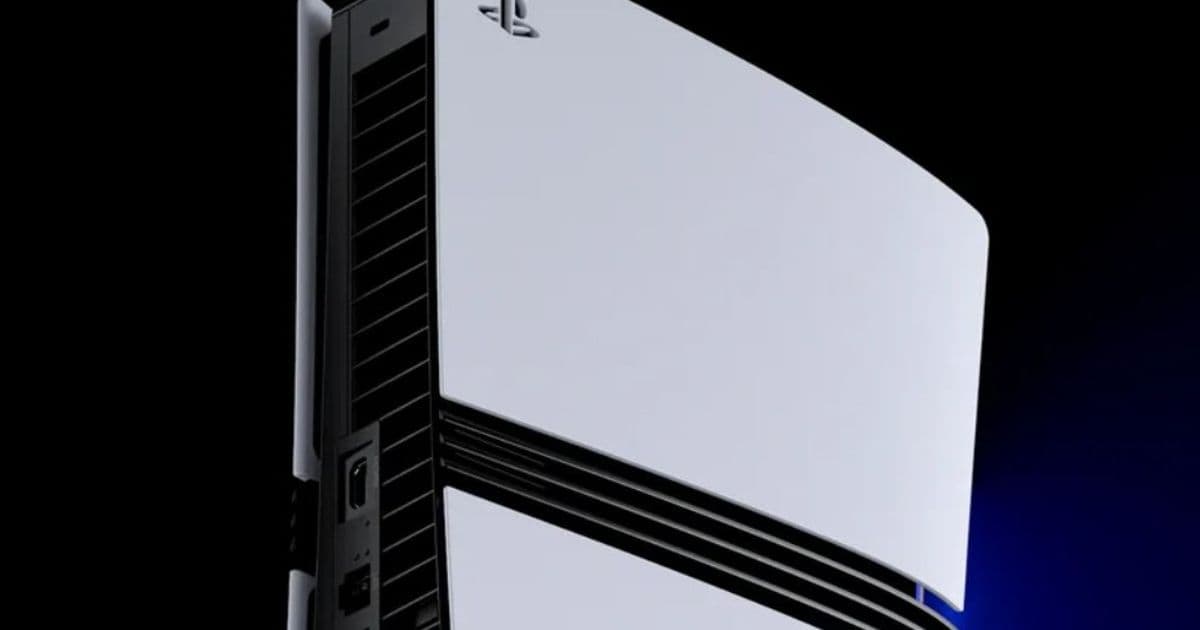

Sony's PS5 Pro runs an INT8 version of AMD's FSR 4 upscaling technology called PSSR 2.0, while PC users with older RDNA 2/3 GPUs are being excluded from the feature.
A major controversy has erupted in the PC gaming community after AMD accidentally leaked FSR 4 libraries that revealed the company is using an INT8 version of its upscaling technology on the PlayStation 5 Pro, while simultaneously refusing to bring this lighter version to PC users with older RDNA 2 and RDNA 3 GPUs.
The Accidental Leak That Changed Everything
AMD made a significant misstep when it inadvertently uploaded the entire FSR 4 libraries and source code to its GitHub repository through the AMD OpenGPU Project. While the company quickly took the files offline, modders had already downloaded them and discovered something surprising: an INT8 version of FSR 4 that could run on older RDNA 2 and RDNA 3 GPUs.
This lighter build of FSR 4 was specifically designed to work on the hardware limitations of older graphics cards, yet AMD has no current plans to release it for the Radeon RX 6000 and RX 7000 series that millions of PC gamers own.
PlayStation 5 Pro Gets Exclusive Access
The most controversial revelation is that Sony's PS5 Pro is already running this INT8 version of FSR 4 under the name "PSSR 2.0" or "upgraded PSSR." This was confirmed when Sony rolled out the new upscaling technology in Resident Evil: Requiem.
In a recent interview with Digital Foundry, PlayStation lead system architect Mark Cerny explained the technical relationship between FSR 4 and PSSR 2.0. He stated that "FSR Redstone and the new PSSR have somewhat different implementations due to the underlying hardware, e.g., FSR Upscaling uses 8-bit floating point, and PSSR uses 8-bit integer."
Cerny further clarified that while the core technology remains the same, the training process differs to suit each platform. He noted that "the same model is used, but it's trained on different data" and that "not seeing too much difference in the results, the various flavors in the updated FSR Upscaling really are rather close to the new PSSR."
PC Modders Take Matters Into Their Own Hands
Before AMD could remove the leaked files, enterprising modders had already pulled the libraries and begun patching games to bring the INT8 FSR 4 build to Radeon RX 6000 and RX 7000 series GPUs. This grassroots effort demonstrates the strong demand from PC users who feel left behind by AMD's decision.
What This Means for PC Gamers
The situation creates a frustrating scenario for PC gamers. While console players on PS5 Pro get access to the lighter INT8 version of FSR 4, PC users with perfectly capable RDNA 2 and RDNA 3 hardware are being told they need to purchase new RX 9000 series GPUs to get official FSR 4 support.
AMD has remained silent on the controversy, and there's no indication the company plans to change course. This strategy appears designed to push gamers toward the latest hardware, but it risks alienating the existing user base that has supported AMD's graphics card business.
The Technology Behind the Controversy
FSR 4, or FSR Redstone, was initially positioned as AMD's next-generation upscaling solution specifically designed for RDNA 4 GPUs in the Radeon RX 9000 series. The discovery of the INT8 version suggests AMD had the capability to support older hardware all along but chose a different business strategy.
For PS5 Pro users, the PSSR 2.0 technology represents a significant upgrade in visual quality and performance. The 8-bit integer implementation is optimized for the console's specific hardware architecture, potentially offering better integration than the PC version would provide.
Looking Forward
As modders continue to work on unofficial ports of the INT8 FSR 4 build, the pressure mounts on AMD to reconsider its position. The company faces a difficult choice between maintaining its current strategy to drive new hardware sales or supporting its existing user base with a lighter version of its latest technology.
The controversy highlights the growing tension between console and PC gaming ecosystems, where console manufacturers can secure exclusive access to technologies that PC users must either wait for or implement through unofficial means.
The situation remains fluid, and PC gaming communities are watching closely to see if AMD will respond to the backlash or continue with its current approach of limiting FSR 4 to RDNA 4 hardware only.
Comments
Please log in or register to join the discussion