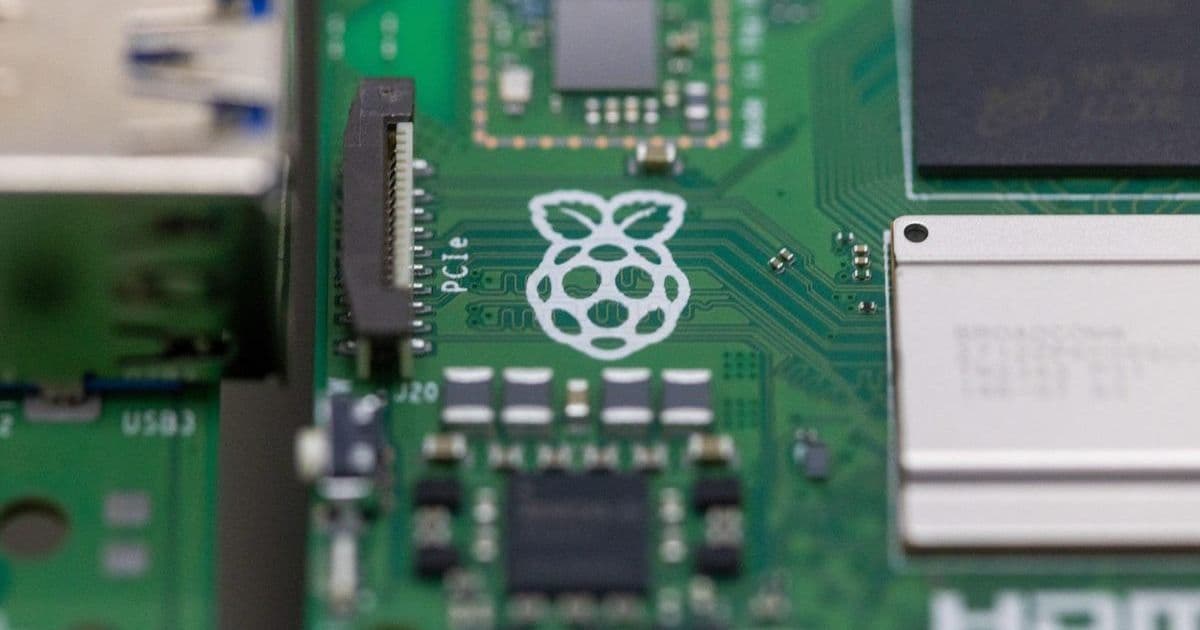
Qualcomm has acquired open-source hardware pioneer Arduino, launching the UNO Q SBC to challenge Raspberry Pi's dominance. This seismic shift leverages Qualcomm's chip expertise against Raspberry Pi's community stronghold, reshaping the DIY electronics landscape. Developers gain a powerhouse new option, but the move signals intensified competition that could accelerate innovation across embedded systems.
Qualcomm's Bold Gambit: Arduino Joins the Fold
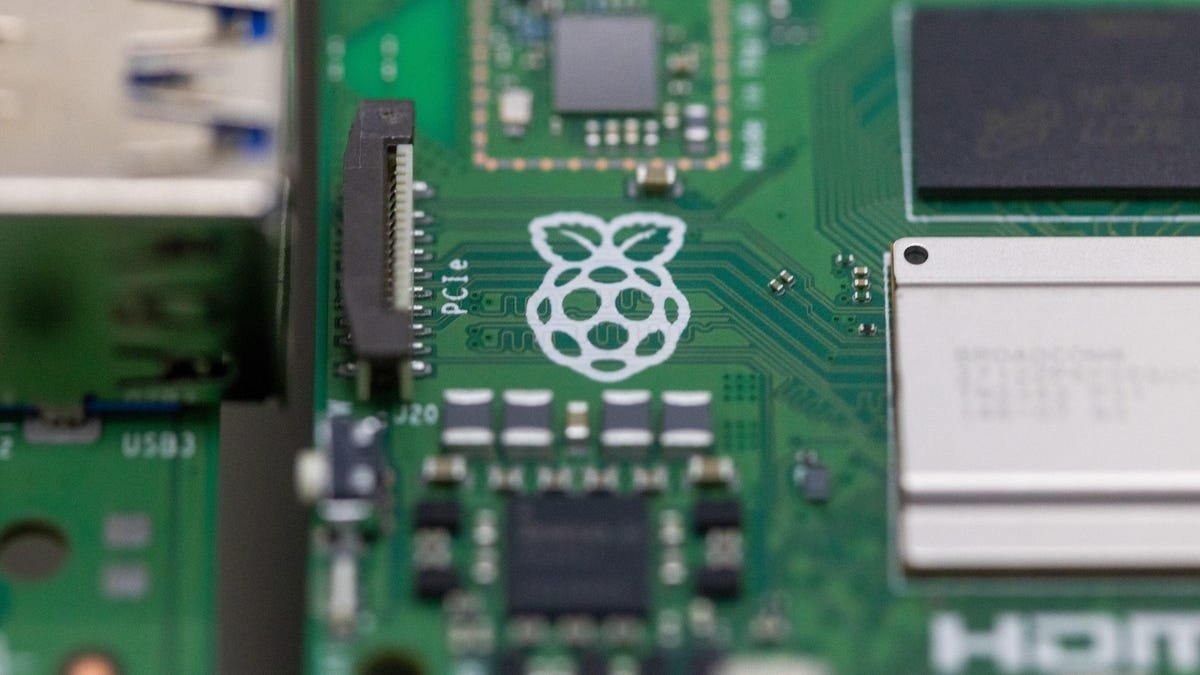
In a strategic shakeup for the maker community, semiconductor titan Qualcomm announced its acquisition of Arduino, the Italian open-source hardware and software company beloved by hobbyists and industrial designers alike. Simultaneously, Arduino unveiled the UNO Q, a new single-board computer (SBC) powered by Qualcomm silicon, priced at $44. This dual move positions Qualcomm—a $42.8 billion behemoth—to directly challenge Raspberry Pi's stronghold in the SBC market, where the latter has enjoyed relatively unchallenged dominance with its $346.5 million revenue stream.
The Deal and Its Developer-Centric Promise
Qualcomm emphasized that Arduino will retain its brand, open-source ethos, and operational independence—a crucial reassurance to its 33 million-strong user base. The acquisition aims to fuse Arduino's accessible development environment with Qualcomm's advanced technology stack, promising "a clear path to commercialization" for projects. As Qualcomm stated, this partnership will "supercharge developer productivity across industries" while preserving Arduino's community spirit. For engineers and tinkerers, this translates to potentially broader access to cutting-edge wireless and processing capabilities previously siloed in high-end devices.
Inside the UNO Q: A Technical Powerhouse
The newly launched UNO Q isn't just a rebranded board; it's a significant leap in capability. At its core lies the Qualcomm Dragonwing QRB2210 chip, featuring:
- A quad-core Kryo CPU clocked up to 2.0 GHz
- An Adreno 702 GPU running at 845 MHz
- 2GB of LPDDR4 RAM and 16GB eMMC storage
- Wi-Fi 5 and Bluetooth 5.1 connectivity
Hardware expandability includes 47 digital I/O pins, six analog inputs, and an integrated 8x13 programmable LED matrix. This spec sheet positions the UNO Q as a formidable rival to Raspberry Pi's latest offerings, particularly for AI-edge applications or IoT prototypes demanding robust wireless integration.
The Raspberry Pi Ripple Effect
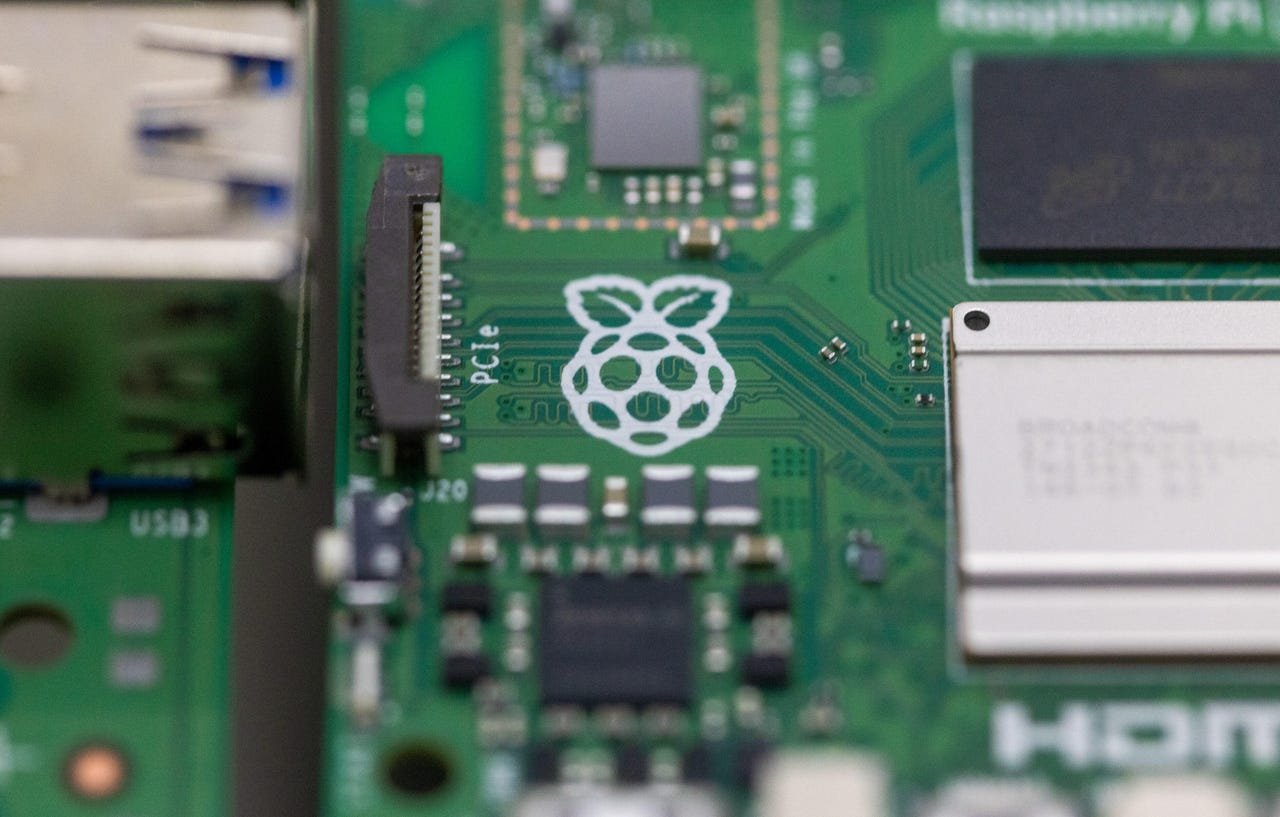 Chris Ratcliffe/Bloomberg via Getty Images
While Arduino previously competed with Raspberry Pi through boards like the UNO R4, Qualcomm's backing changes the game. Raspberry Pi's success has hinged on affordability, a massive educational ecosystem, and relentless innovation—but it now faces a competitor with unparalleled scale in chip design and global distribution. Industry analysts note that Qualcomm's resources could accelerate performance gains and cost reductions in future Arduino boards, pressuring Raspberry Pi to double down on its community-first approach. As one developer commented anonymously, "This could mean cheaper, more powerful boards for all of us—but only if the open-source commitment holds."
Why This Matters Beyond the Bench
For developers, this acquisition isn't just about new hardware; it's a potential paradigm shift. Qualcomm's entry validates the SBC market's maturity and could spur advancements in real-time processing and connectivity for industrial automation, smart agriculture, and robotics. However, risks linger—over-commercialization might alienate Arduino's DIY roots, and Raspberry Pi must now navigate a landscape where its underdog status is challenged by a Goliath. The UNO Q's pre-orders via DigiKey will be an early indicator of market appetite, but the true victor will be the developer community, poised to gain from this intensified innovation arms race.
Source: ZDNET
Comments
Please log in or register to join the discussion