With key metal reserves dwindling, demand soaring from green tech, and production emissions skyrocketing, a materials crisis threatens global infrastructure. Researchers propose five urgent tech strategies—from nanoscale alloy engineering to AI-powered circular systems—to secure sustainable metal supplies critical for computing, energy, and transportation.

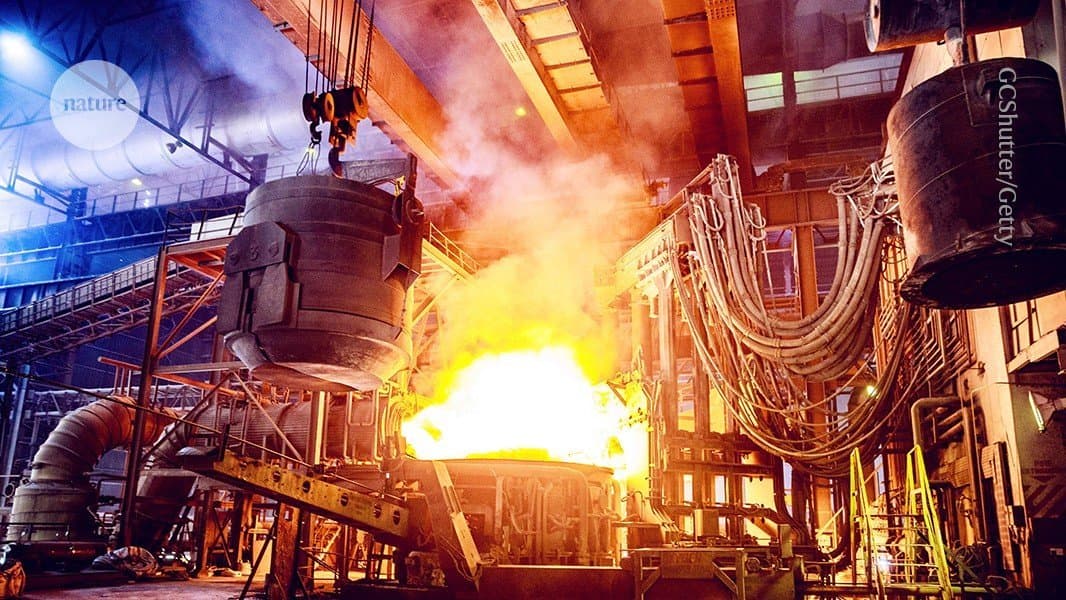
Scrap metal is poured into a furnace at a steel factory in Lusaka City, Zambia. Credit: GCShutter/Getty
Metals form the invisible backbone of modern technology—from lithium in EV batteries and rare earths in motors to copper in chips and steel in data centers. Yet this foundation is cracking under three converging pressures: dwindling reserves, exponential demand growth, and unsustainable emissions. Current extraction rates will exhaust known copper, nickel, and chromium reserves within decades, while steel production alone emits 3.6 billion tonnes of CO₂ annually—triple aviation's footprint.

Sources: Reserves: ref. 1; Demand: ref. 2; Emissions: World Steel Association
Materials scientists propose five integrated tech solutions to avert crisis:
1. Atomic-Scale Substitution
Micro-alloying slashes material needs through precision chemistry. Adding just 0.03% niobium to structural steel increases strength by 20%, reducing total material use and emissions. Similar breakthroughs include:
- Iron nitride magnets replacing rare-earth-dependent designs
- Sodium-ion and thermal batteries displacing lithium
"Certifying low-emission materials must become as routine as ISO standards," researchers argue, urging policy reforms and curriculum updates.
2. Clean Production Tech
Legacy smelting emits toxic fluorides and SO₂. Emerging solutions include:
- Top gas recycling blast furnaces capturing CO₂ for reuse
- Bioleaching microbes extracting metals from low-grade ores and e-waste
- Hydrometallurgy bypassing energy-intensive smelting Despite proven efficacy, adoption lags due to costs. Incentives like carbon pricing and green investment grants—mirroring solar's success—are critical.
3. Radical Circularity
Designing for disassembly and scaling urban mining are non-negotiables. While steel and aluminum see 60-90% recycling rates, nickel and cobalt languish below 20%. Tech enablers:
- AI-powered sorting systems for complex e-waste streams
- Robotic disassembly lines recovering high-purity metals
- Additive manufacturing cutting material waste by 70% vs. machining Apple and Dell lead with certified refurbishment programs, but EU-style ecodesign mandates must globalize.
4. Supply Chain Resilience
Geopolitical fragility threatens tech manufacturing. Solutions demand:
- AI-driven mineral forecasting identifying alternative sources
- Blockchain material tracing from mine to product
- Modular production allowing rapid resource pivoting Japan’s national circular economy strategy exemplifies systemic action, recovering metals from 15 million annual appliances.
5. Policy-Accelerated Transition
Technology alone is insufficient. Researchers call for:
- Carbon-adjusted tariffs favoring low-emission metals
- Critical mineral stockpiles for tech supply chain stability
- Global recycling standards enabling cross-border material flows
The Bottom Line: Tech’s future hinges on reinventing our relationship with metals. As processors demand rarer alloys and green tech escalates material needs, the industry must champion these strategies—or face resource-driven disruption. The solutions exist; scaling them requires viewing materials not as commodities, but as strategic infrastructure.
Source: Nature
Comments
Please log in or register to join the discussion