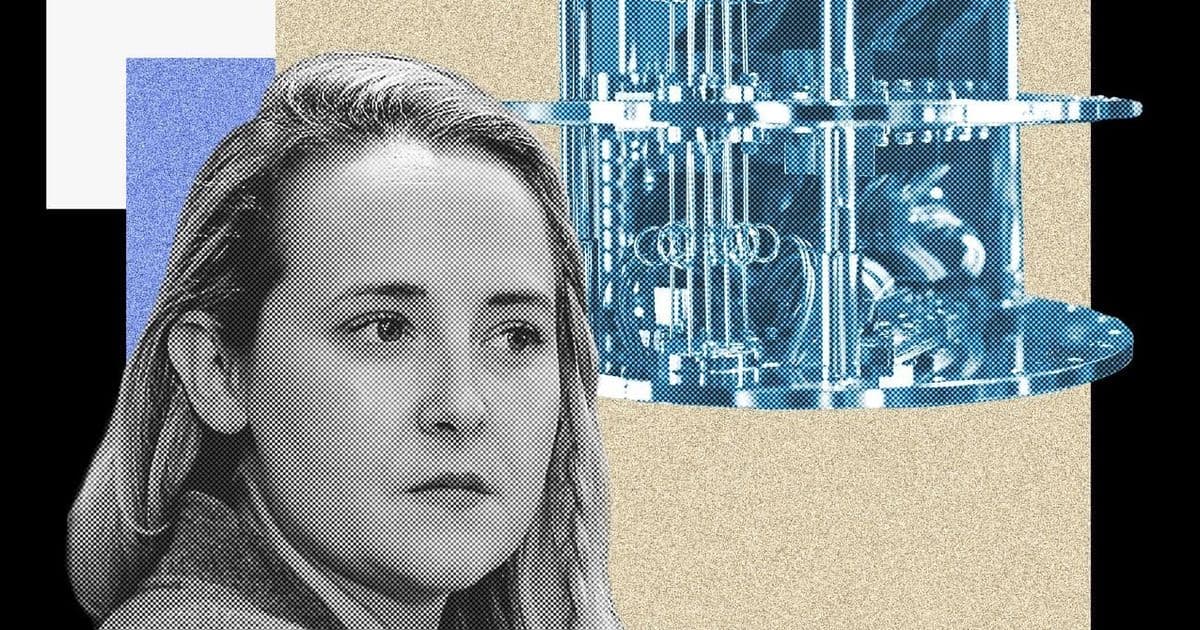
Venture capitalist Alexa von Tobel reveals why her firm Inspired Capital is betting on quantum computing's transformative potential despite massive risks. She argues quantum could unlock scientific breakthroughs surpassing current AI capabilities—if hardware pioneers like Logiqal succeed.
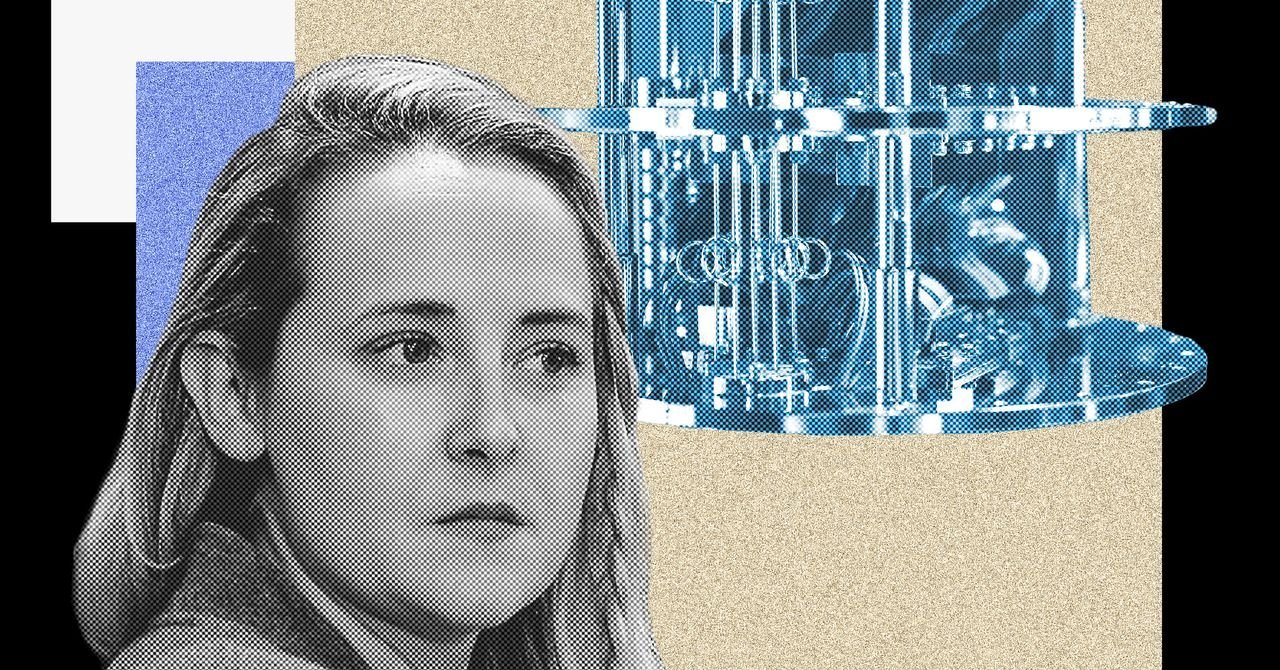
Alexa von Tobel knows her quantum computing gamble might fail. "The risk of being too early is a real risk," the Inspired Capital cofounder admits. Yet she’s pouring resources into what she calls the "next innovation curve" after artificial intelligence. In an exclusive interview with WIRED, the venture capitalist—whose firm manages nearly $1 billion—detailed why quantum computing could revolutionize everything from drug discovery to interplanetary travel, even if success remains uncertain.
The Quantum Horizon After AI Dominance
Von Tobel’s quantum epiphany followed a deep dive into AI alongside cofounder Penny Pritzker (former U.S. Commerce Secretary and Microsoft board member). "After ChatGPT, I asked: What's next?" she explains. Quantum computing emerged as the answer—a field so specialized that "there are only hundreds of true experts worldwide." Unlike AI’s crowded landscape, quantum’s scarcity of elite talent creates unique investment opportunities for those willing to navigate its complexity.
Her firm’s conclusion? Hardware must come first. "We need to successfully build tens of thousands of reliable qubits before anything else," von Tobel emphasizes. This led Inspired Capital to back Logiqal, a Princeton spinout founded by physics professor Jeffrey Thompson. The startup’s approach uses neutral atoms (specifically ytterbium) and a technique called erasure conversion—one of several competing methods to achieve scalable quantum processing.
The 500x Payoff Scenario
Quantum computing’s promise hinges on convexity: high failure probability balanced by monumental upside. "If quantum computers succeed, they’ll become computational engines for material science, pharmaceuticals, and logistics in ways we’ve never seen," von Tobel predicts. She envisions pharmaceuticals extending human lifespan by decades, new materials enabling Mars colonization, and optimized financial markets—outcomes often associated with theoretical artificial general intelligence (AGI).
"It’s a real earth-moving innovation. You unlock thinking engines that can run the future." —Alexa von Tobel
AI Lessons for Quantum’s Ascent
Today’s quantum landscape mirrors AI’s early days: "Lots of research, but starting to have practical applications," observes von Tobel. Yet she distinguishes quantum’s deep technical barriers from AI’s accessibility. "You can’t fake being a quantum expert," she notes, contrasting it with AI’s influx of self-proclaimed specialists.
Her AI investment strategy focuses on defensible moats, warning that "brand and speed are rarely strong enough" against giants like Google and Microsoft. She cites portfolio company BrightAI—which places monitoring sensors on infrastructure—as a model: "You’re not ripping all those stickers off." Meanwhile, von Tobel personally uses AI "dozens of times daily," replacing search engines for tasks from market research to deep analysis.
The Long Game
While current quantum systems remain experimental (even 100,000-qubit machines would fall short of "perfect" quantum computation), von Tobel’s bet recognizes that foundational shifts demand patience. As AI reshapes computational infrastructure, it paradoxically accelerates quantum’s feasibility. For developers and investors alike, her stance underscores a truth: The biggest leaps begin where others fear timing the market.
Source: Interview with Alexa von Tobel, cofounder of Inspired Capital, originally published in WIRED.
Comments
Please log in or register to join the discussion